BİZ Collective Women’s Cooperative — A Story of Collective Healing, Design, and Cultural Continuity
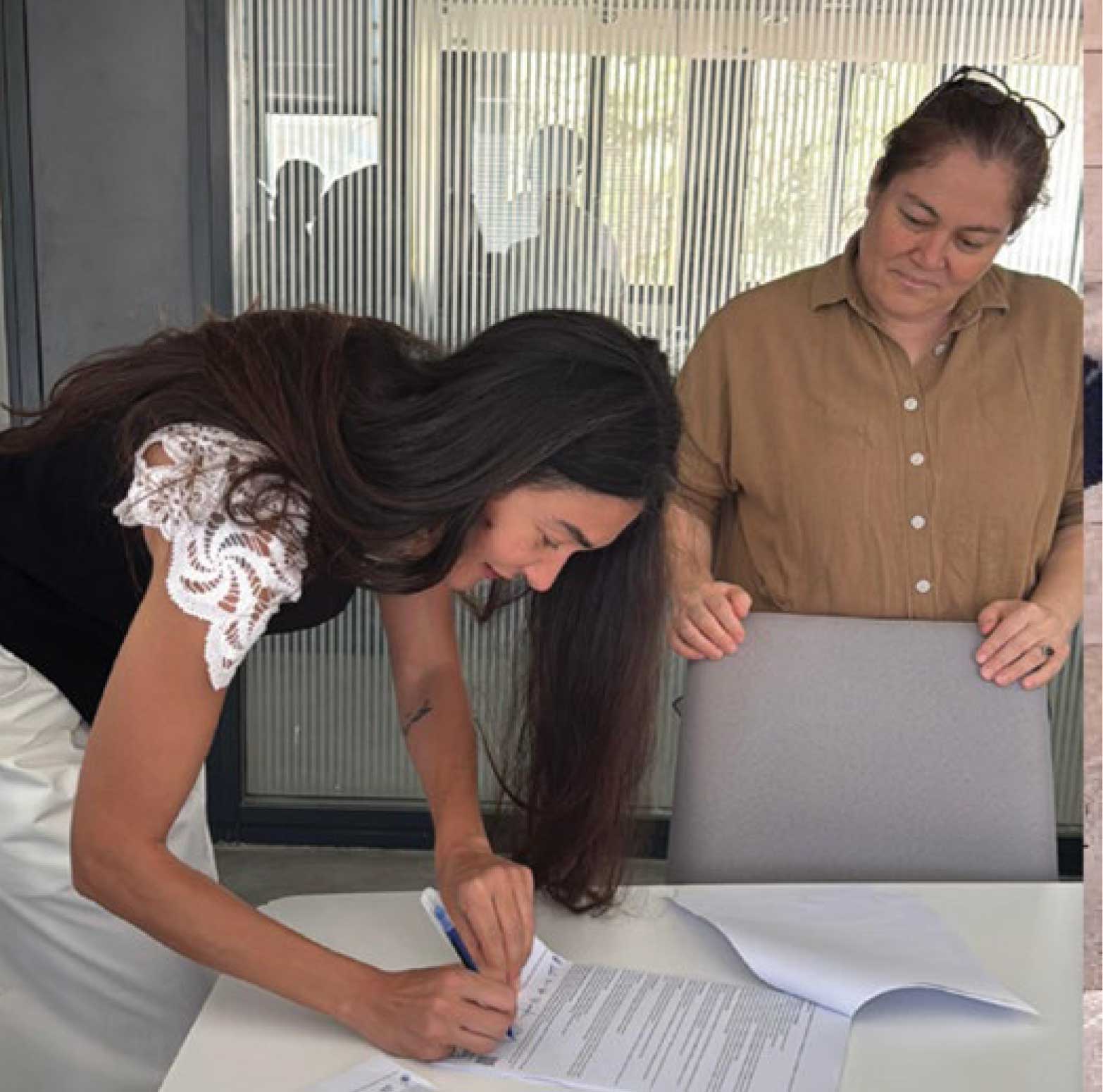
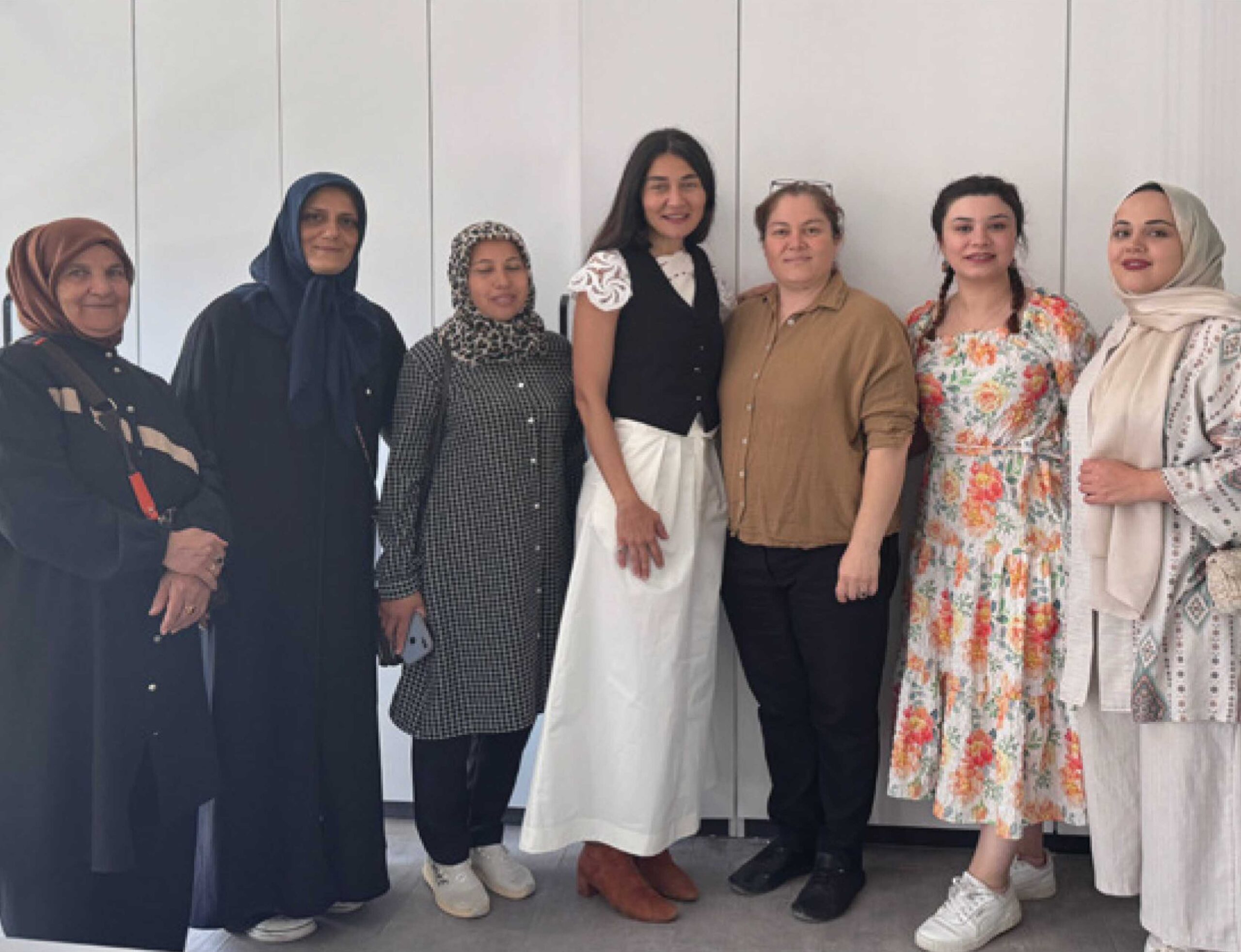
The BİZ Collective Women’s Cooperative was founded in July 2025 in Antakya — a region carrying some of the deepest scars of the February 6 earthquake — by seven women devoted to the cultural and social vitality of these lands. Joined soon after by dozens of others, the cooperative emerged not merely as an economic initiative, but as a living manifestation of solidarity, resilience, and the collective strength of women rebuilding life amid devastation.
Rooted in Antakya’s ancient cultural memory, traditions of production, and the value of women’s labor, BİZ seeks to transform invisible labor into a visible, sustainable, and equitable economic structure. Its mission is to protect and strengthen local production and cultural heritage while building a new development model grounded in solidarity. Through craft and artisanal production, agriculture and local goods, education and capacity-building programs, and collective design, sales, and distribution activities, BİZ supports women’s empowerment both economically and socially.
Originating in Antakya yet growing beyond geography, the cooperative works toward a future in which women actively participate in knowledge creation, production, and decision-making processes.
Aslı Filinta
Wherever I may be, my heart continues to beat for the inspiration rooted in Anatolia. My work has always centered on bringing cultural memory into dialogue with contemporary design and collective production.
When the earthquake struck, I was not in Türkiye. My first instinct was to board a plane immediately for Antakya. At that moment, a close family friend reminded me that creativity itself can be a form of service. I responded by sharing a message on social media — and the story of BİZ began there. Black symbolized our shared mourning; deep red reflected the responsibility we collectively carry.
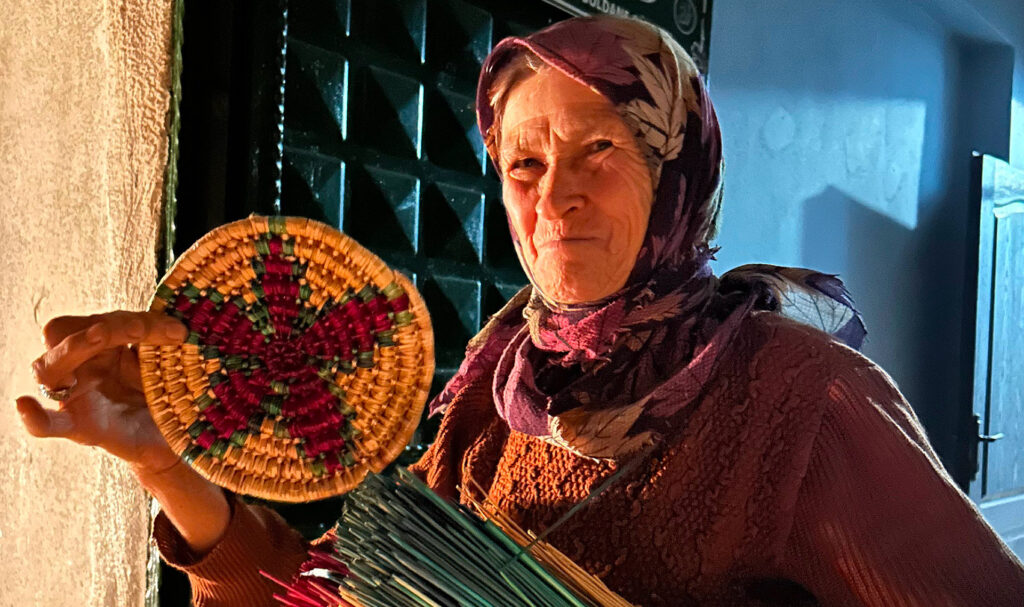
Shortly afterward, an invitation from L’Oréal SkinCeuticals enabled this intention to evolve into tangible action. Traveling to Antakya, staying in temporary shelters, and researching women’s cooperatives led me to rediscover a fading craft tradition: cimem weaving. Through a project designing 10,000 cimem bags, approximately 40 tons of wheat straw were upcycled, employment was provided for 350 women in the earthquake region, and 35 young women were trained in this craft. Conducted in collaboration with national development agencies, the initiative not only received recognition but also created the foundation for a new community.
Following the project’s completion and the dispersal of the production team, we founded the BİZ Collective Women’s Cooperative together in July 2025.
I do not view production merely as an economic activity. Production is a method of solidarity, continuity, and healing. Cultural heritage is not preserved through isolation, but through active use and transformation within life. Sustainability cannot be reduced to materials alone — it requires a holistic perspective embracing land, people, animals, and tradition together. Collective production, therefore, is not simply about economic autonomy; it is a bond formed with the memory, culture, and courage of Anatolia.
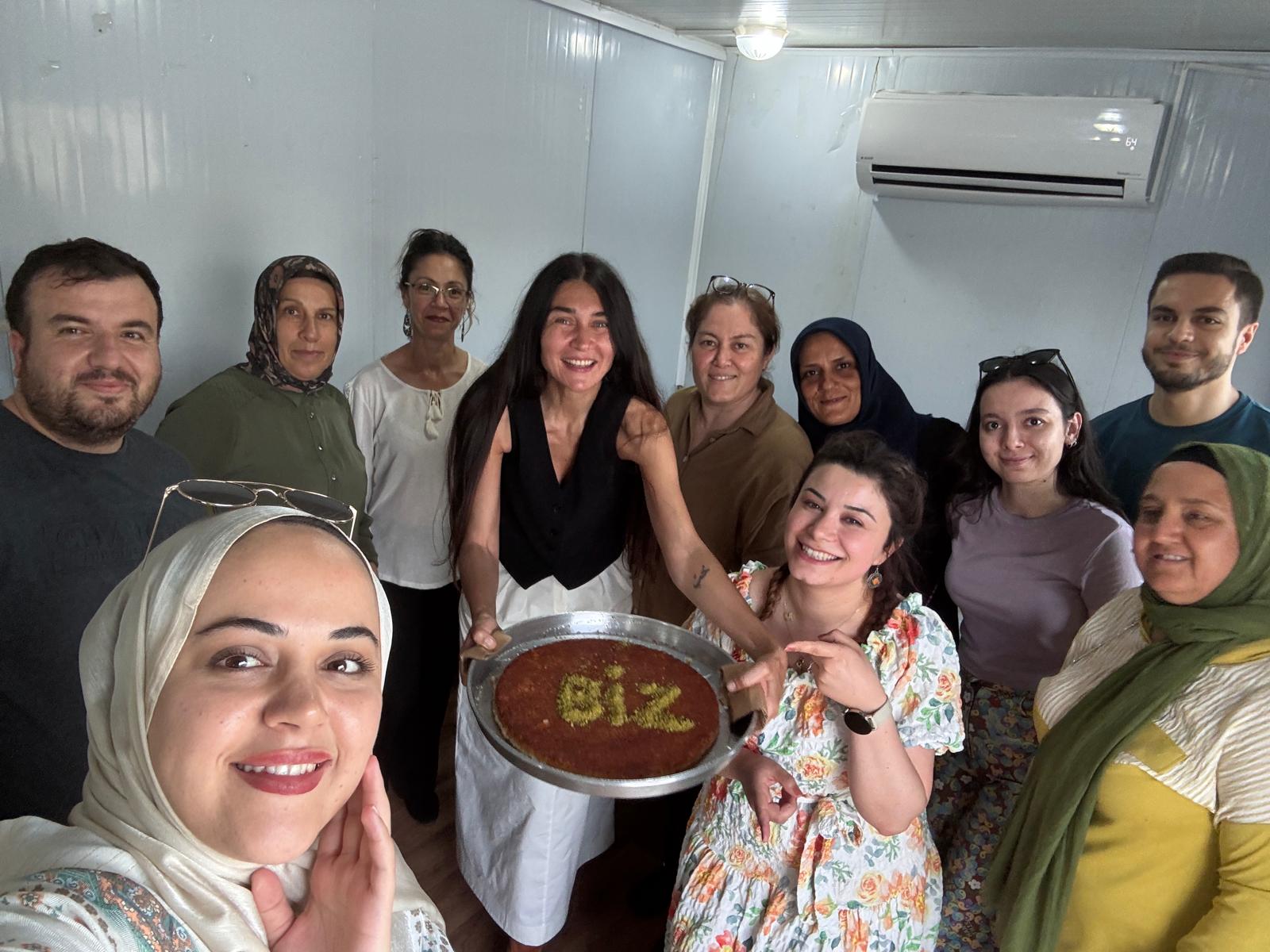
Today, BİZ consists of seven founding members and fifty-five volunteer women entrepreneurs, building a system of collective creation and production where not a single individual, but the land, humanity, tradition, and future itself are the beneficiaries.
Inspired by Anatolia, we strive to make women’s labor visible, revitalize collective production, and contribute to socio-economic development. Our position advocates craftsmanship that amplifies solidarity and materials that nature can reclaim with ease. The inspiration of Anatolia awakens a conscience embedded in memory and reminds us of meaning. We believe that the awakening of collective consciousness — and its expansion across the world — may well emerge from these lands.
We move forward entrusted with what has been given to us, committed to using it for the good of the whole. We invite others to walk alongside us in this journey — not only in collaboration, but in shared dedication and mutual striving toward collective benefit.
Research and Methodological Context
The intellectual foundation of this work examines how fashion design can be structured — through reverse-planned processes — to produce positive ecological, economic, and social outcomes while addressing systemic challenges created by consumption-driven cultural economies. It explores how fashion may function as an input sustaining environmental, social, and economic life, and how prevailing industry issues can be transformed through benefit-oriented approaches.
This inquiry adopts a qualitative case-study methodology grounded in literature review and practice-based research. While cultural heritage has been widely examined in fashion studies, the concept of collective benefit remains comparatively underexplored. By positioning Anatolian cultural heritage and collective benefit as interconnected frameworks, this study contributes original insight through the designer-centered case of Aslı Filinta.
The research investigates:
• Alternative strategies addressing unsustainable industry policies
• The significance of collective benefit in environmental, economic, and socio-cultural improvement
• The role of designers in collective-benefit business models
• Functional integration of collective-benefit frameworks within the fashion ecosystem
• The catalytic role of Anatolian cultural heritage in constructing collective benefit
Findings suggest that designing for collective benefit from the earliest stages of conception can initiate systemic improvement within the fashion industry. As design processes shift toward collective outcomes rather than individual or brand-centered gains, capacity expands organically, transparency increases, and the resulting impact becomes more natural and beneficial. This transformation redefined my own professional ecosystem — reducing dependence on conventional promotional structures and demonstrating that collective benefit itself can generate recognition and visibility.
While the complexity of a multi-stakeholder industry presents limitations in tracking rights and responsibilities across its chain, the necessity of redefining inputs and outputs across such an influential sector remains clear. Collective-benefit-oriented design offers a pathway not only toward sustainability, but toward healing — socially, culturally, and environmentally.