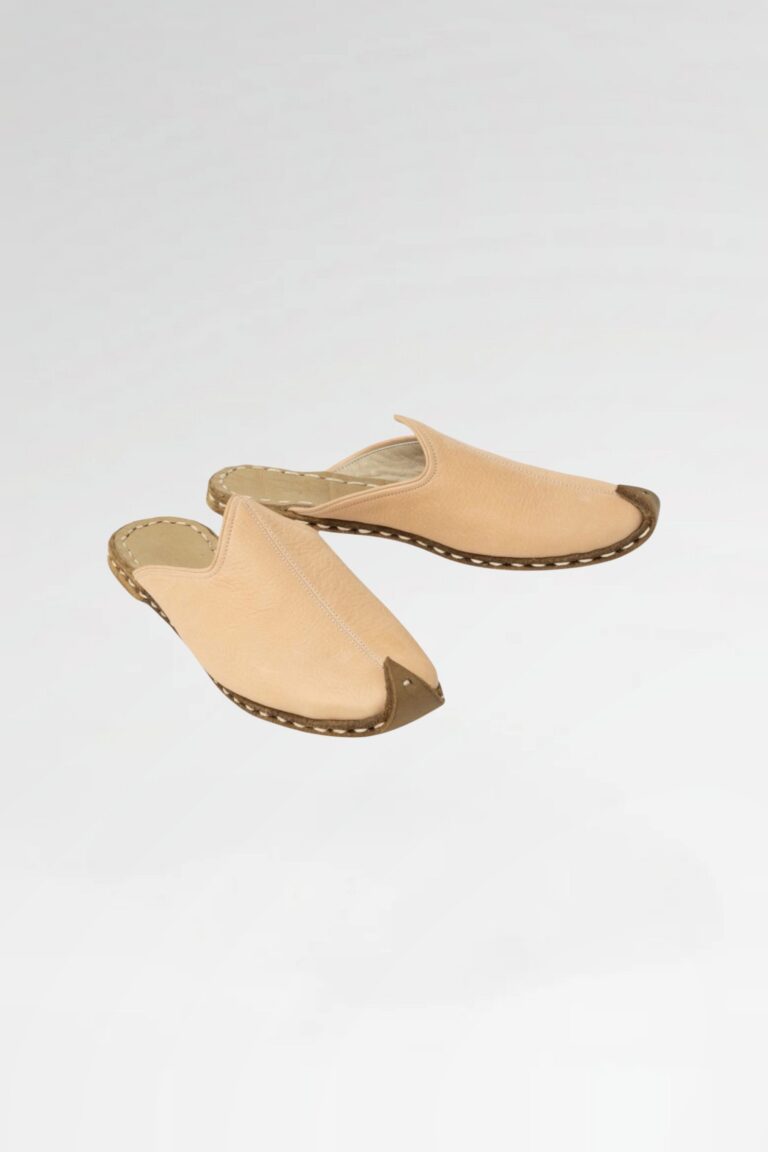
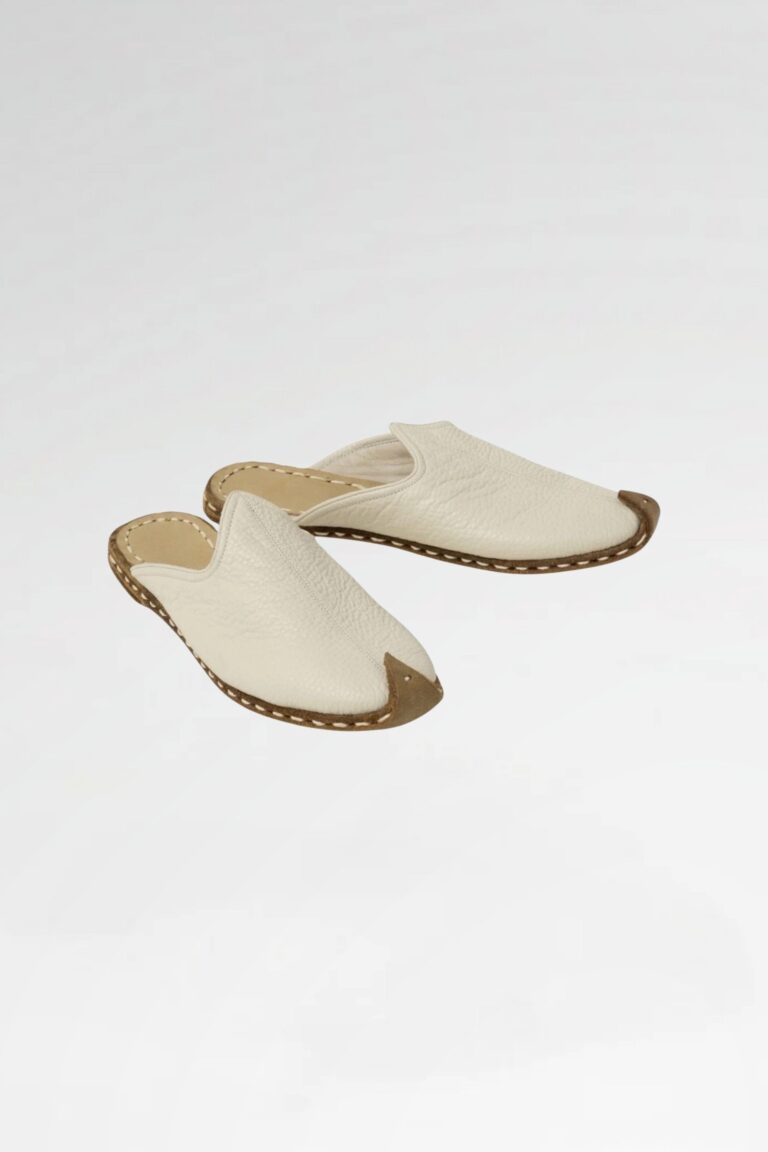
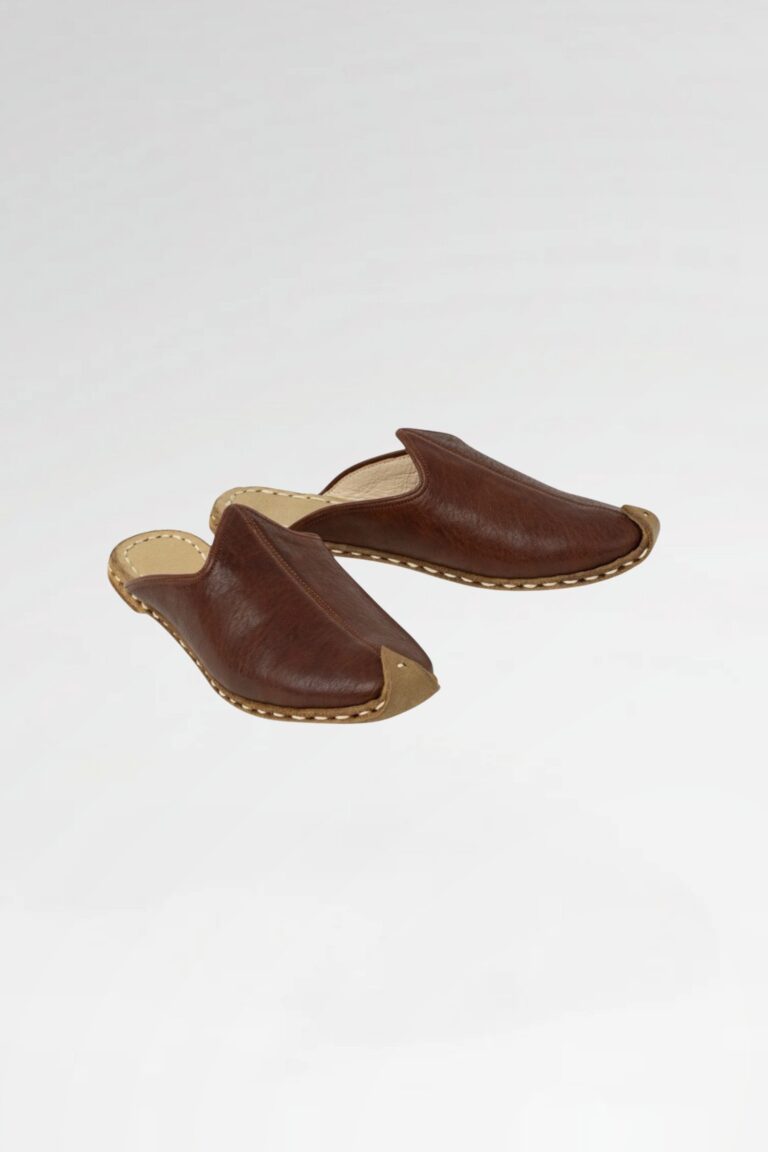
Antep Yemeni Shoes
Regional Identity and Cultural Function
Gaziantep’s Antep Yemenisi, a traditional flat, heel-less leather shoe, is rooted in the regions of Eastern and Southeastern Anatolia, particularly Gaziantep, Şanlıurfa and Kilis. Historically worn by a wide range of people, from agricultural communities to urban populations, this footwear is designed to suit the hot, dry climate of the Upper Mesopotamian basin. Its construction allows a high level of breathability. Within the traditional guild system, the craftsmen who make these shoes are known as köşker, a name derived from the Persian word keşfger, meaning “shoemaker”.
Chronology, Origins and Development
Written records trace the naming and production of the yemeni through trade routes back to at least the 14th century, and to the geography of Yemen via Aleppo. According to historical accounts, the distinctive stitching technique originated with a craftsman named Yemen-i Ekber and gradually reached Anatolia along the northern trade routes. By the 18th century, the köşker guild in Gaziantep had established the standards for an authentic Antep Yemeni. It required every stage of production to take place within the city and to be completed entirely by hand.
Materials and Bio-Dynamic Principles
An original yemeni is made by bringing together five different types of animal hide, each selected for a specific function:
- Sole: Made from thick, vegetable-tanned buffalo or cattle leather.
- Upper: Cut from goat leather, chosen for its softness and flexibility.
- Inner Lining and Footbed: Made from sheep or kid leather to absorb moisture and allow air to circulate.
- Edge Binding (pervaz): Stitched with thin strips of kid or donkey leather to reinforce the joints.
The complete absence of synthetic polymers, rubber components and metal nails creates a flexible, entirely natural barrier between the foot and the ground. Its entirely natural construction, free from synthetic and rubber components, maintains a direct connection between the foot and the ground. This is linked to grounding (earthing), the practice of allowing the body’s electrical charge to pass into the earth through direct contact. Beyond this association, the original construction reflects a historical and practical approach to comfort: protecting foot health, reducing friction and creating an ideal microclimate for the foot.
The Traditional Production Technique, Step by Step
- Cutting and Measuring: Using special metal templates, the köşker craftsman cuts goat leather and buffalo sole leather by hand, following the measurements of the wooden lasts.
- Soaking and Softening (Tavlama): The hard sole leather is soaked in water tanks until it becomes soft and flexible enough for the stitching needle to pass through.
- Channel Cutting (Nisa): Fine channels are cut along the edges of the sole leather to accommodate the stitching threads. This prevents the stitches from rubbing directly against the ground and breaking.
- The Turned-Shoe Stitching Technique: The yemeni is assembled upside down on the last, with its inner surface facing outward. Using a double cotton thread coated with beeswax, the craftsman hand-stitches the sole and upper leather together.
- Lasting and Drying: Once the stitching is complete, the still-damp yemeni is turned right side out. It is fitted onto the wooden last with a hammer and left to dry. As the leather dries and contracts slightly, it takes its final shape.
An Object Born of Necessity
The yemeni emerged from the need to use locally available materials to make footwear that could withstand difficult climate conditions, breathe and be easily repaired. In local accounts, it is also a symbol of collective work and patience.
According to local stories, the slightly upturned shape at the front of the yemeni, known as the toe, was designed to prevent small stones and desert sand from entering the shoe when walking on dusty, rocky roads. This practical solution transformed raw animal hide into a protective layer that adapted to the movements of rural workers.
Approach to Traditional Crafts
Aslı Filinta brings the traditional craft of yemeni into contemporary forms of dress and places it within a global design context. By covering the traditional goat-leather upper with denim, a fabric associated with contemporary textile culture, the designer creates a dialogue between different materials.
This design intervention preserves the yemeni‘s established buffalo-leather sole construction and wooden-last craftsmanship while giving the shoe a contemporary identity suited to everyday use in modern city life. By including these hybrid models in runway presentations and international selections, introduces Gaziantep’s köşker craft, which is at risk of being forgotten, to new generations and supports the continuation of production in local workshops.
Academic Sources & References / Akademik Kaynaklar
- Traditional Handicrafts of Gaziantep: Yemeni-Making Methodology – Republic of Türkiye Ministry of Culture and Tourism
- The Historical Development and Material Analysis of the Köşker Craft – Gaziantep Intangible Cultural Heritage Archive
- The Turned-Shoe (Yemeni) Assembly and Denim Integration – Aslı Filinta Technical Archive