One-of-a-Kind
Every piece in this collection exists only once.
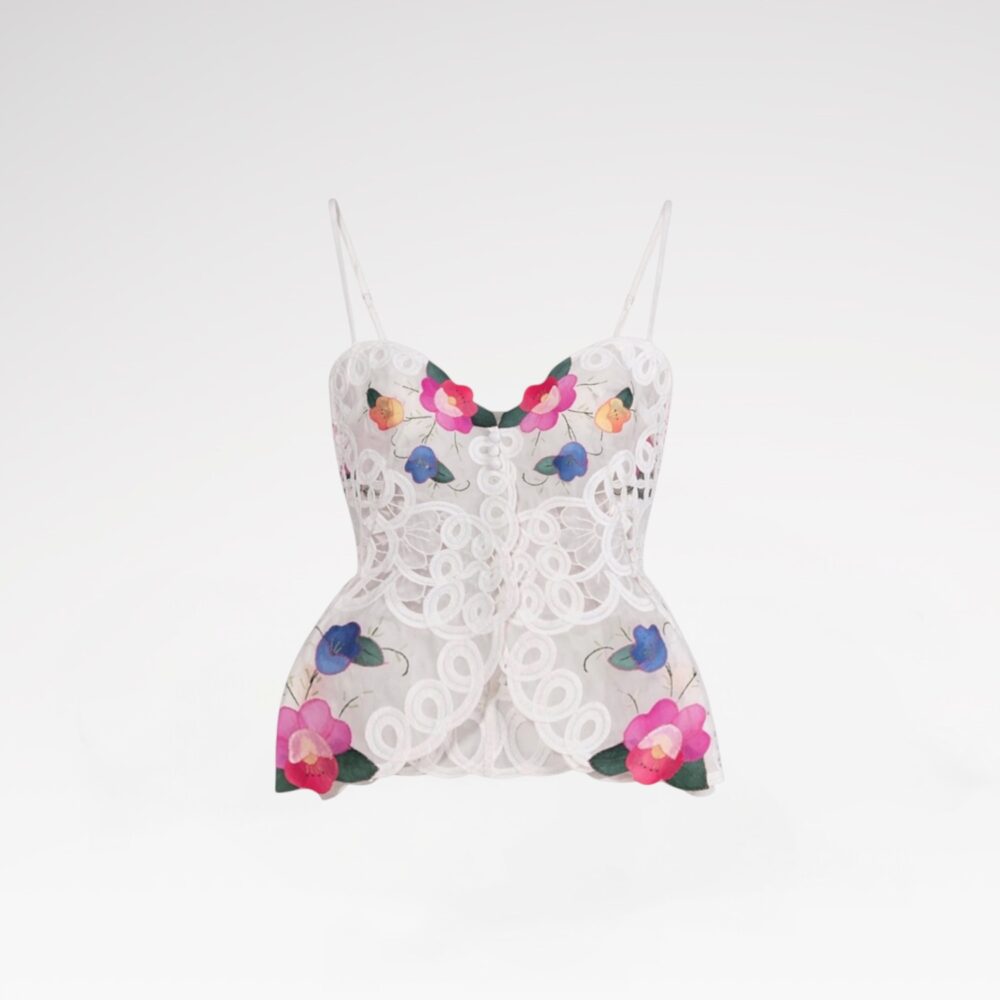
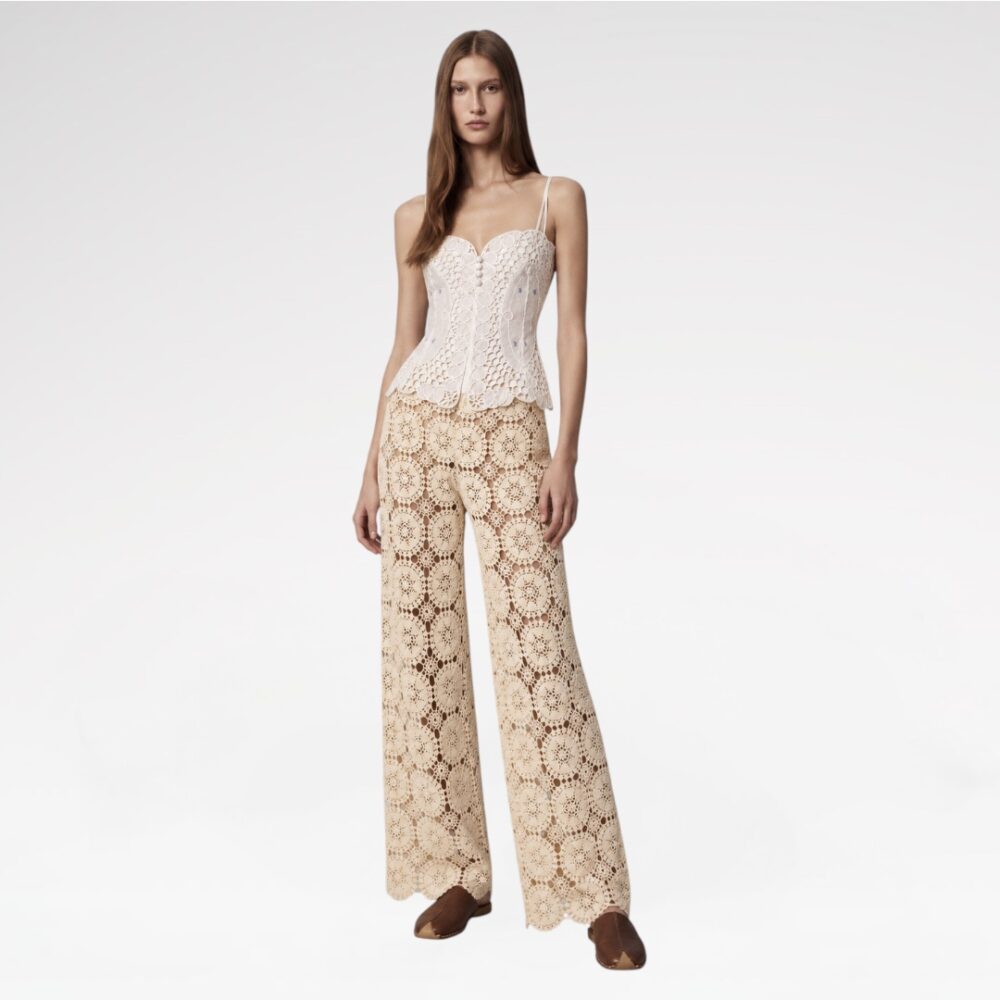
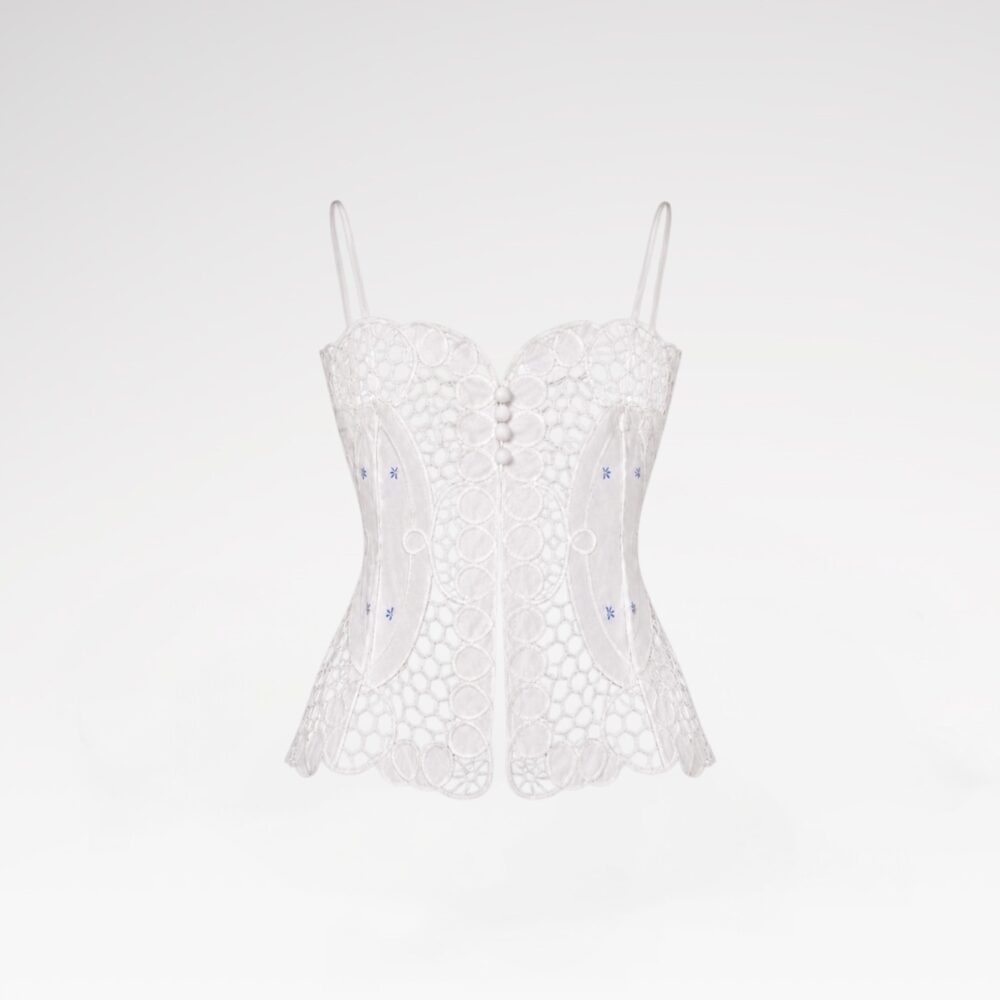
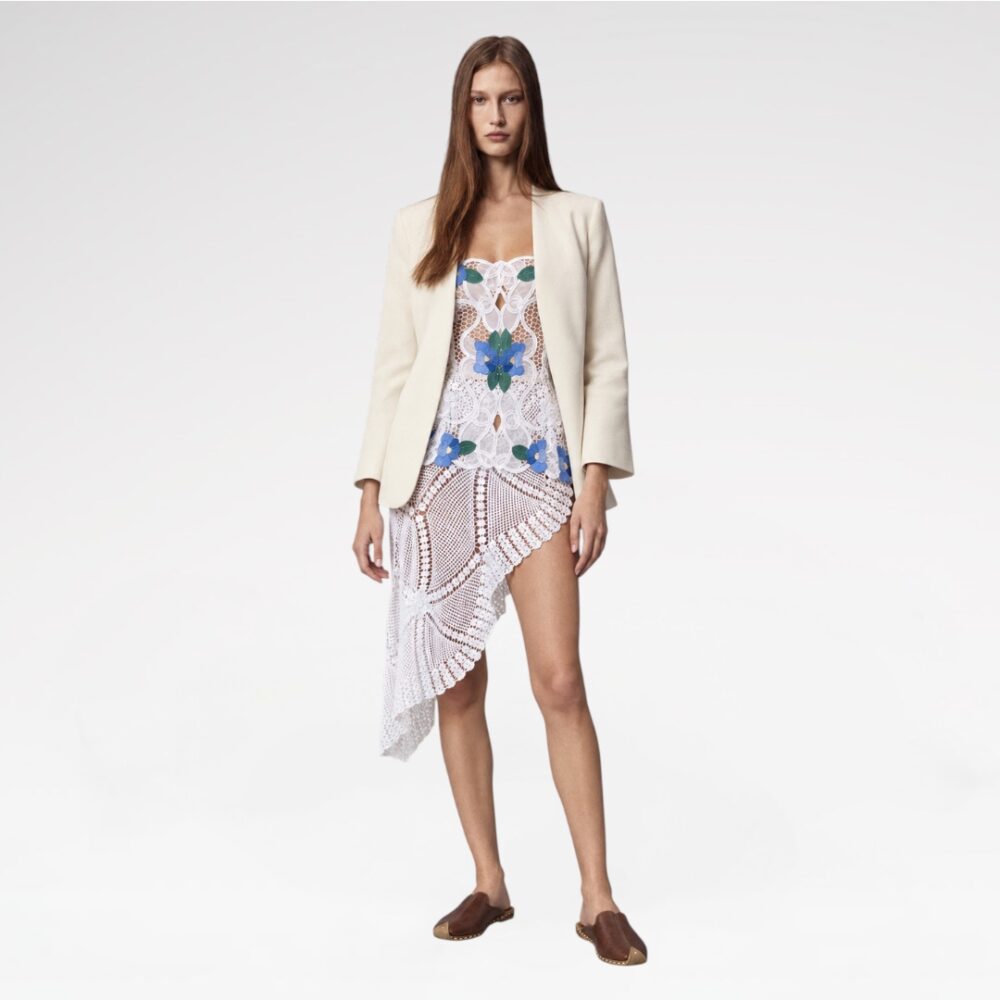
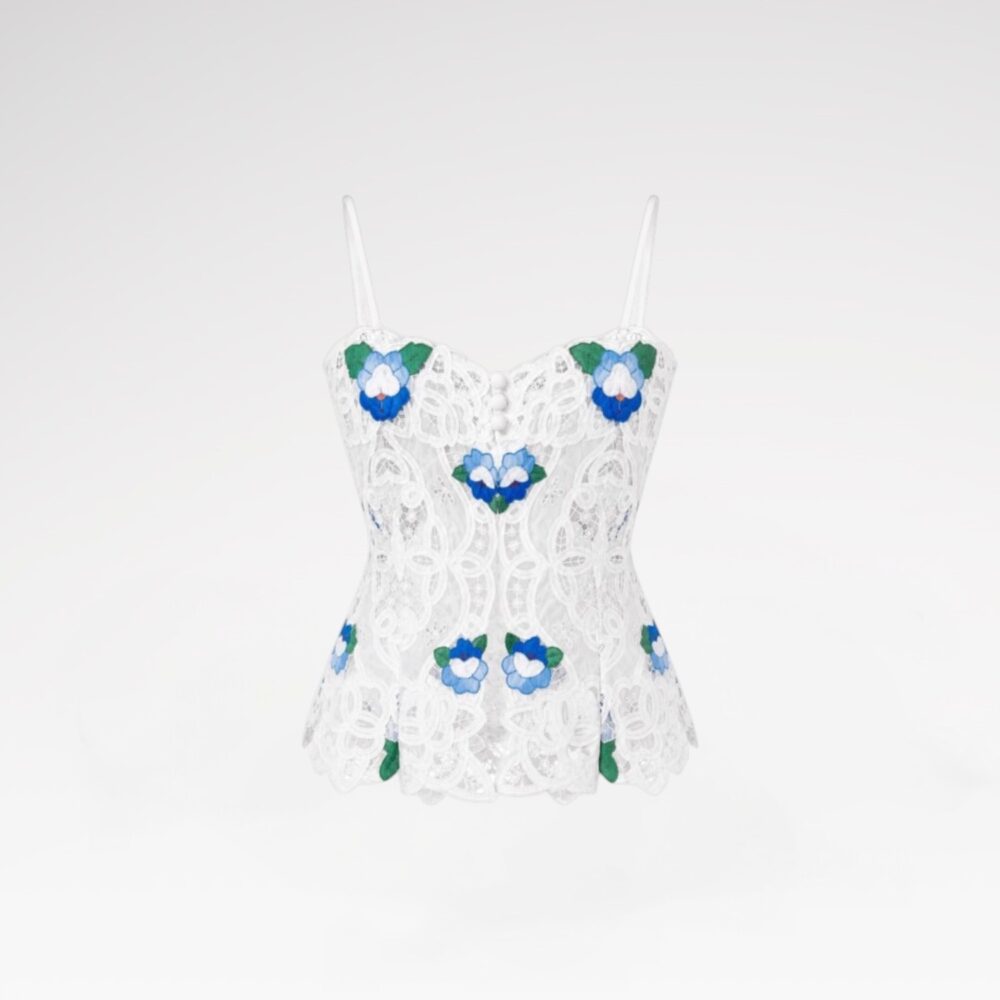
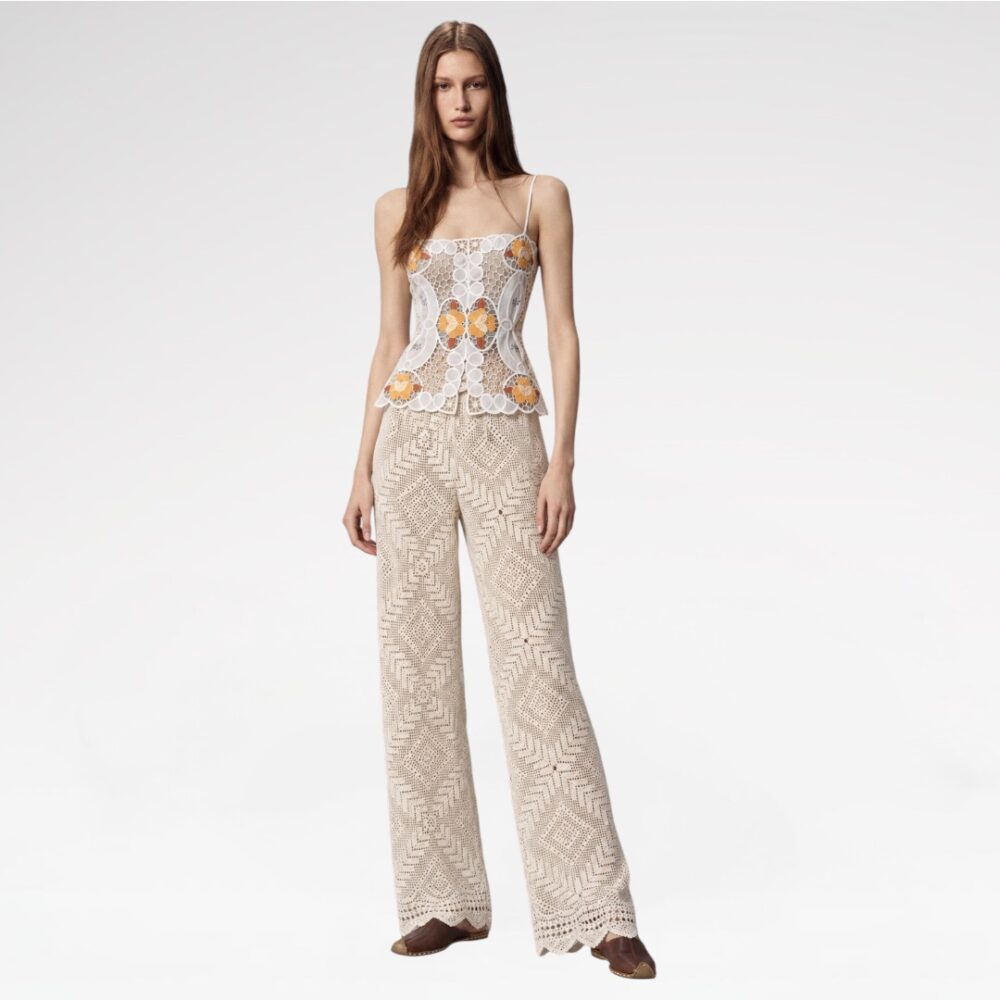
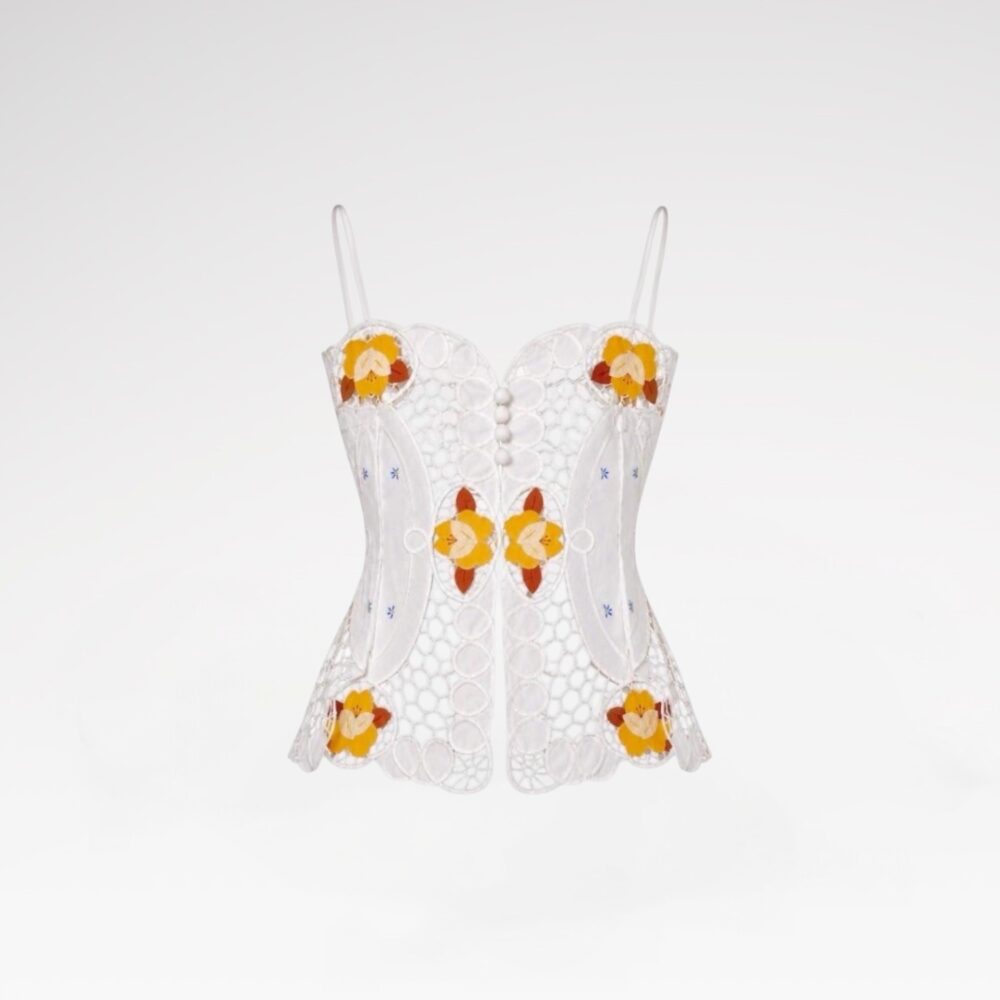
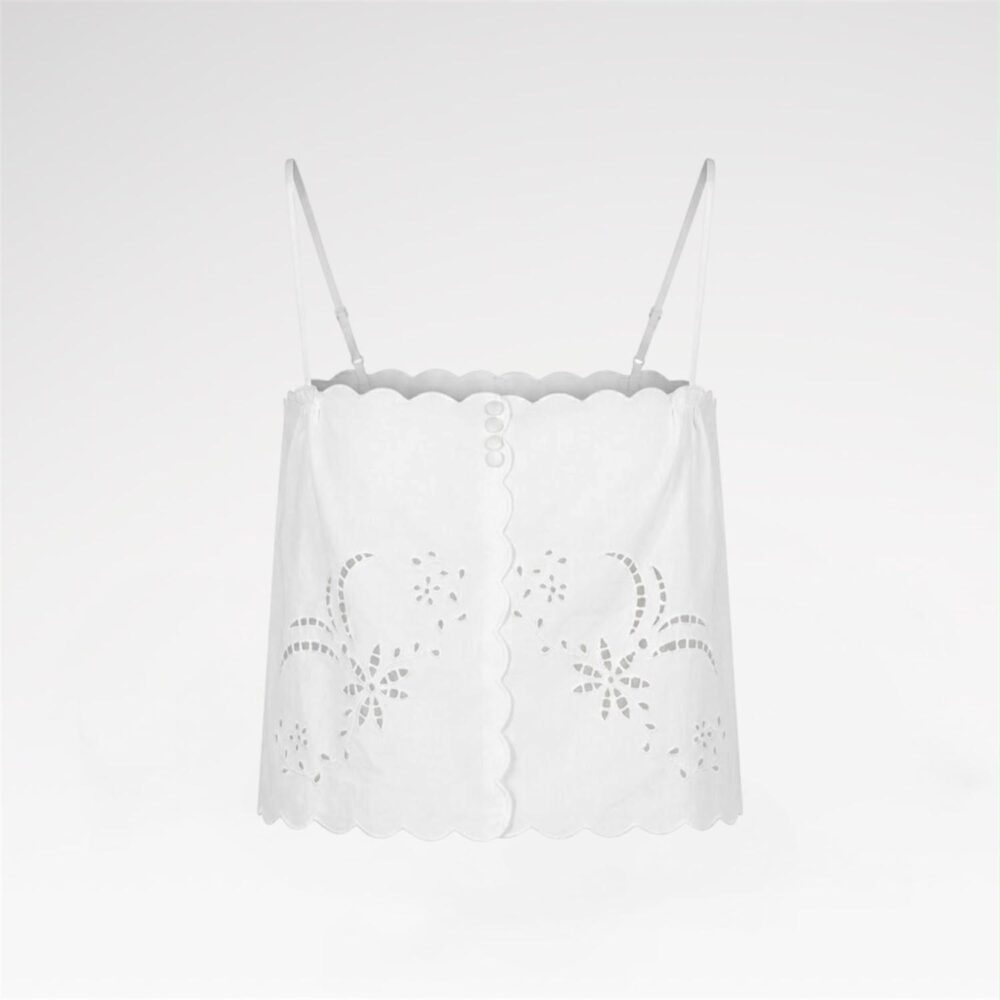
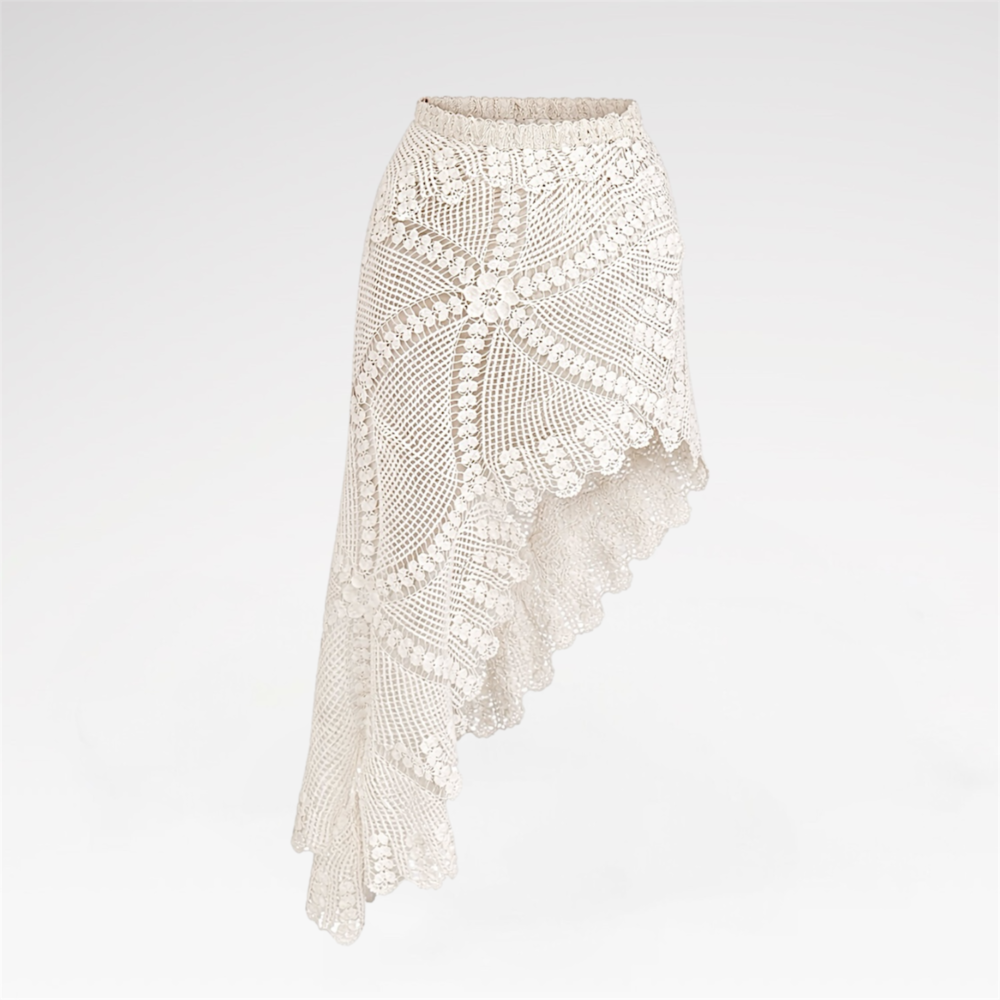
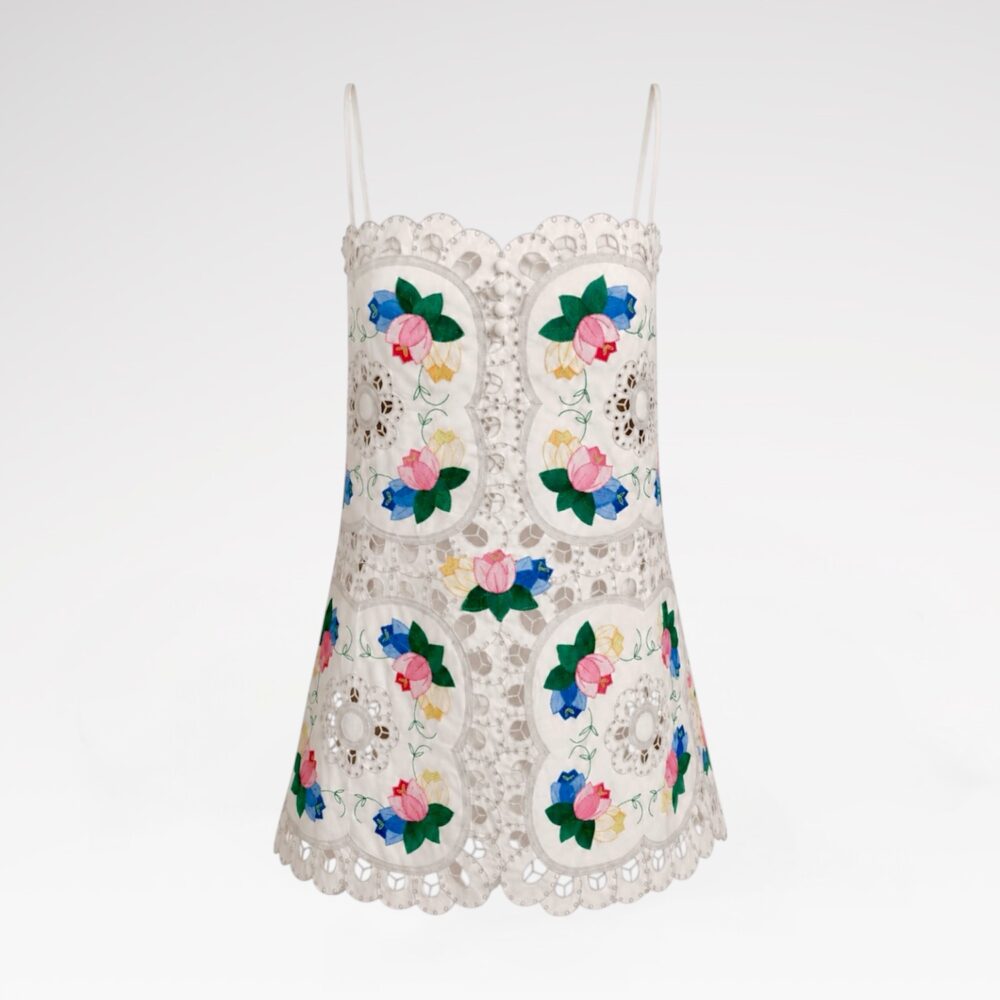
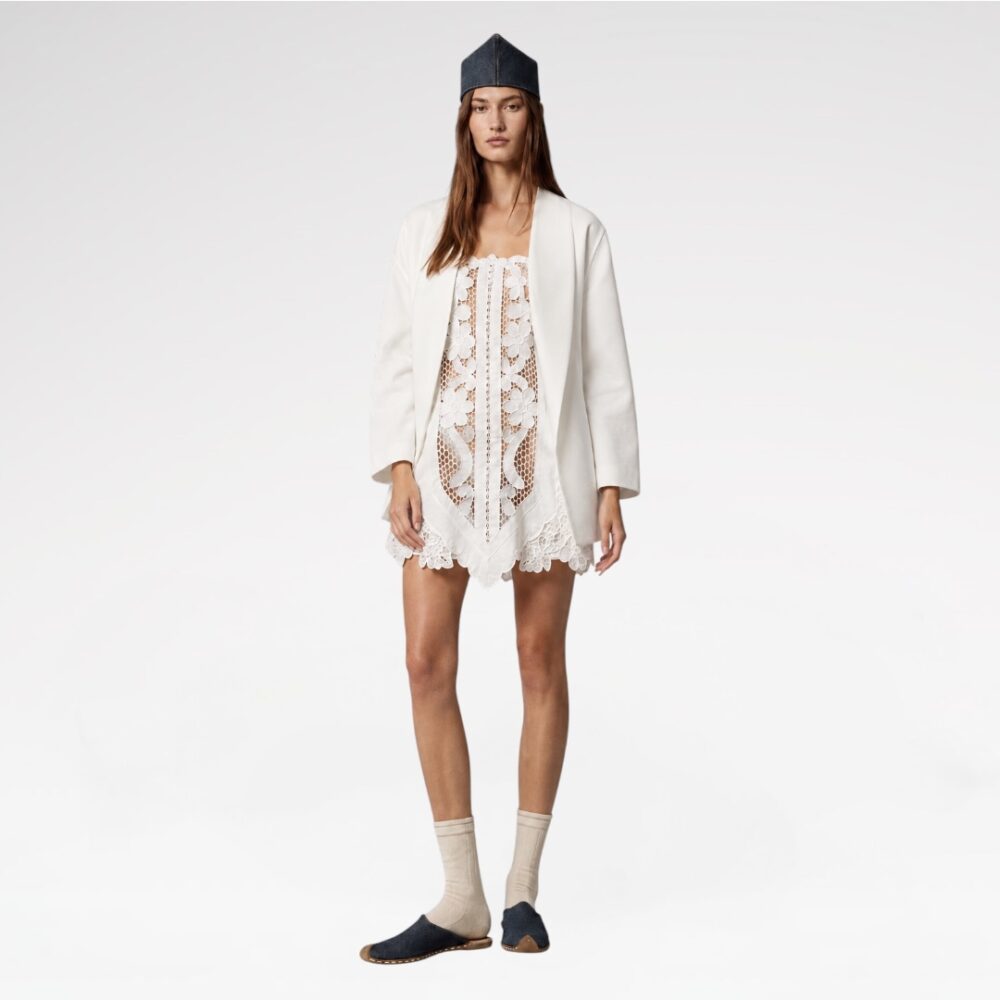
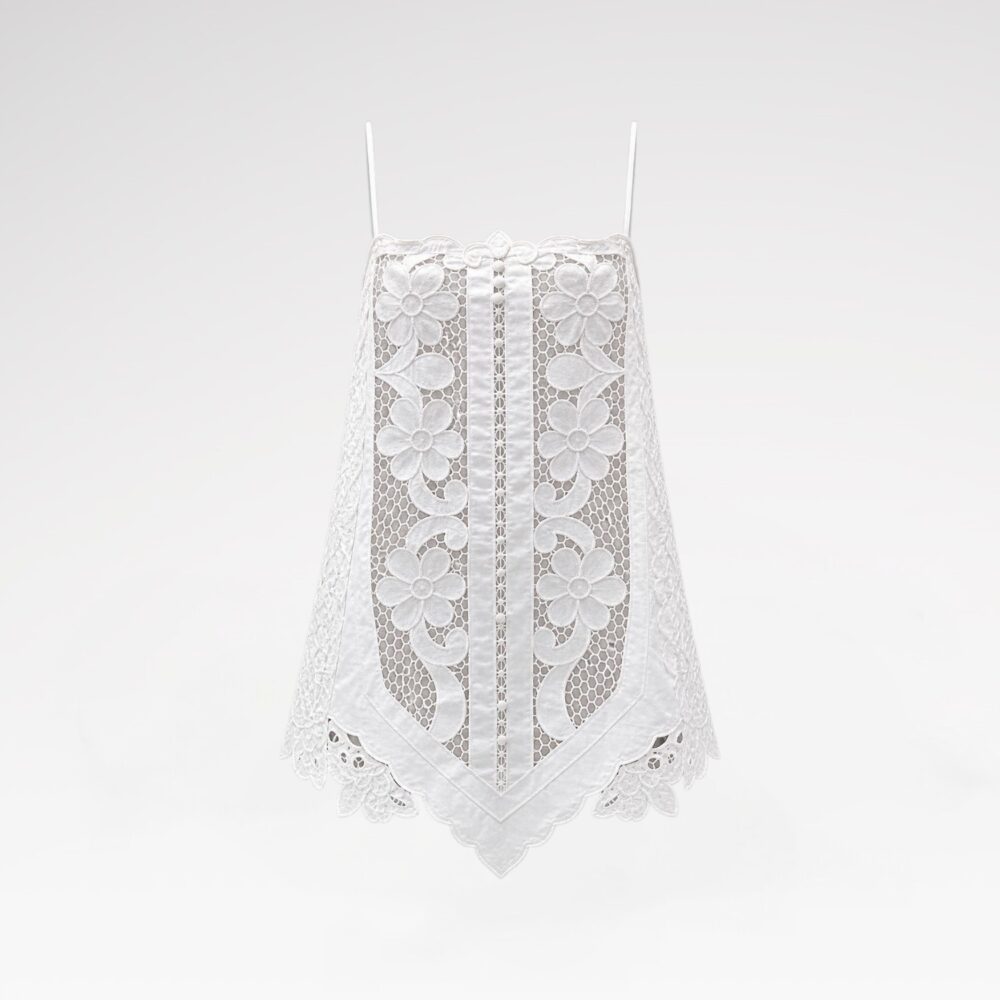
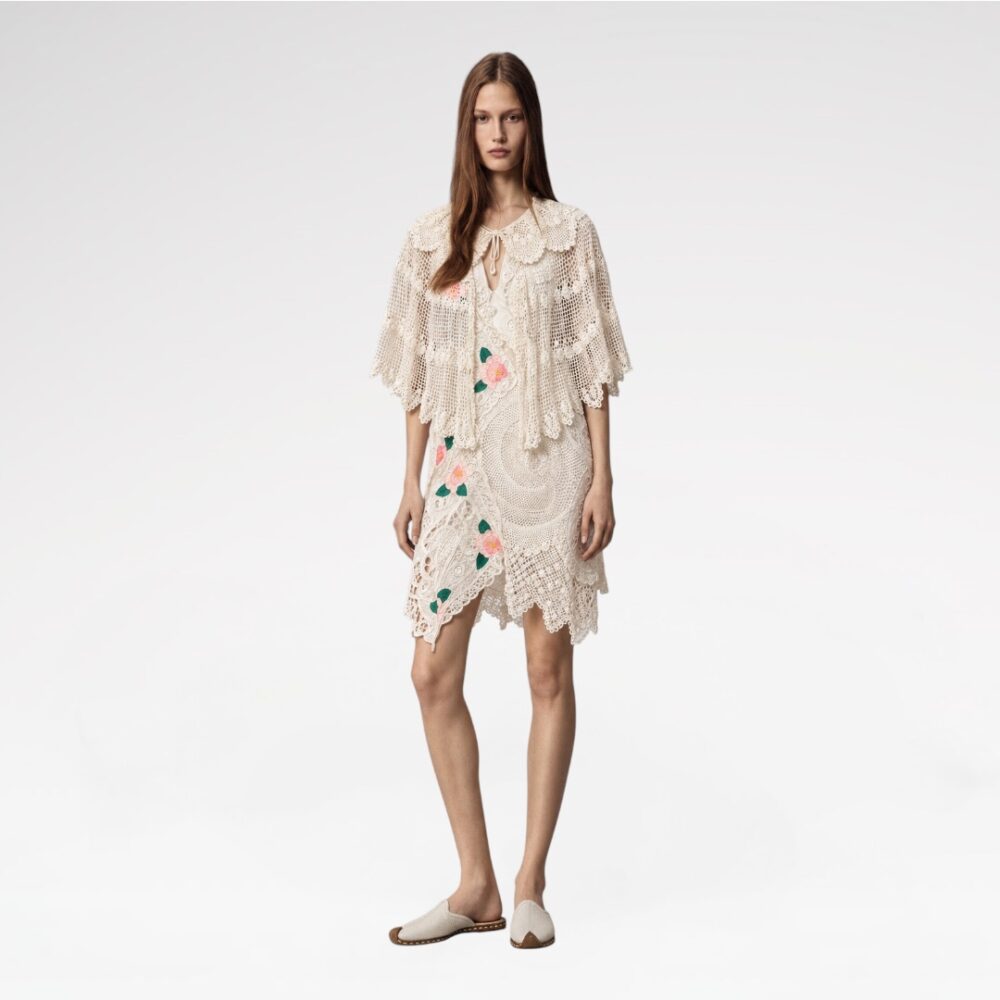
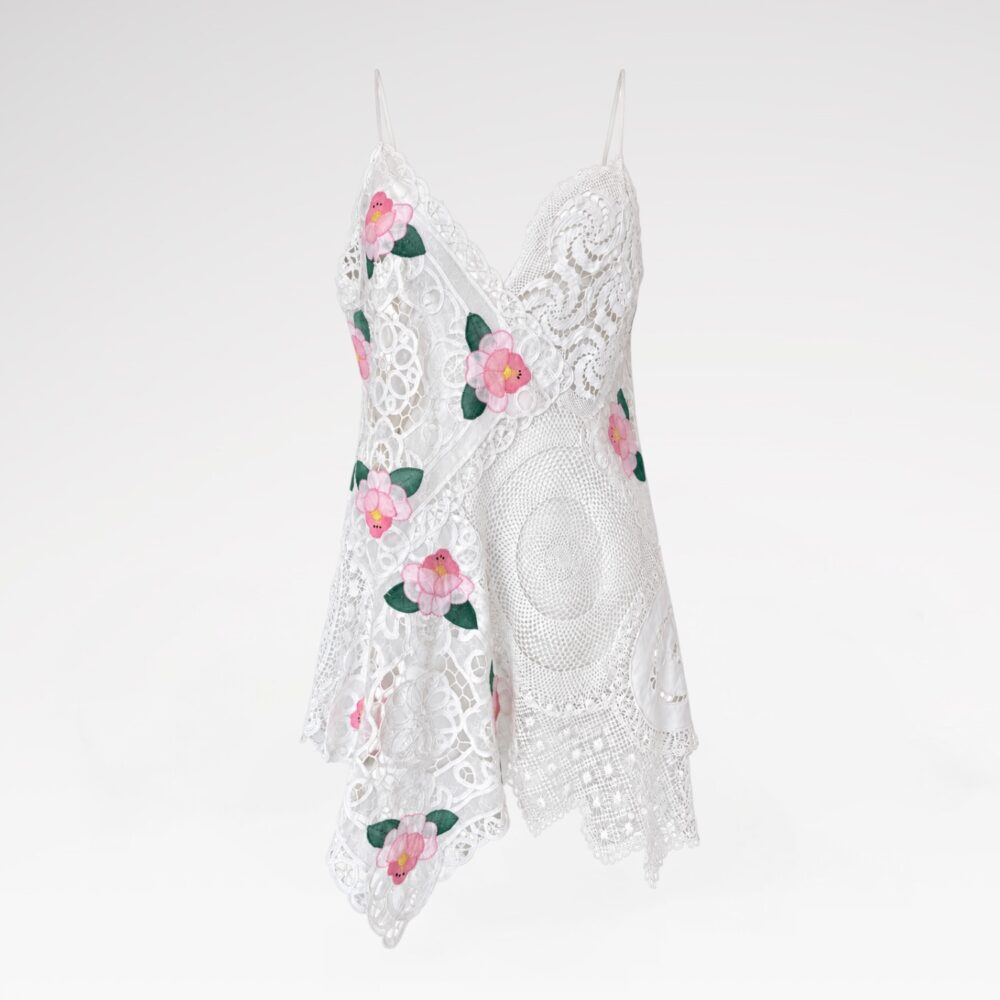
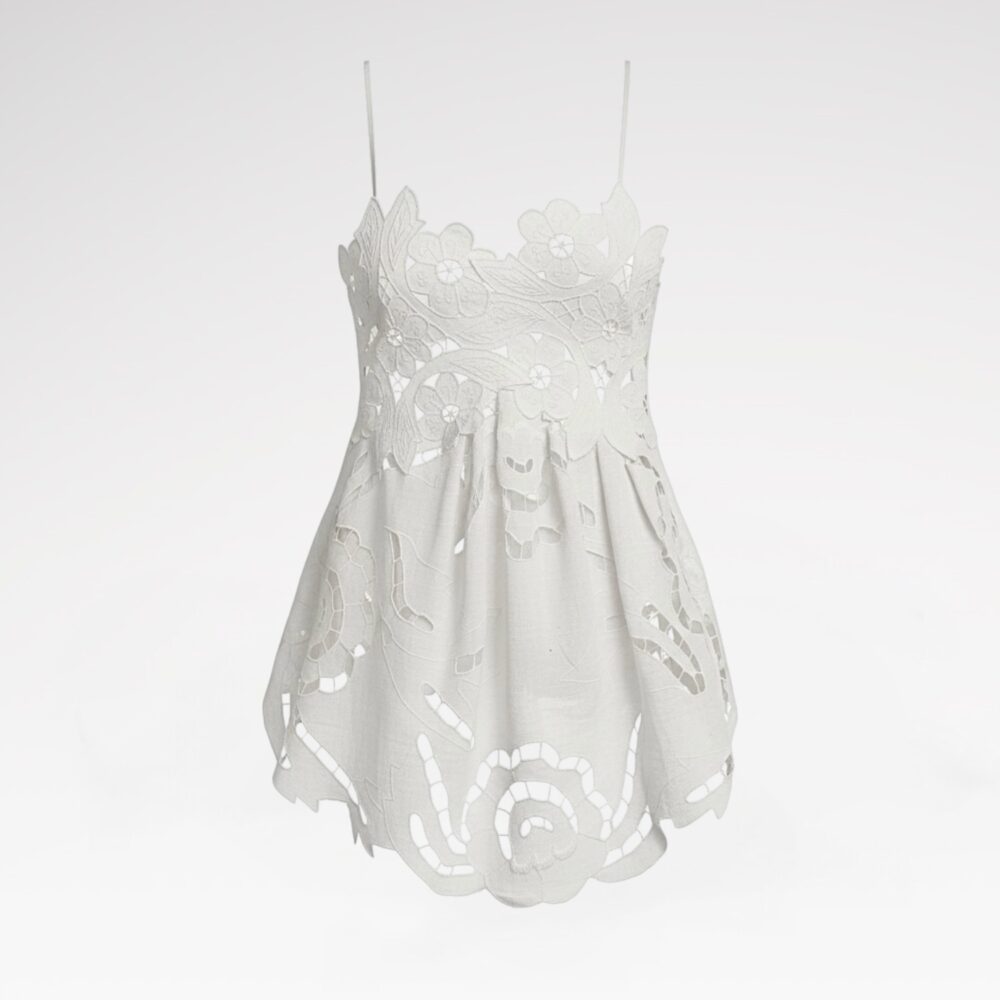
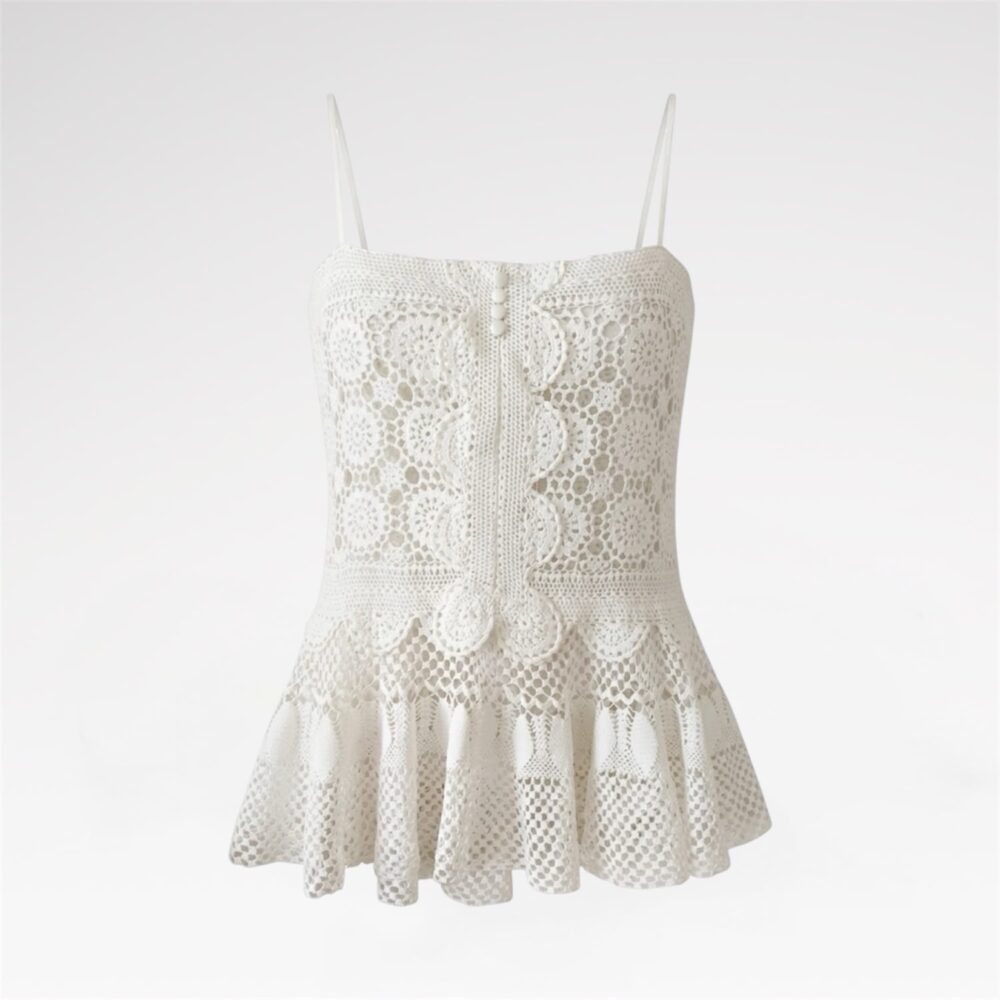
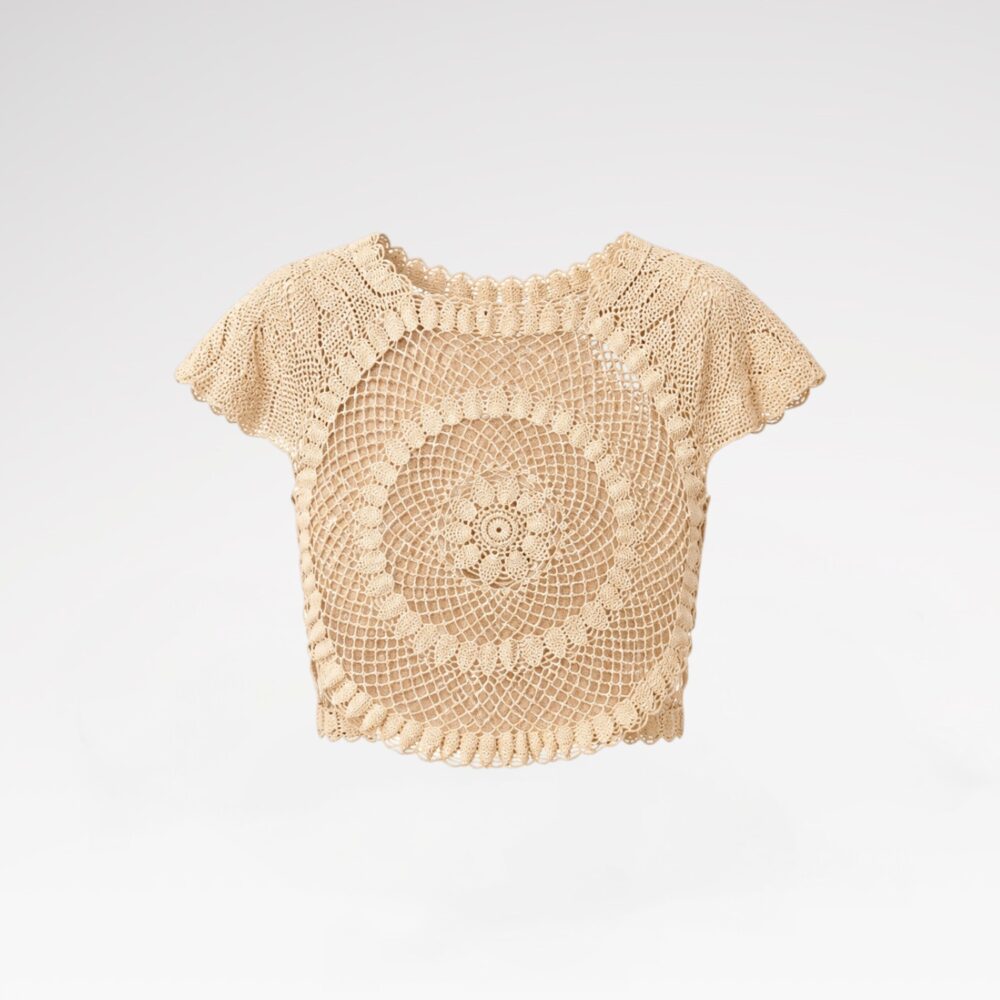
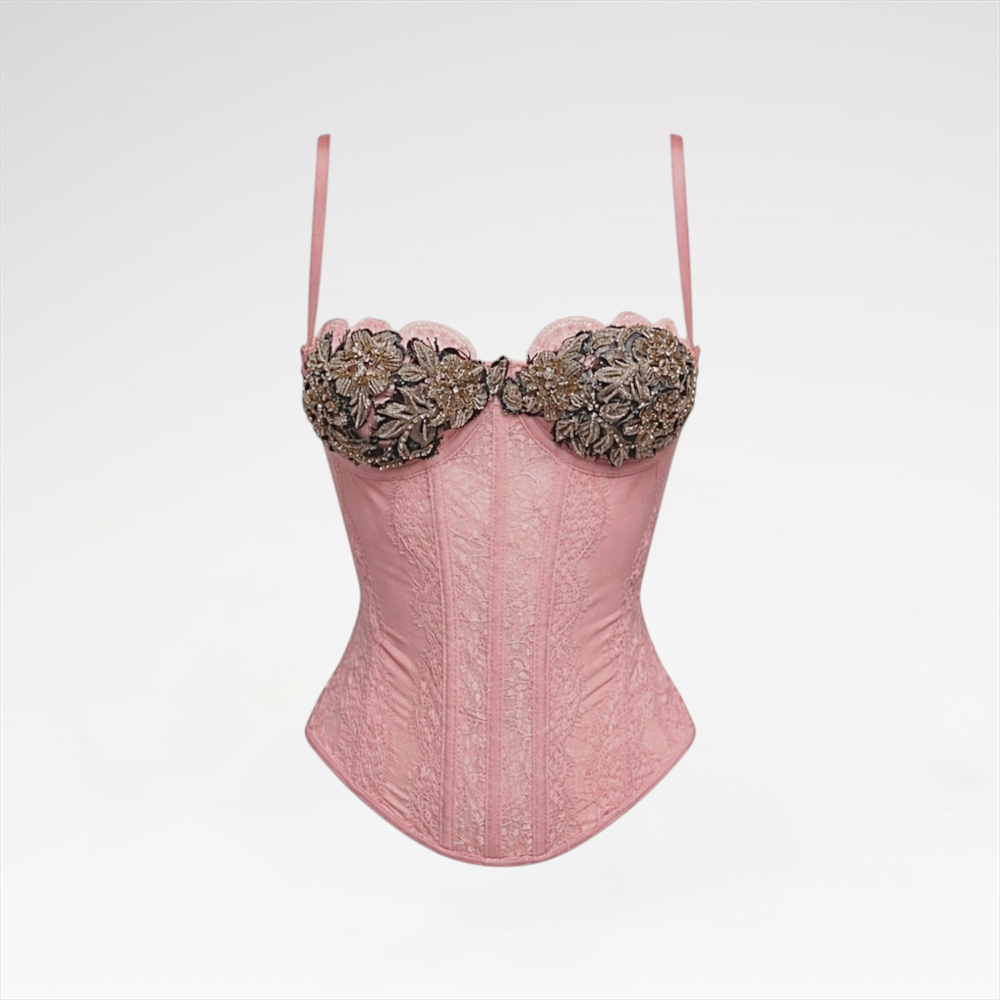
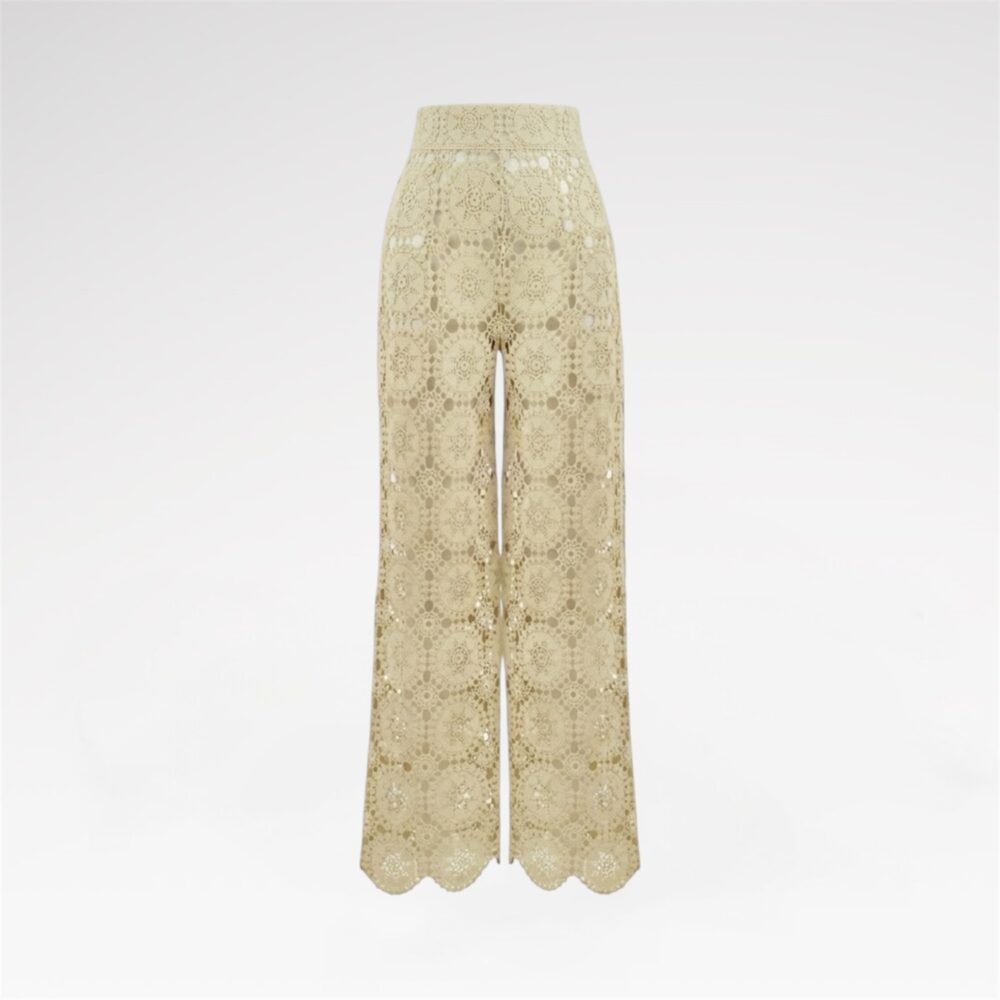
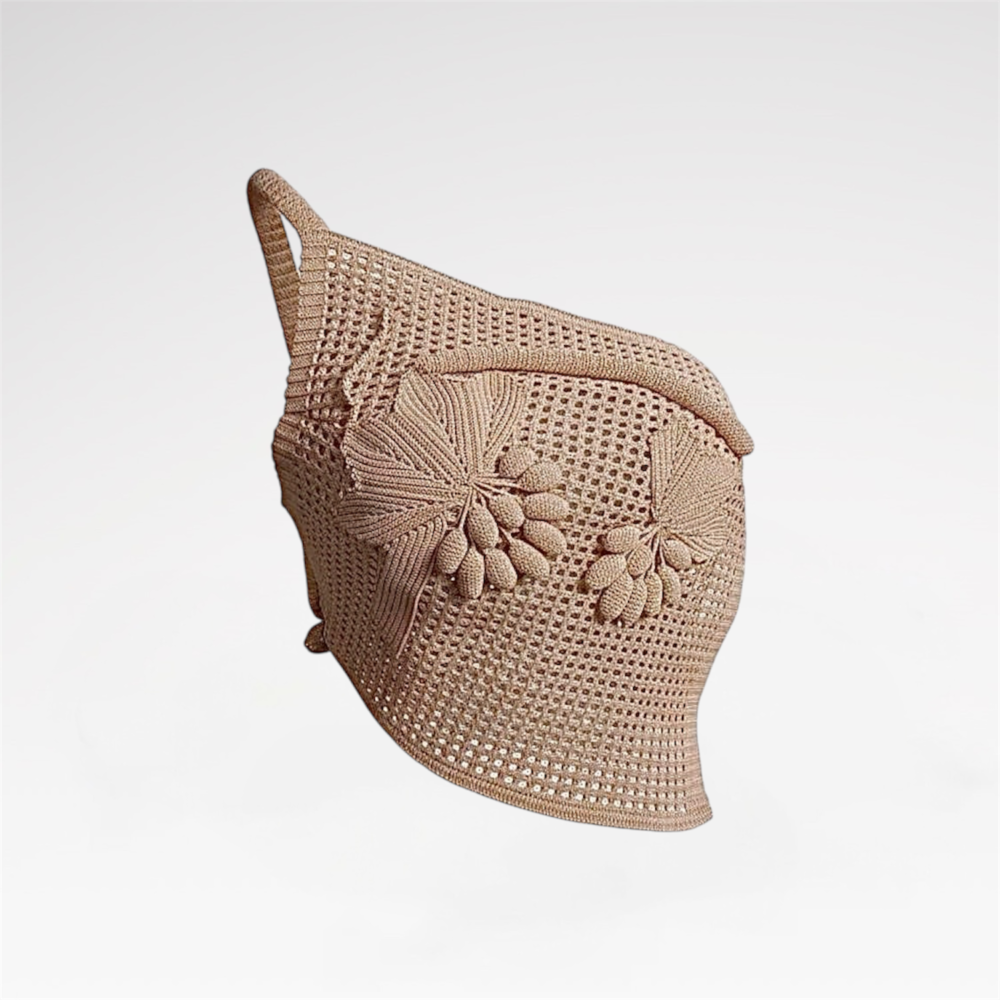
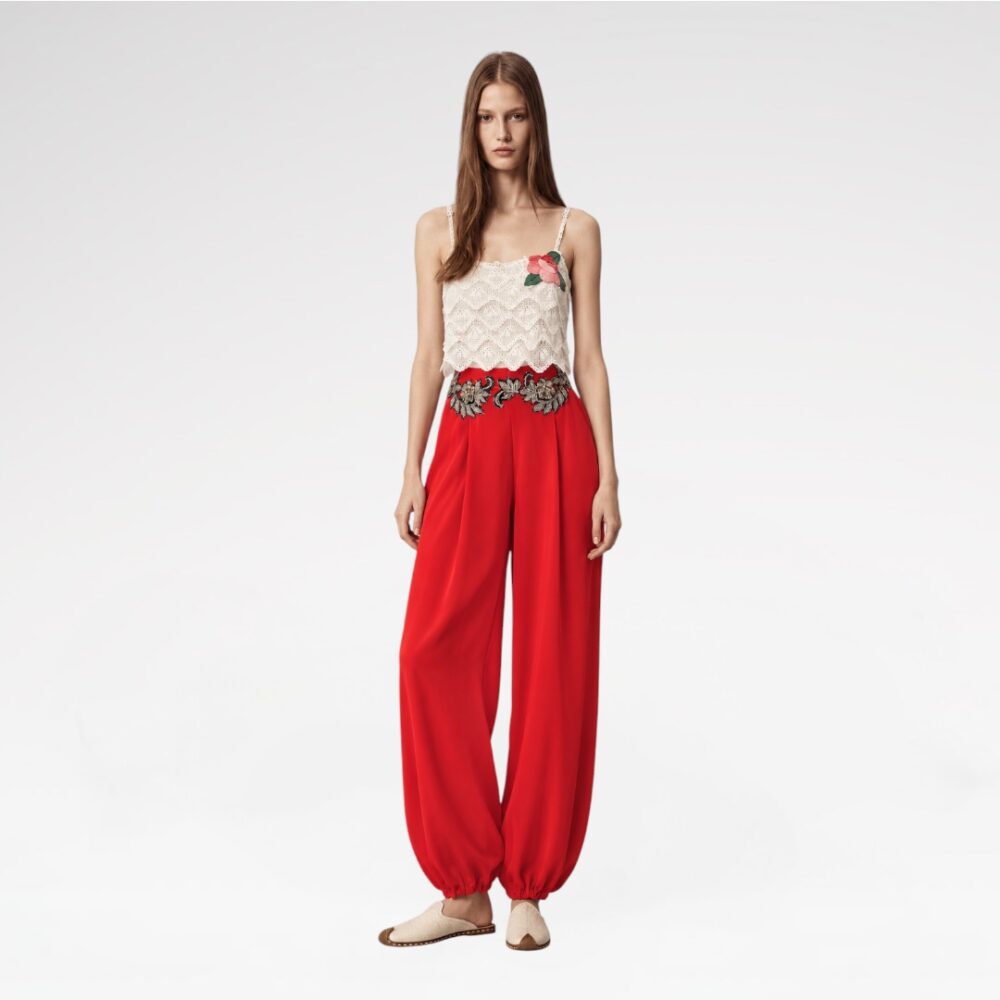
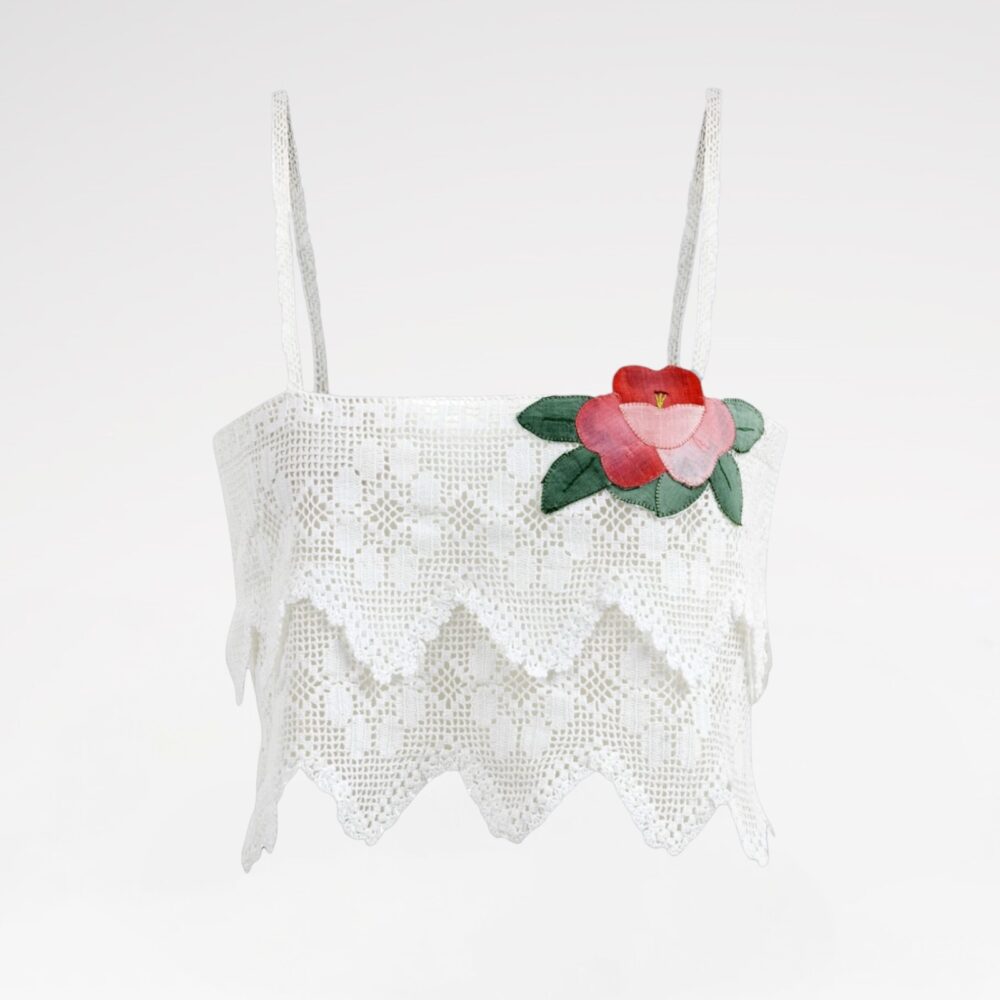
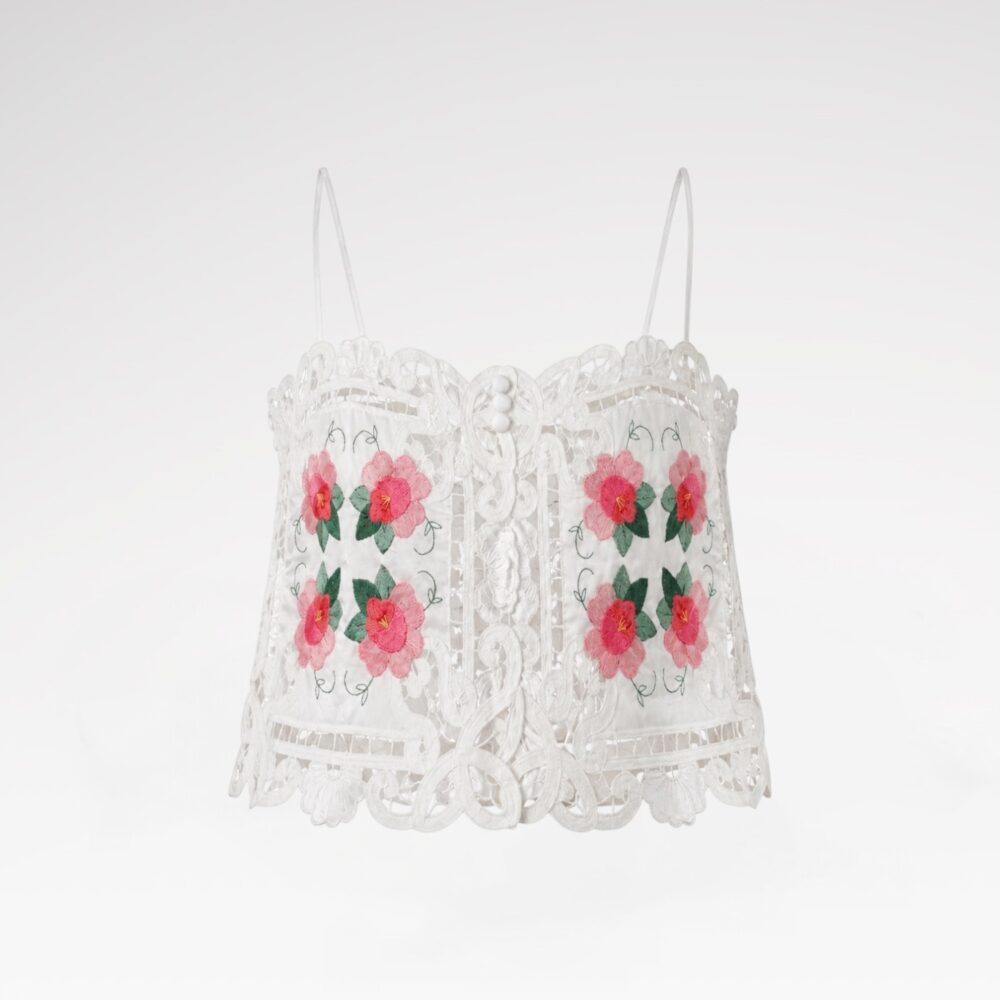
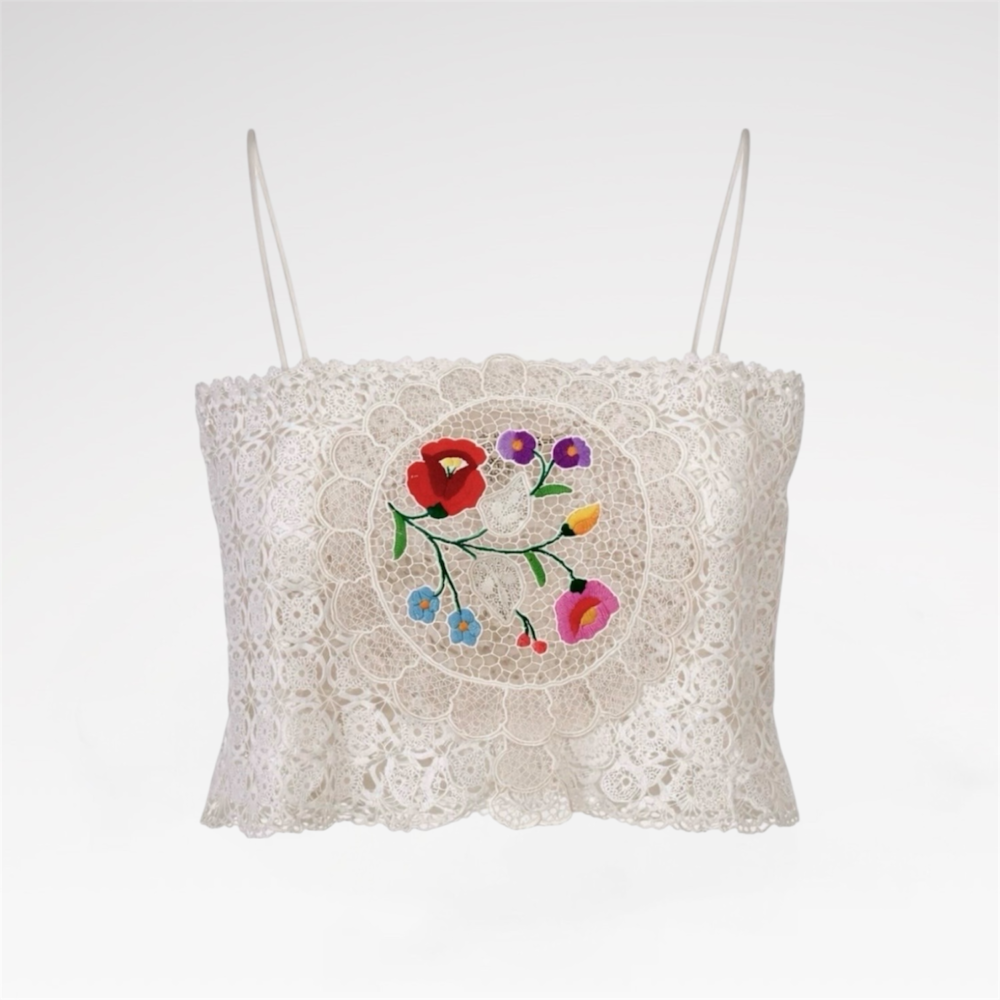
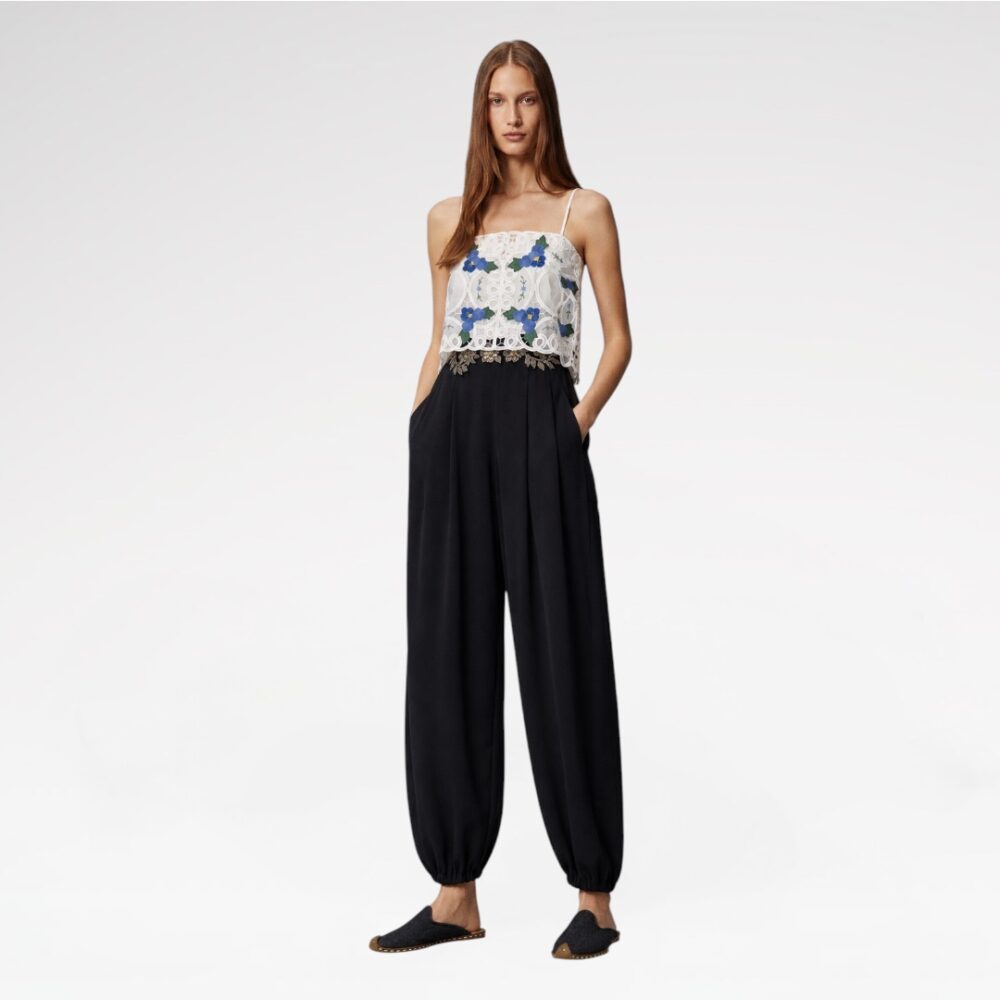
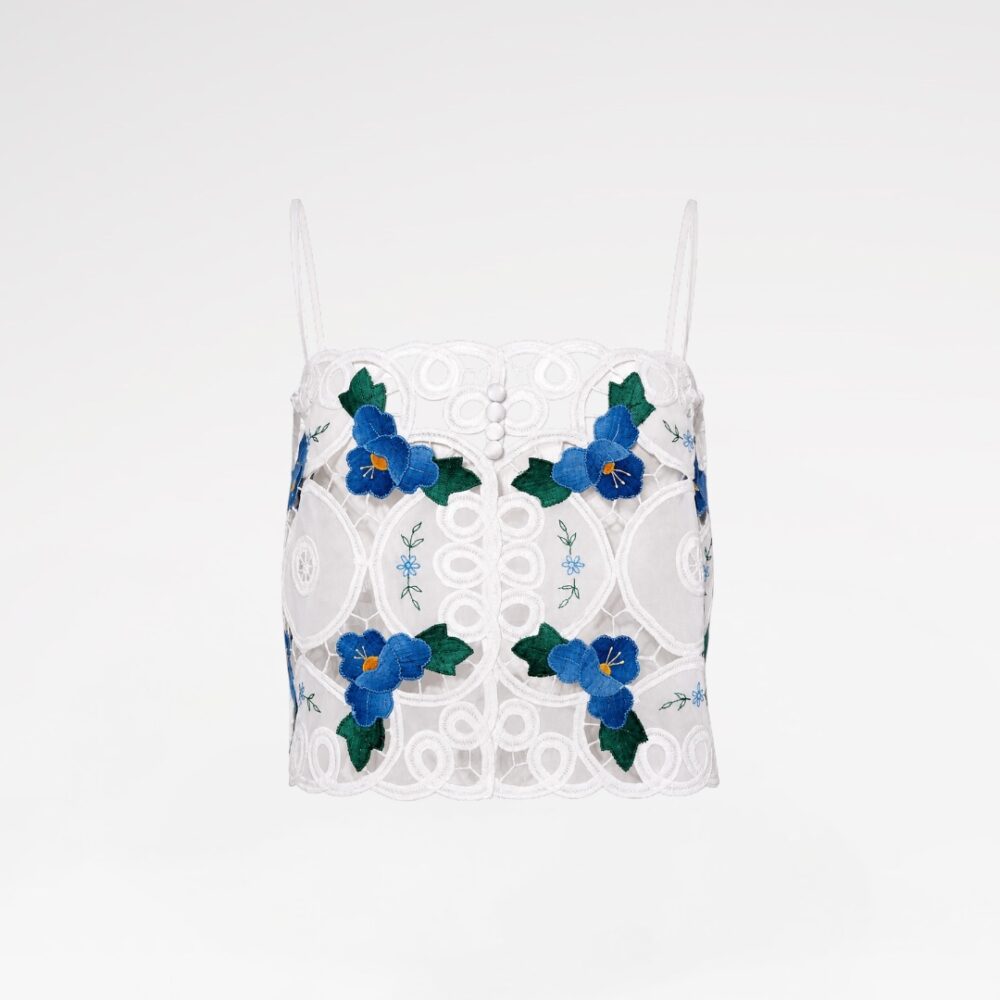
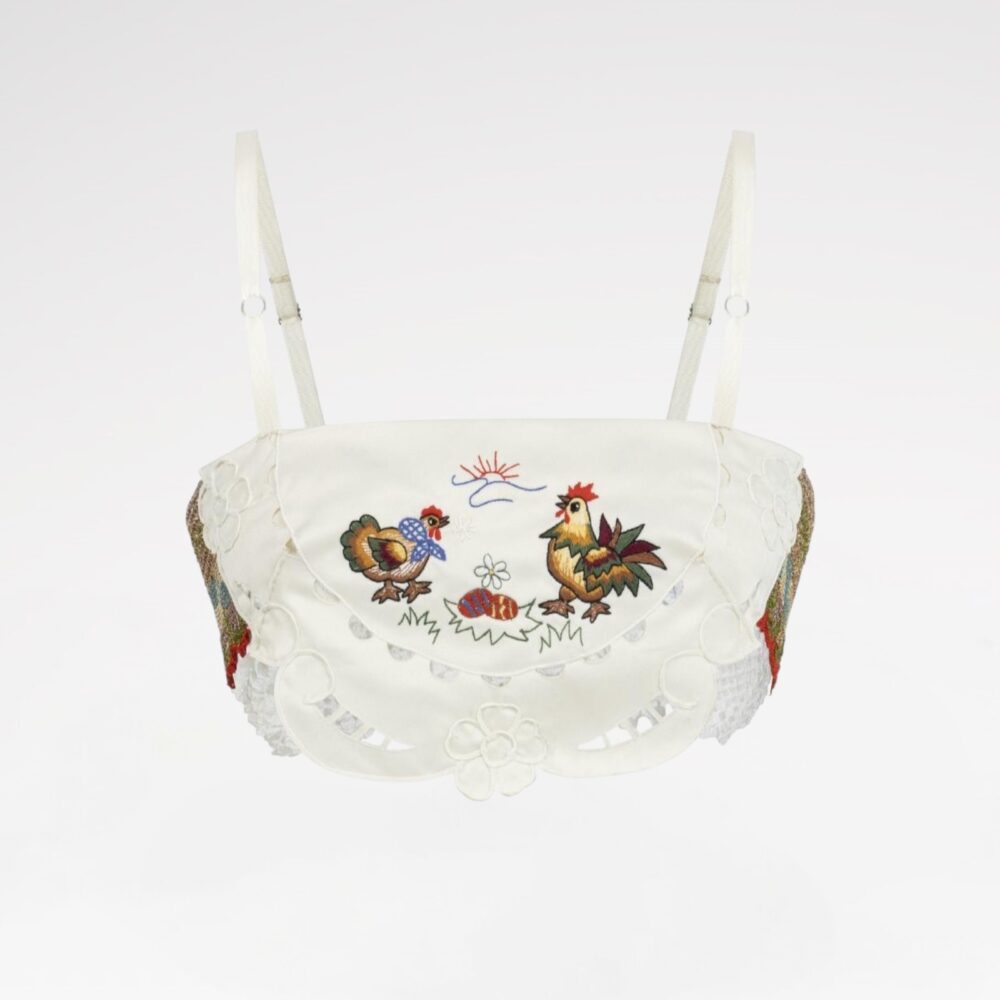
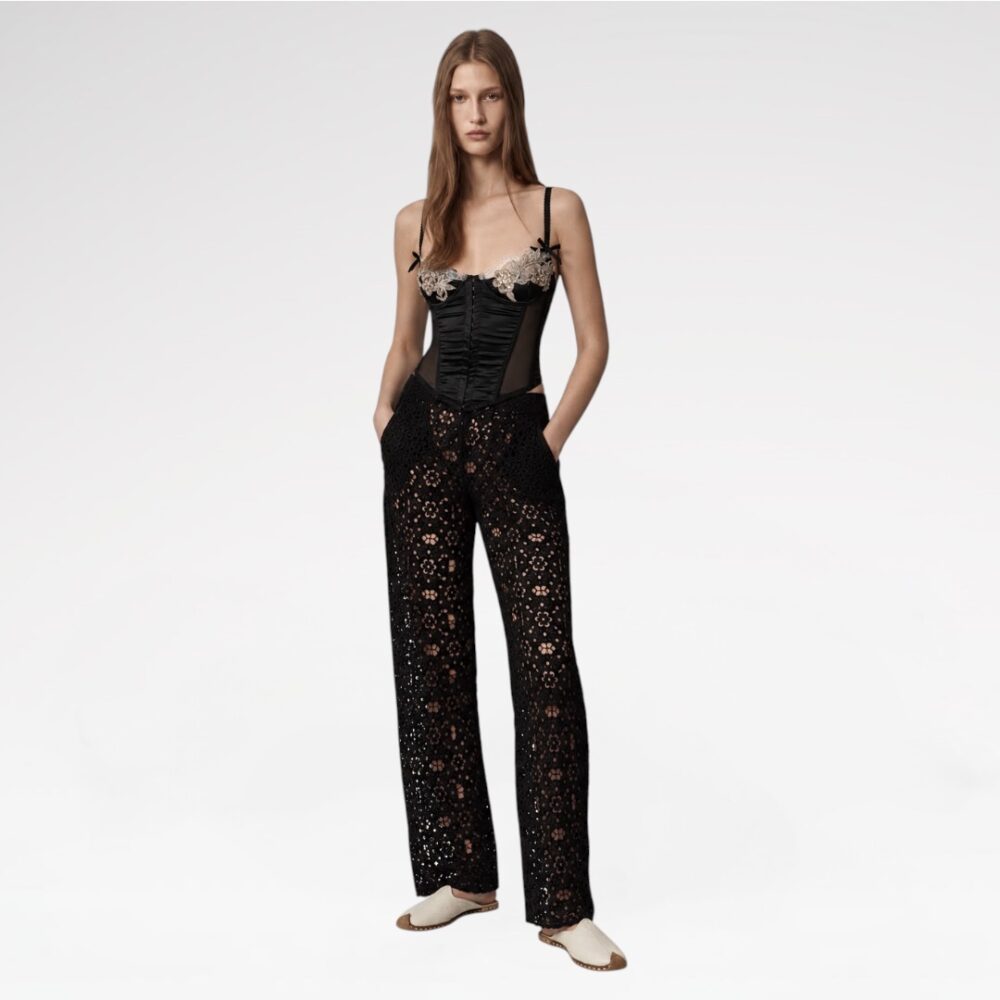
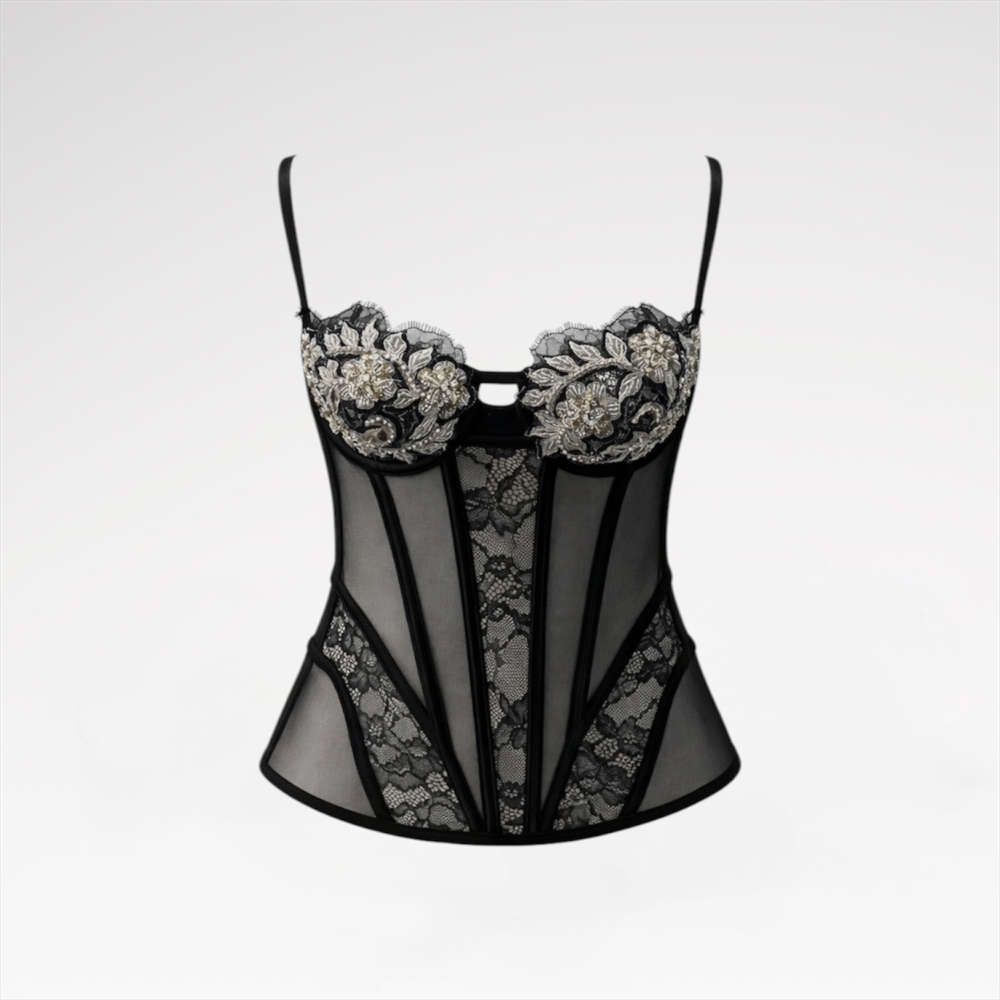
They begin as dowry textiles — cloth that was woven, embroidered and folded into a bride's chest, sometimes a century ago, and never worn. Lace panels, appliquéd bodices, hand-embroidered bustiers: each one is built around whatever that particular textile allows. A seam follows where the old cloth is strong. A neckline is cut where the embroidery ends.
This is why the collection cannot be repeated. There is no second metre of the same fabric, no reorder, no restock. When a piece sells, the design leaves with it.
Aslı Filinta has produced this way since 2016, when the brand launched its upcycling service and stopped treating fabric as something you order more of. In 2017 it left the season calendar entirely and limited production to the material already in hand. One-of-a-Kind is the clearest form of that decision: a garment defined by its constraint rather than by a collection plan.
What you choose here, no one else will wear.
Every piece in this collection exists only once.
They begin as dowry textiles — cloth that was woven, embroidered and folded into a bride’s chest, sometimes a century ago, and never worn. Lace panels, appliquéd bodices, hand-embroidered bustiers: each one is built around whatever that particular textile allows. A seam follows where the old cloth is strong. A neckline is cut where the embroidery ends.
This is why the collection cannot be repeated. There is no second metre of the same fabric, no reorder, no restock. When a piece sells, the design leaves with it.
Aslı Filinta has produced this way since 2016, when the brand launched its upcycling service and stopped treating fabric as something you order more of. In 2017 it left the season calendar entirely and limited production to the material already in hand. One-of-a-Kind is the clearest form of that decision: a garment defined by its constraint rather than by a collection plan.
What you choose here, no one else will wear.