Belts
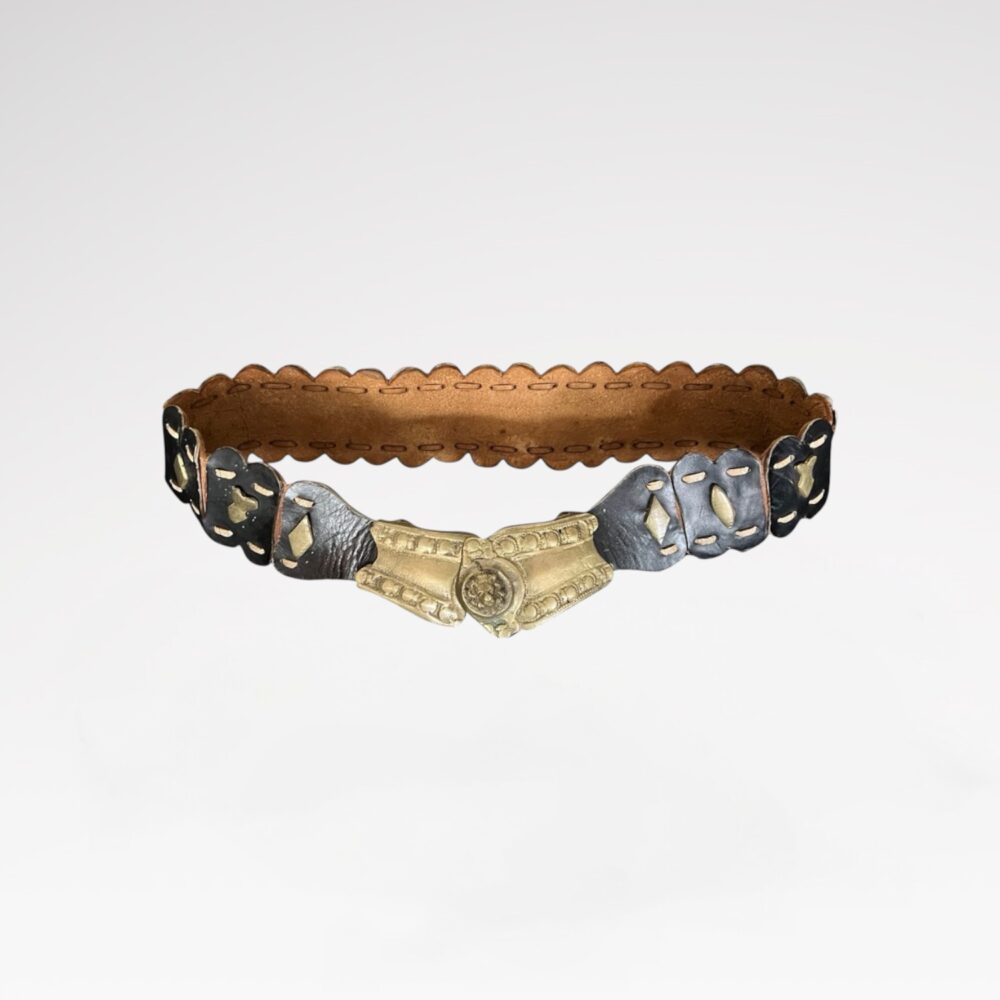
Belts worked by hand, one at a time.
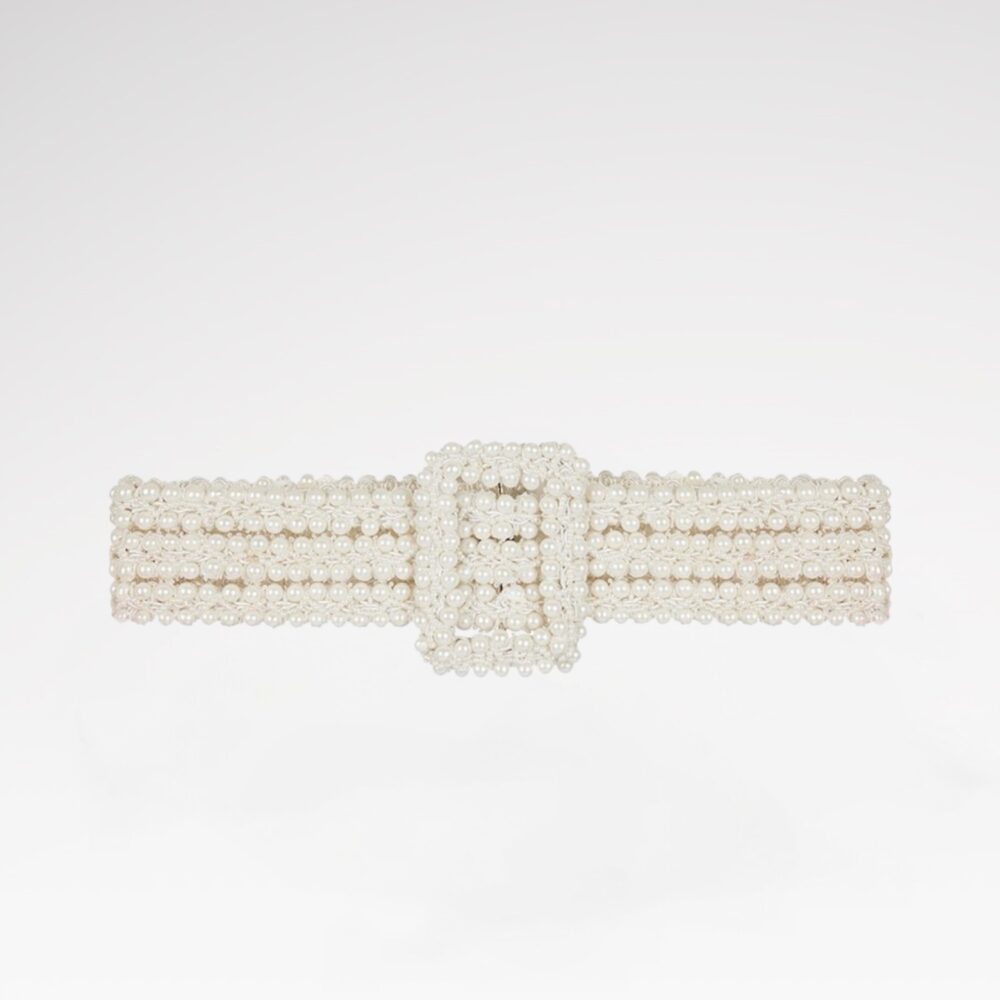
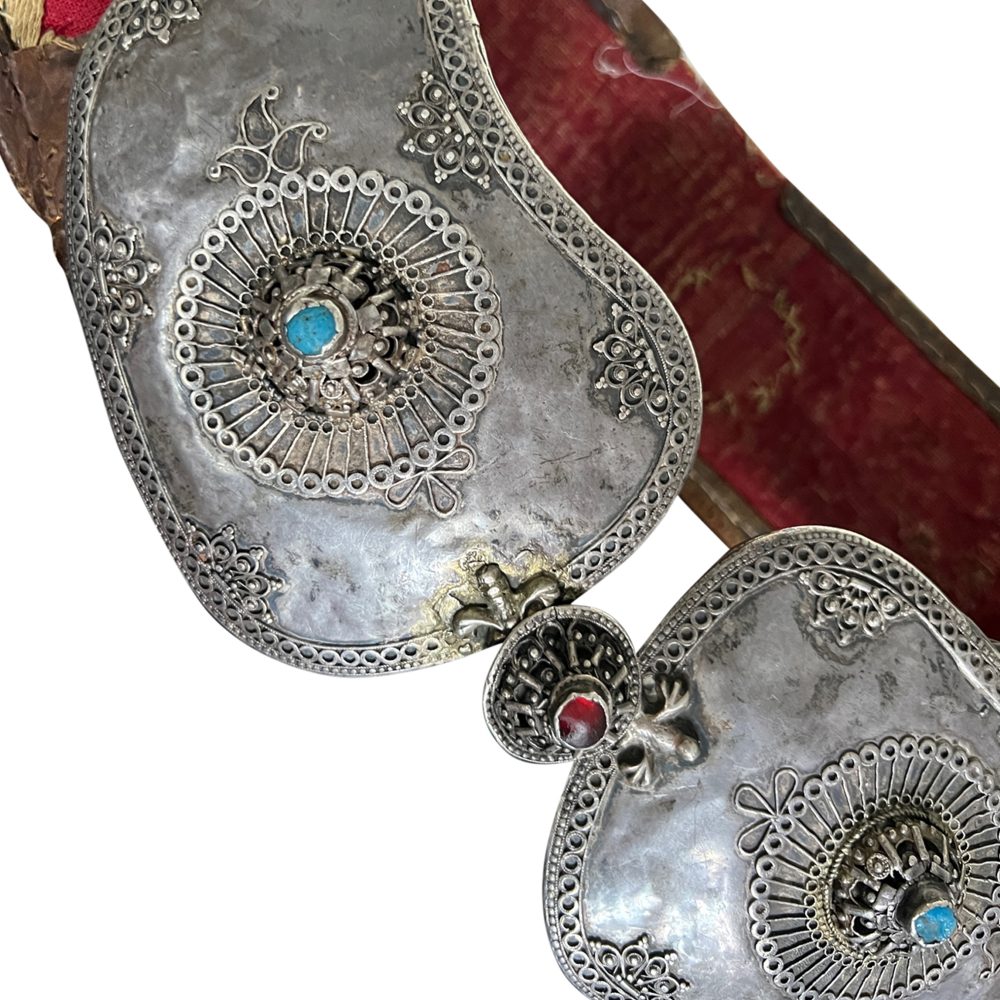
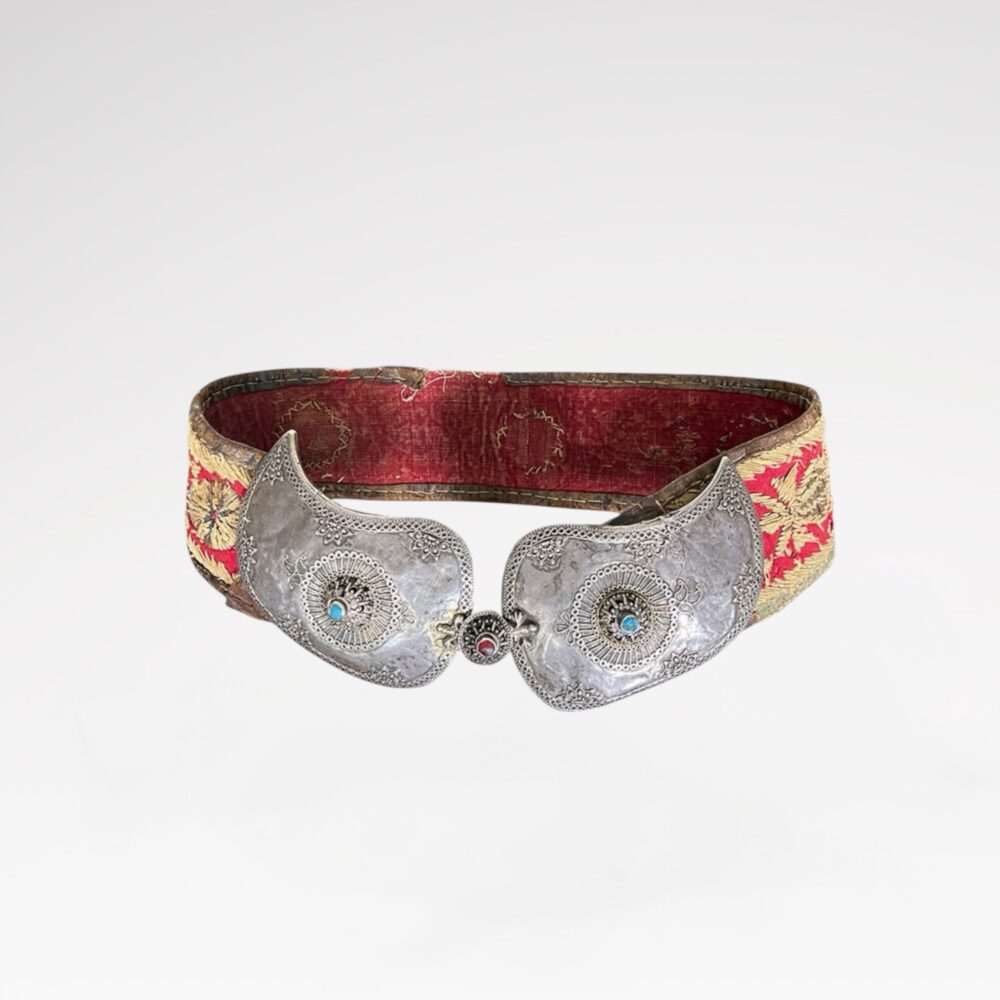
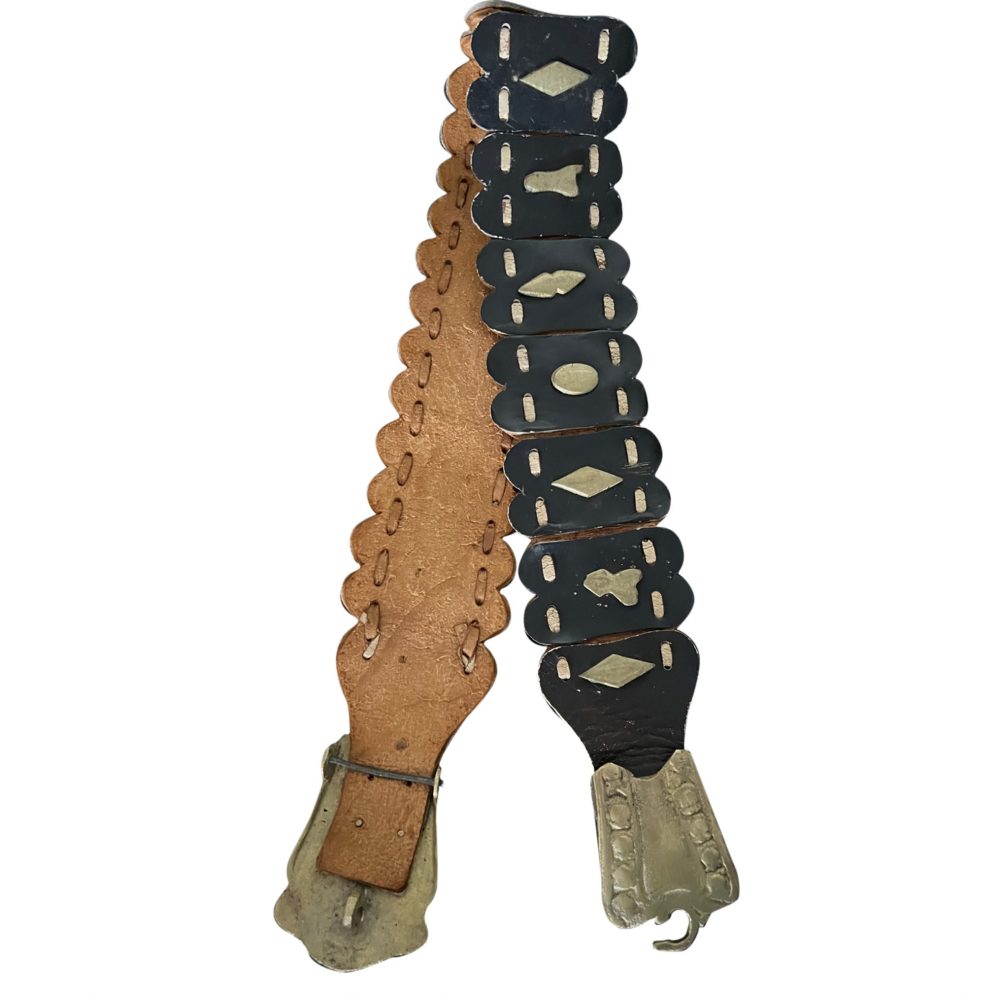
Pearl-embellished embroidery on one; on another, an antique woven band fitted with a silver buckle set with turquoise and coral. The bands are not reproductions — several are genuinely old, woven for a purpose that no longer exists, and rebuilt here as something wearable.
The stones are the ones Anatolian silversmiths have always reached for. Turquoise was worn against misfortune and to protect the wearer on a journey; coral stood for life and was given to brides and to children. Silver was preferred over gold in much of rural Anatolia because it could be worked in a village and because it was the metal a family actually owned.
A belt is a small object to carry that much history, which is roughly the argument for wearing one.
Belts worked by hand, one at a time.
Pearl-embellished embroidery on one; on another, an antique woven band fitted with a silver buckle set with turquoise and coral. The bands are not reproductions — several are genuinely old, woven for a purpose that no longer exists, and rebuilt here as something wearable.
The stones are the ones Anatolian silversmiths have always reached for. Turquoise was worn against misfortune and to protect the wearer on a journey; coral stood for life and was given to brides and to children. Silver was preferred over gold in much of rural Anatolia because it could be worked in a village and because it was the metal a family actually owned.
A belt is a small object to carry that much history, which is roughly the argument for wearing one.