Trousers & Skirts
The shalwar is one of Anatolia's oldest garments and one of its most practical.
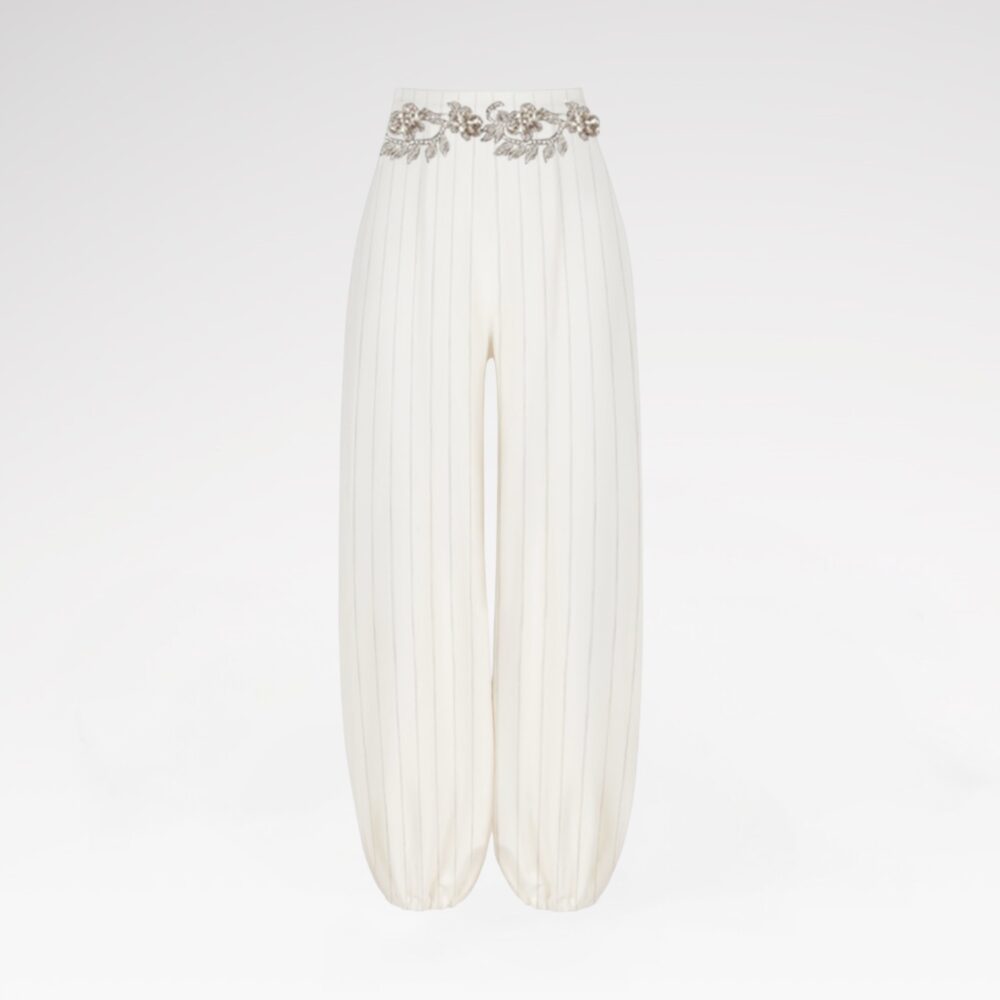
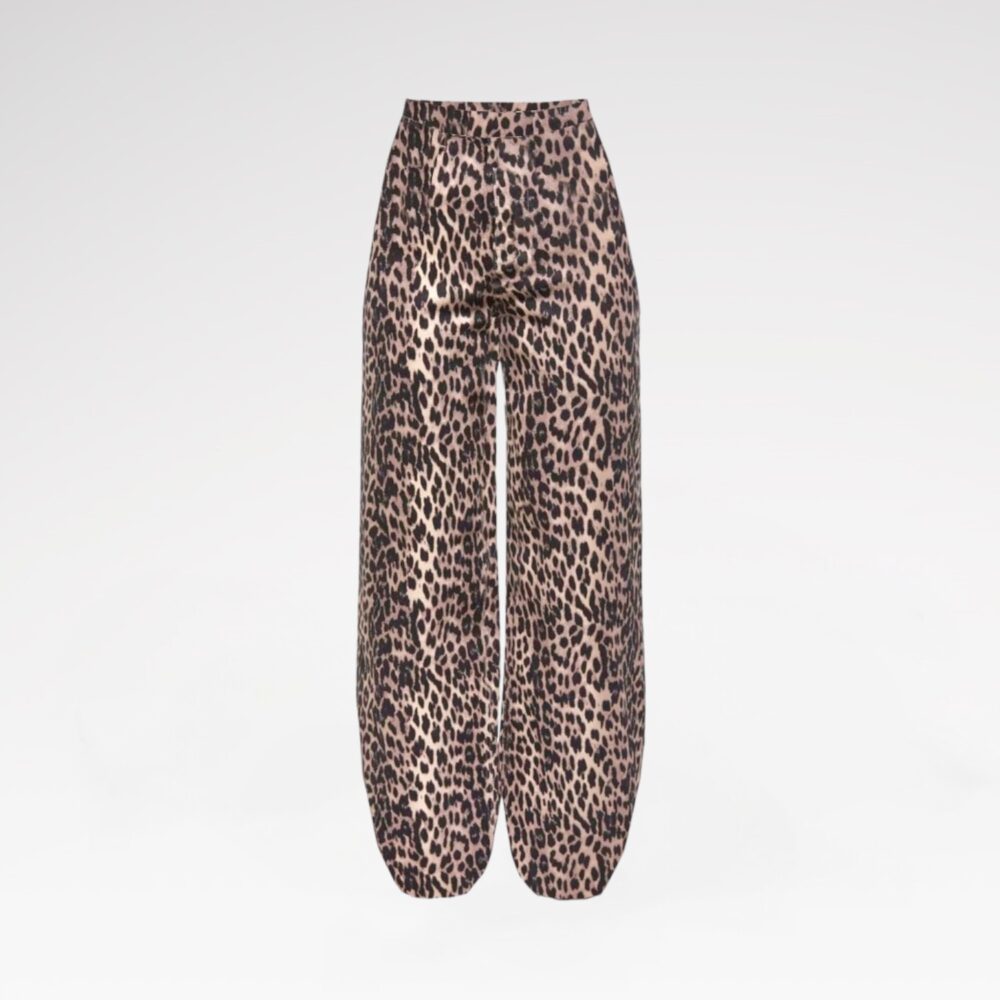
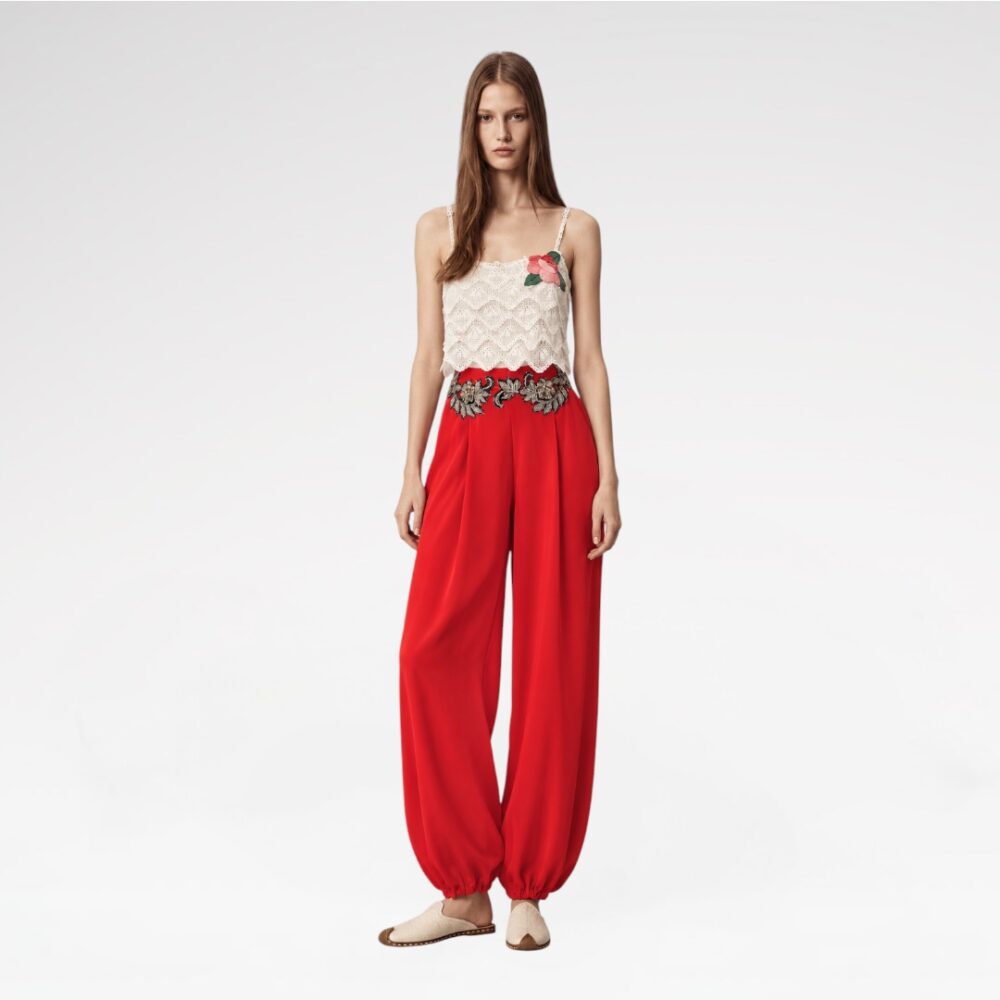
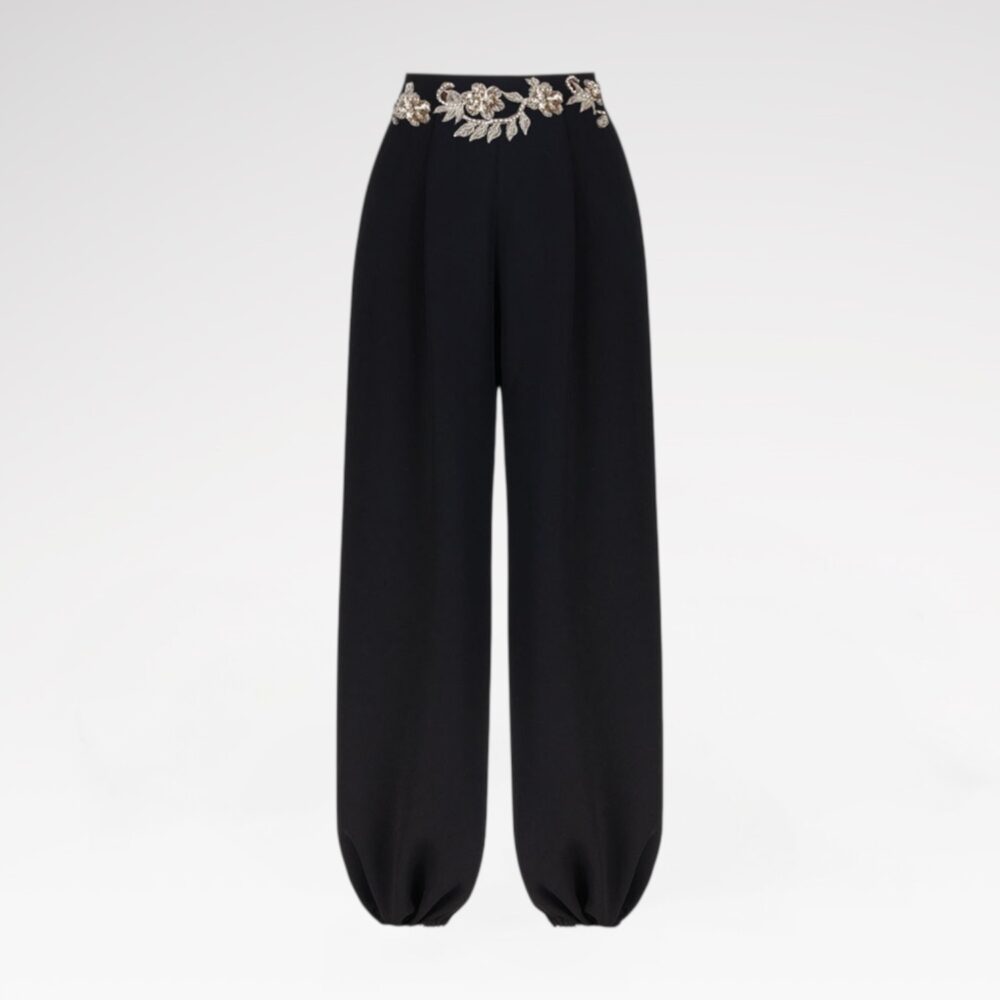
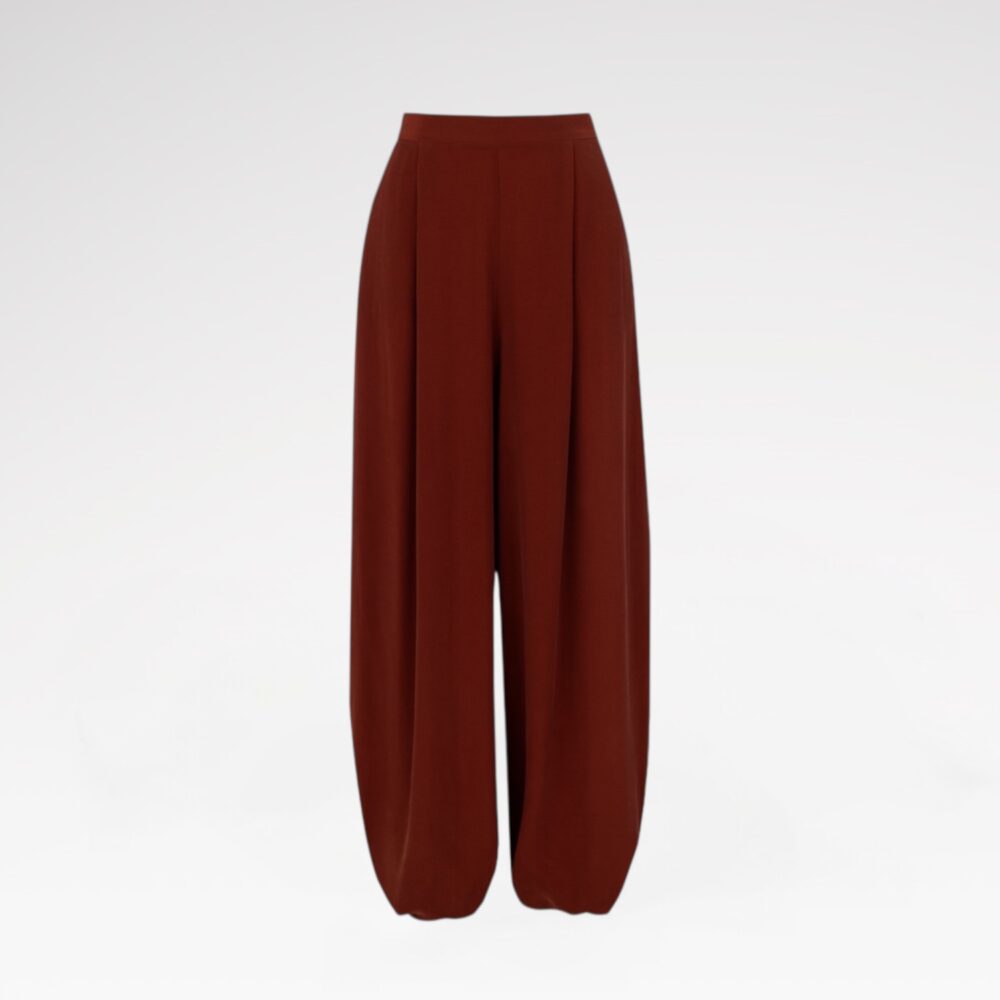
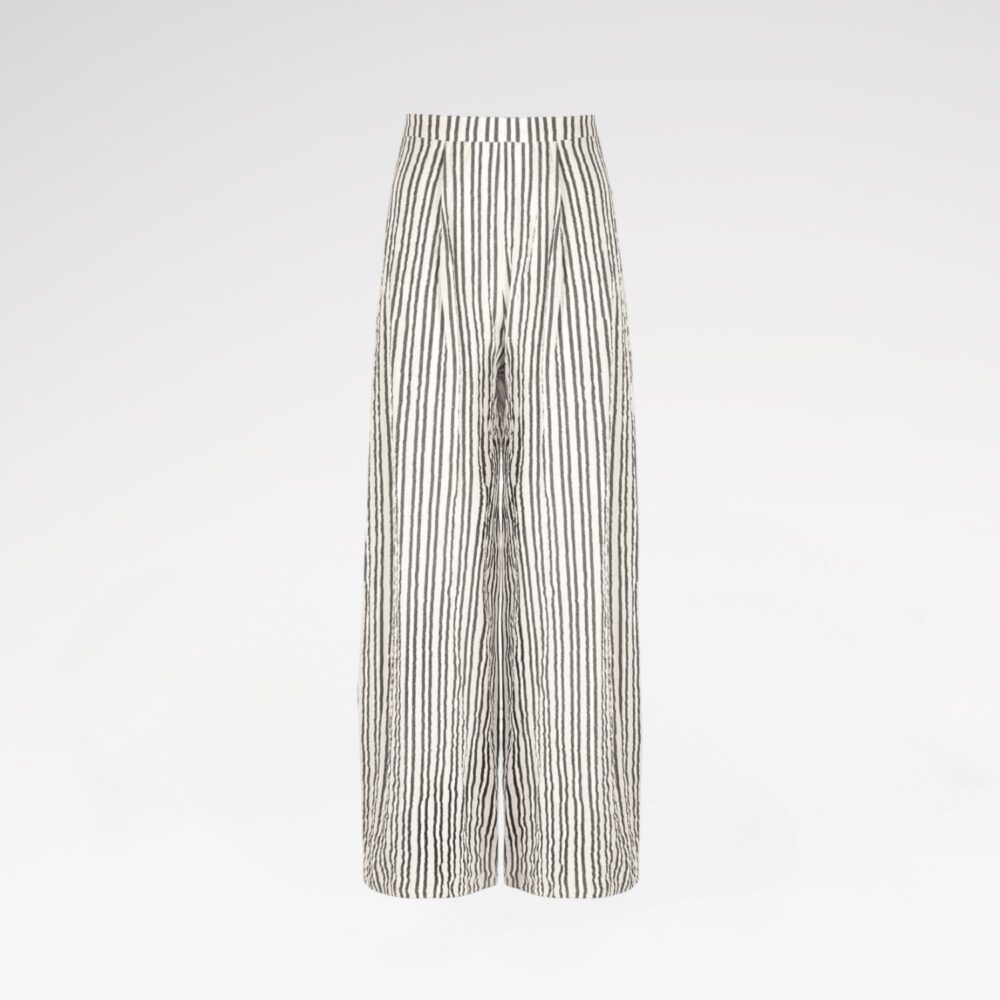
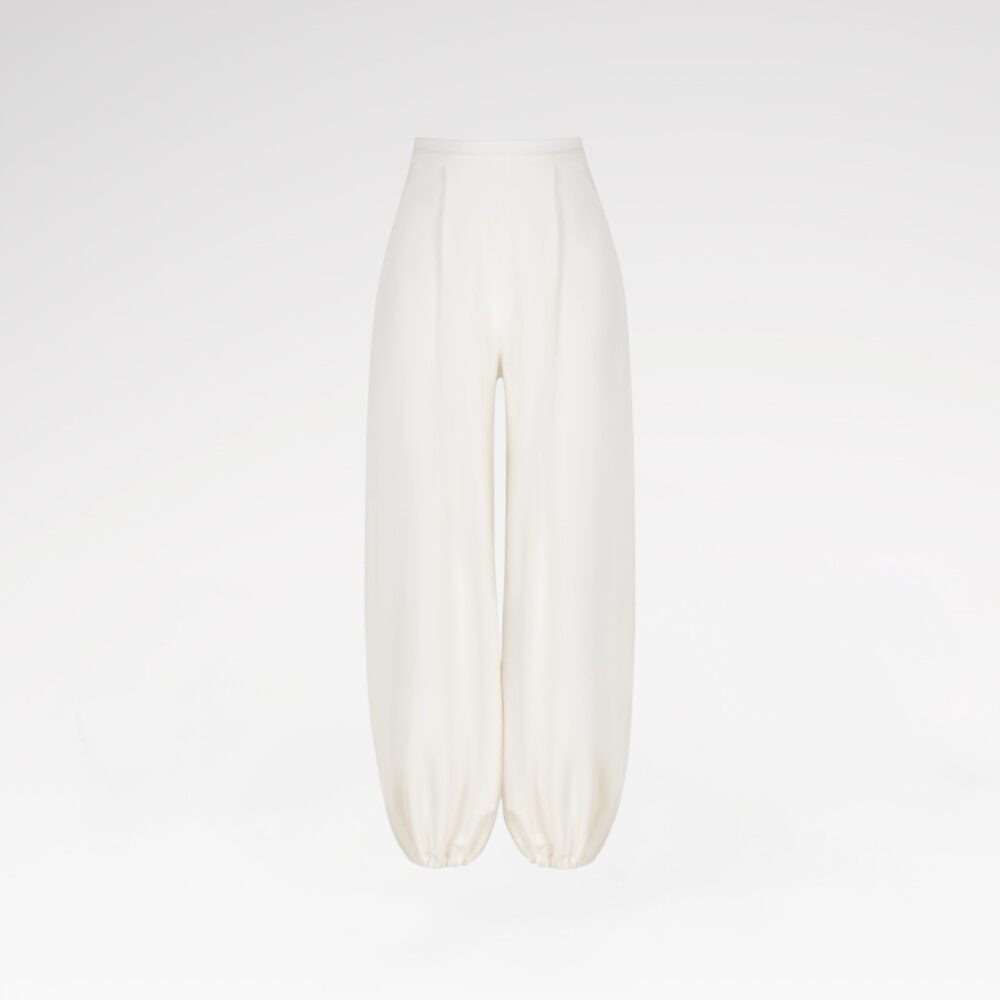
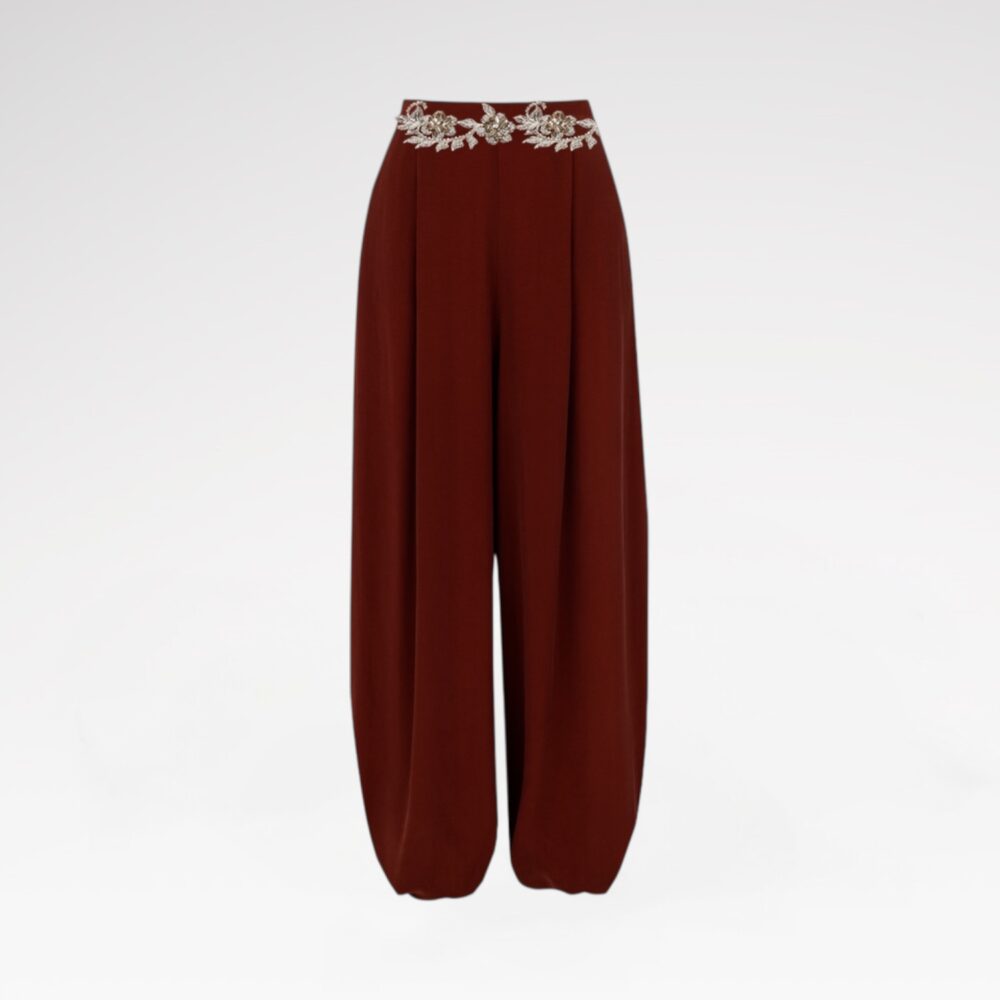
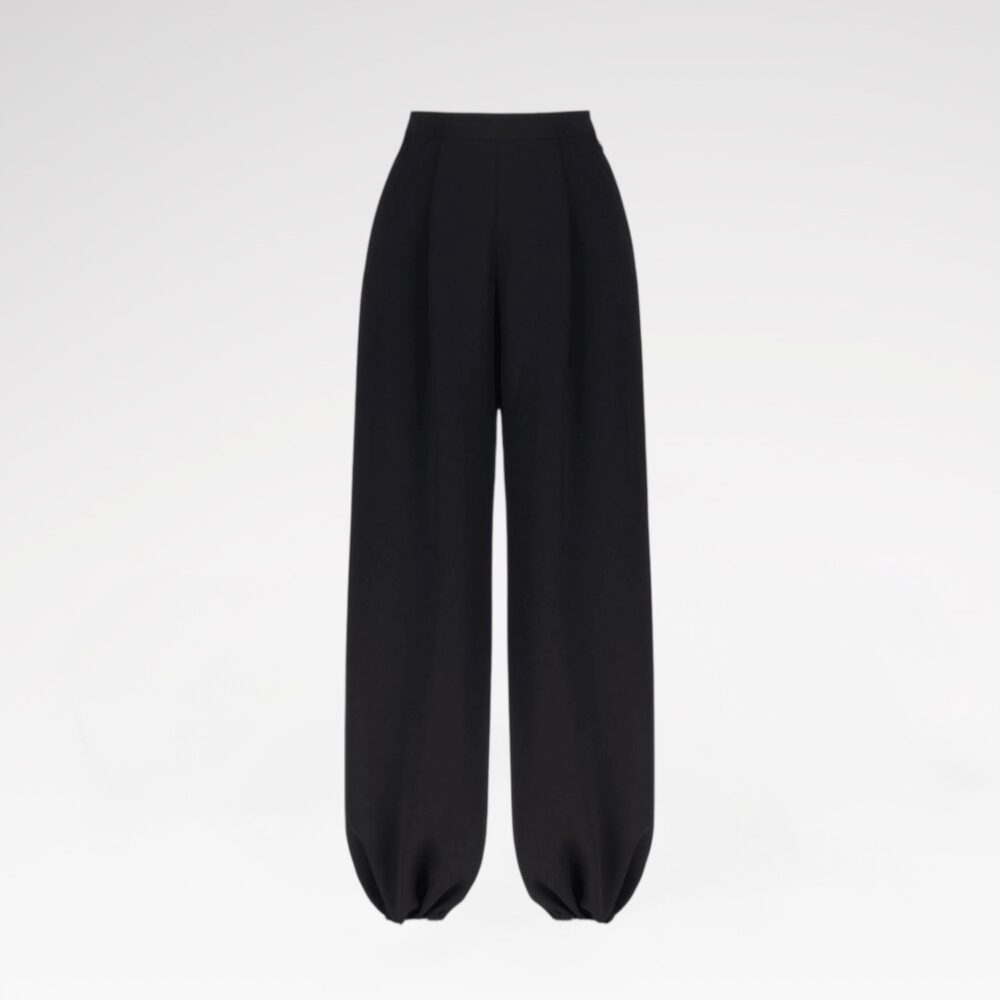
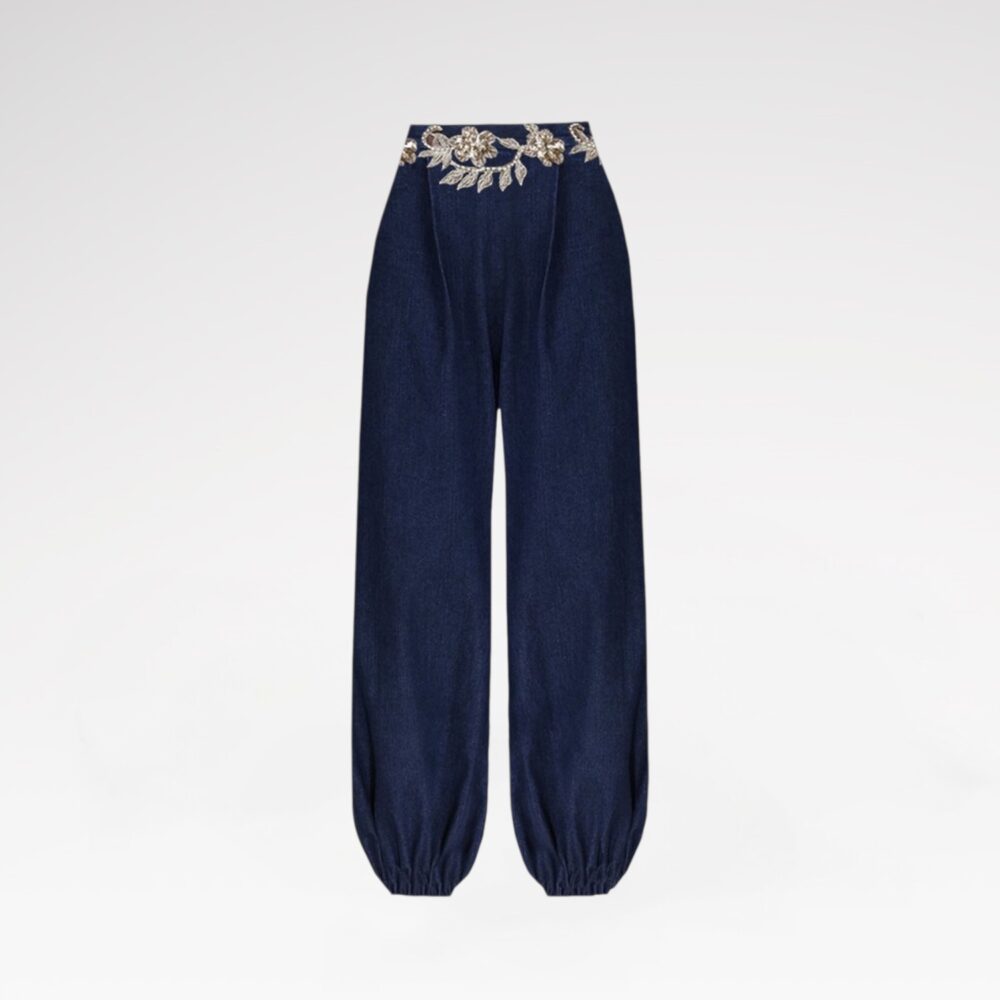
Cut wide through the leg, gathered at the waist, dropped at the seat — it was made for sitting on the ground, for working, for heat and for cold, and it was worn by everyone. It shapes nothing. It moves with whoever is inside it.
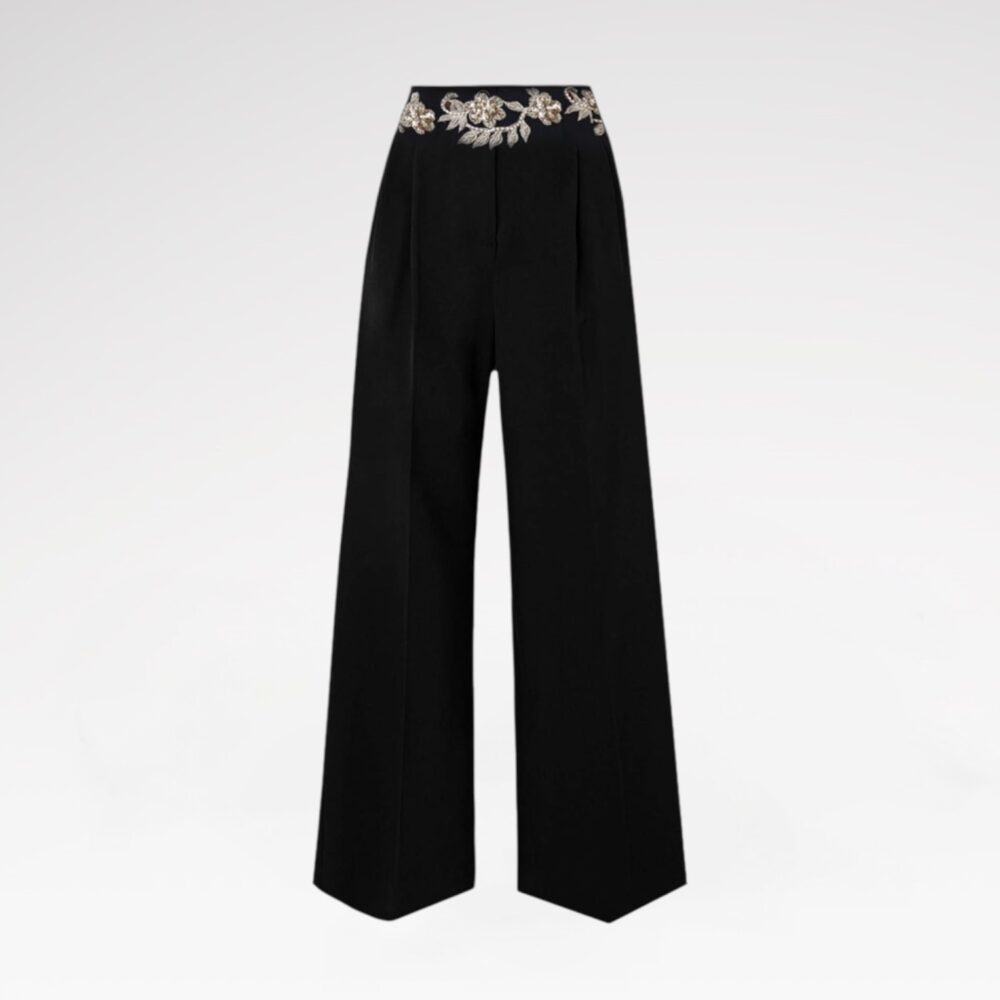
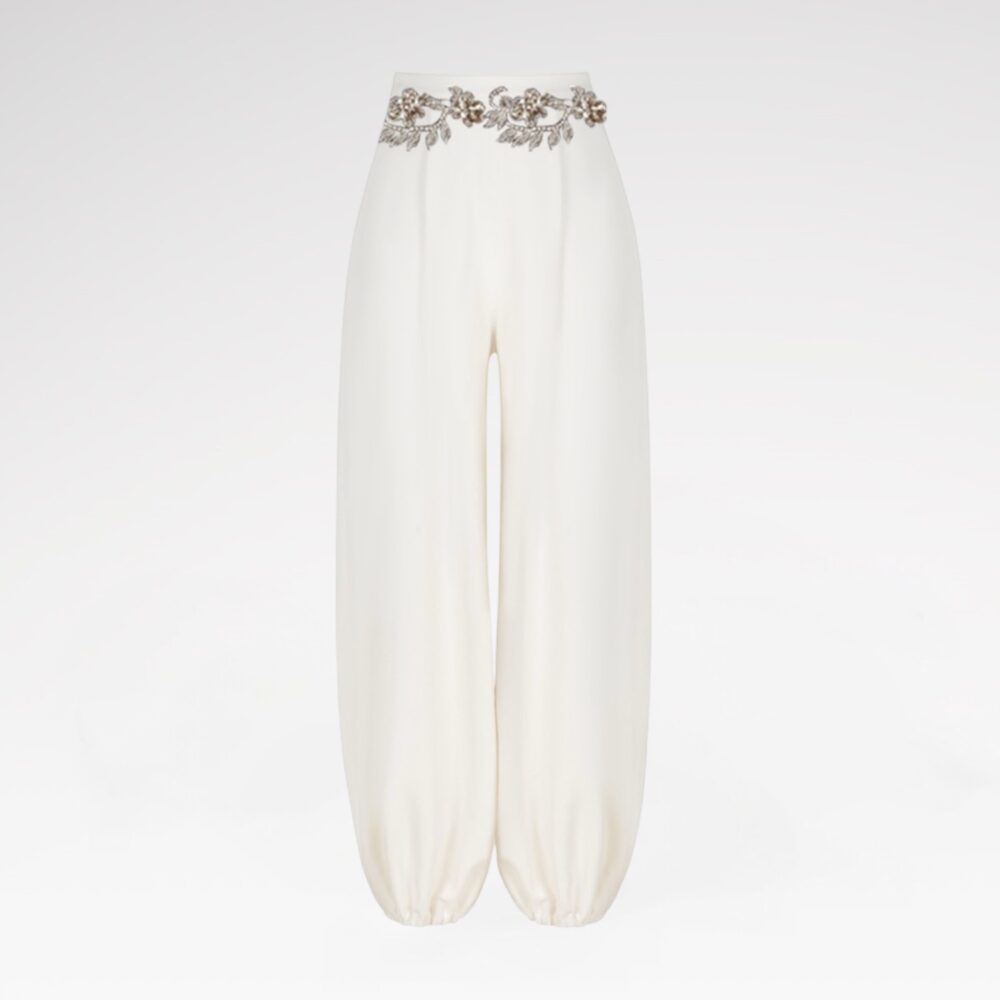
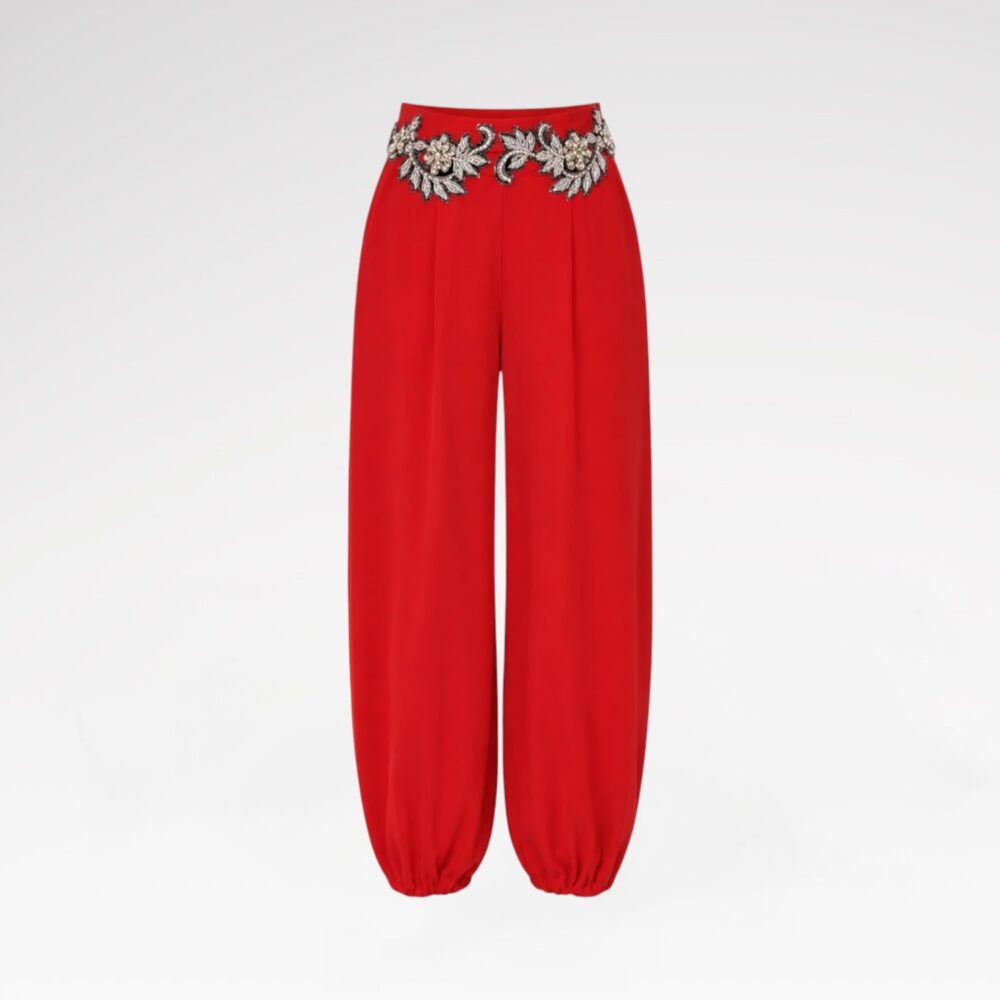
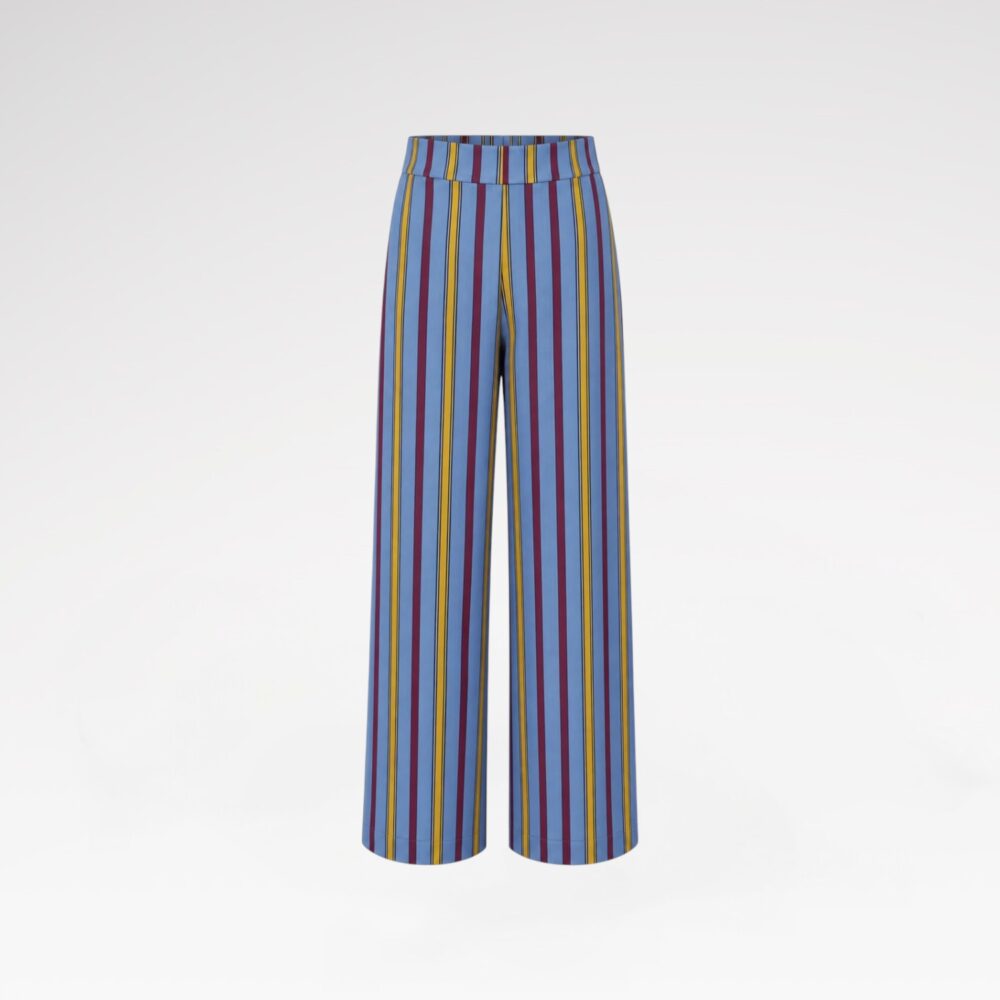
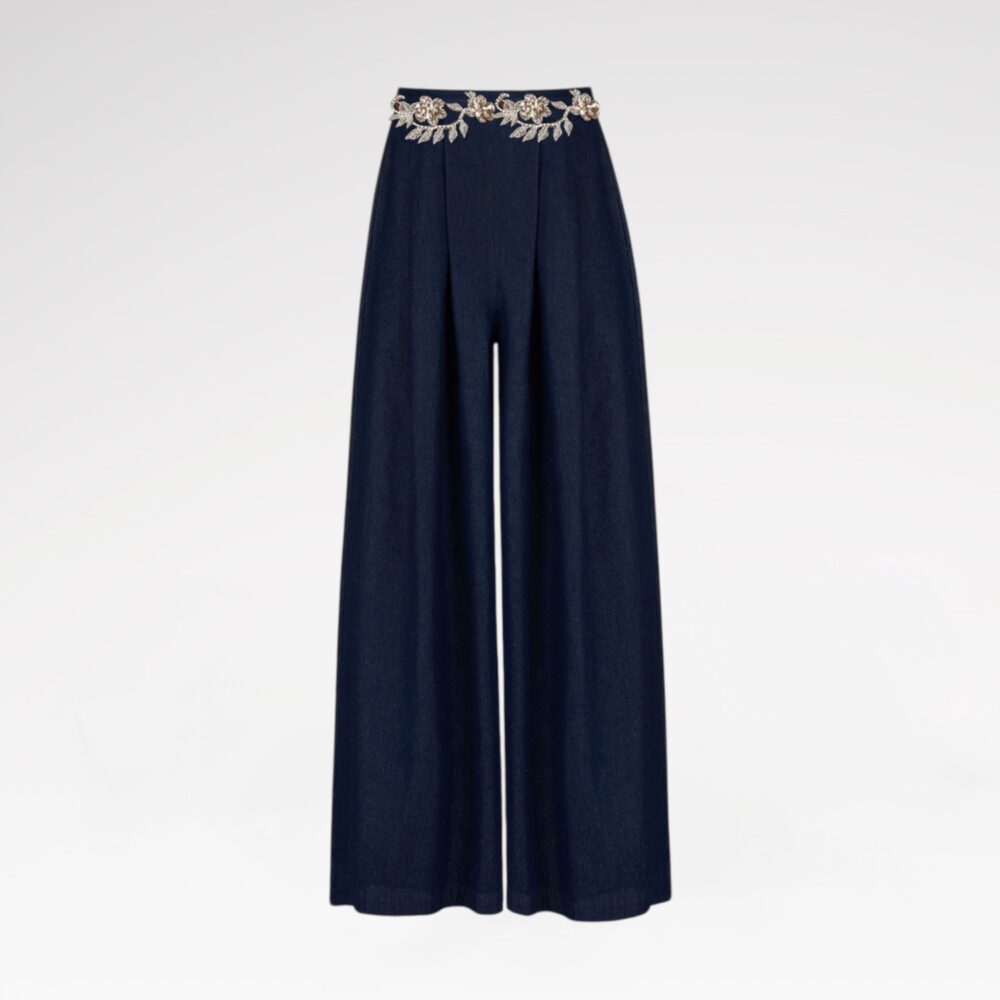
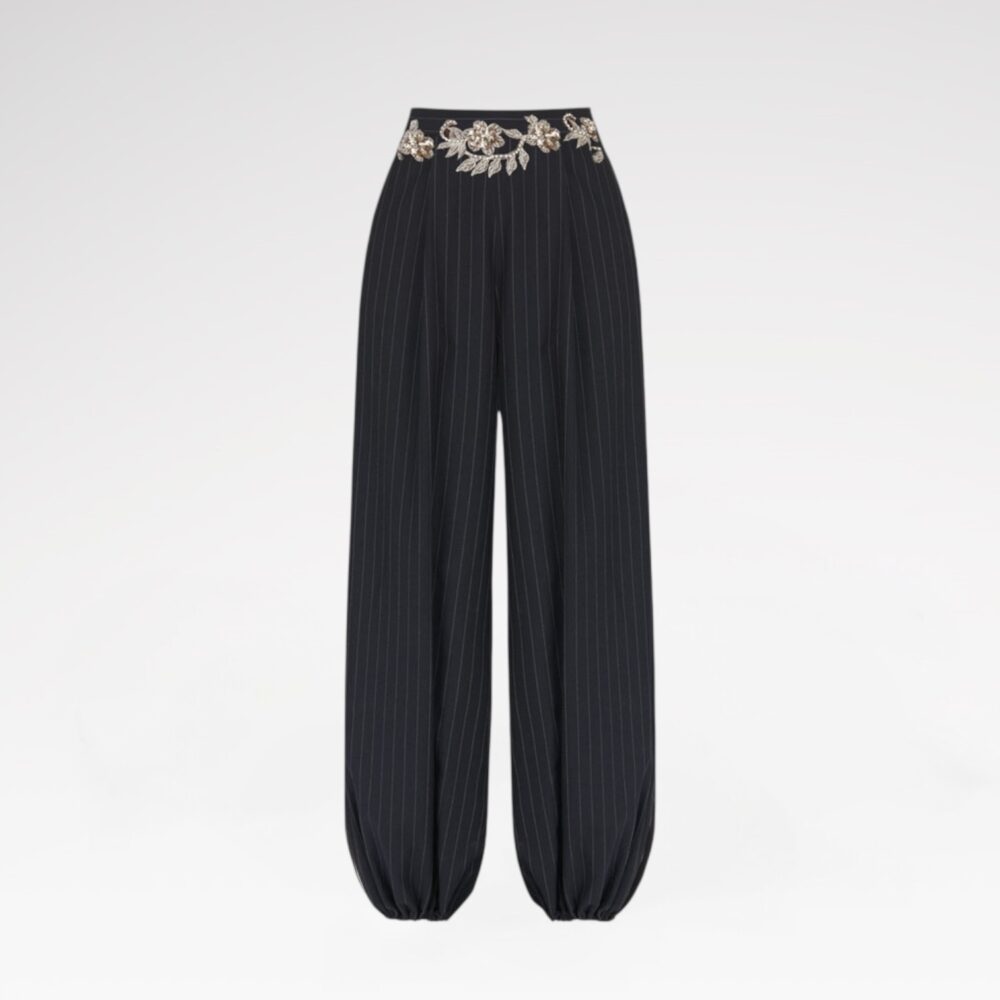
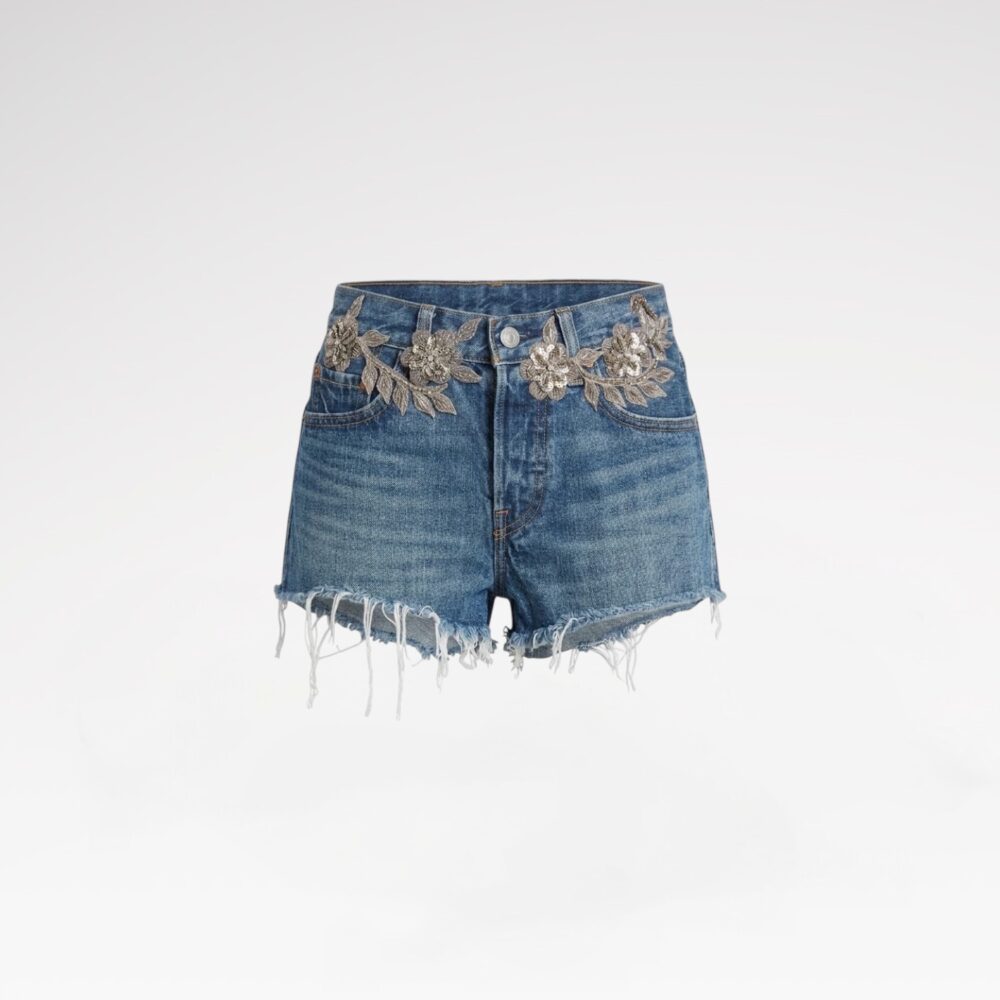
Most contemporary versions narrow the cut until the logic disappears. These keep the original proportions and add hand embroidery, worked after the trousers are made so the stitching runs along the seams rather than across a printed pattern.
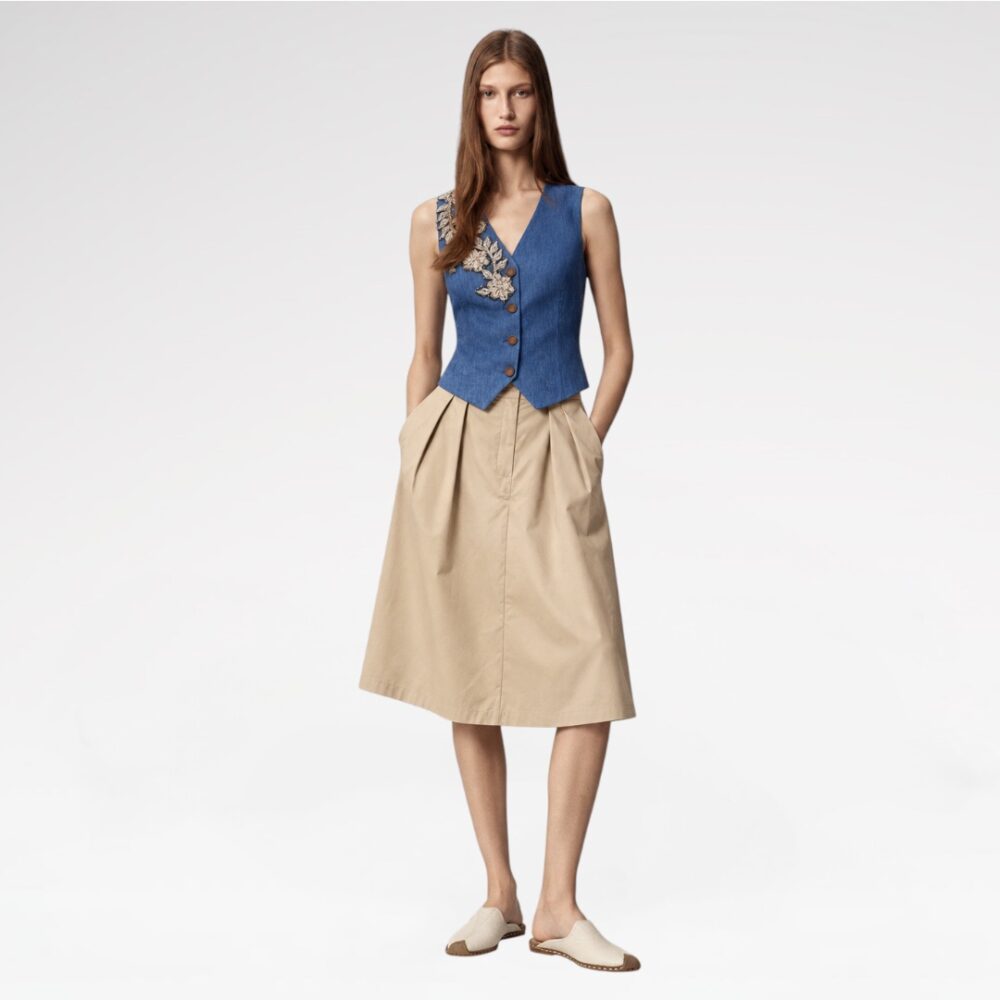
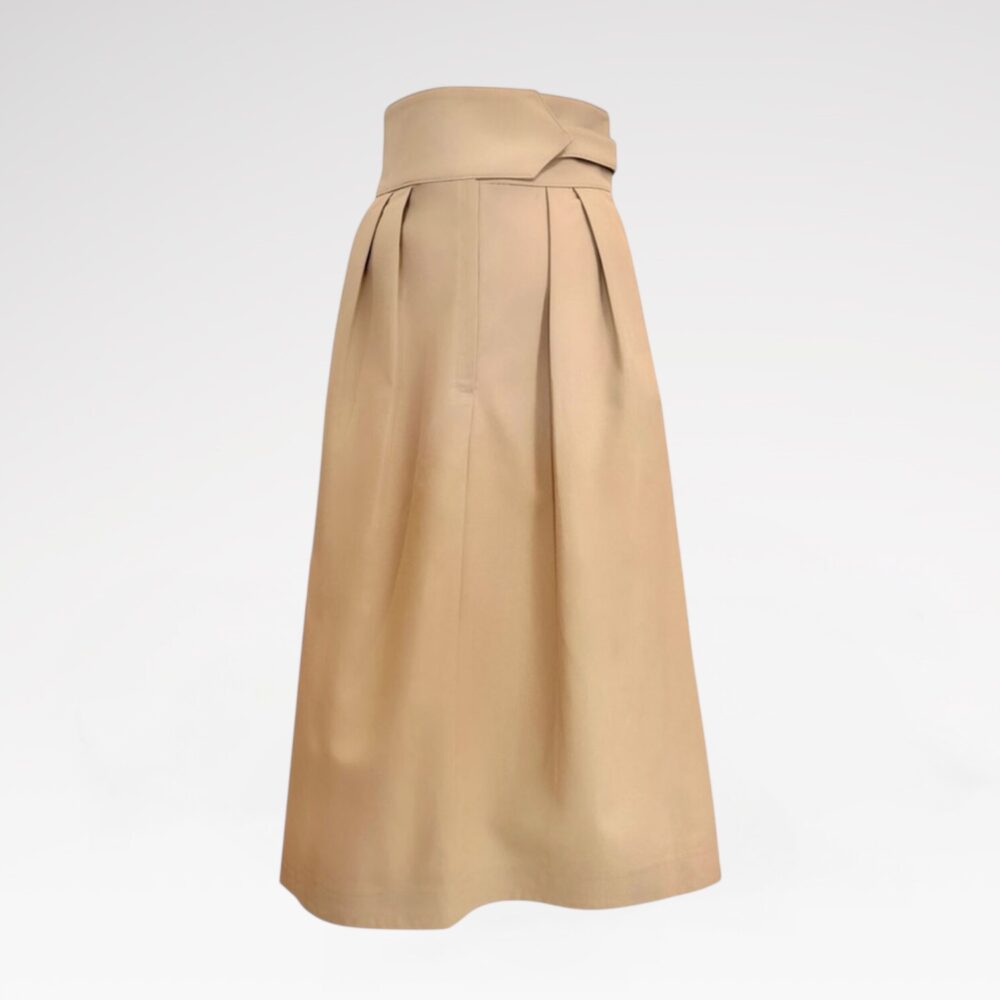
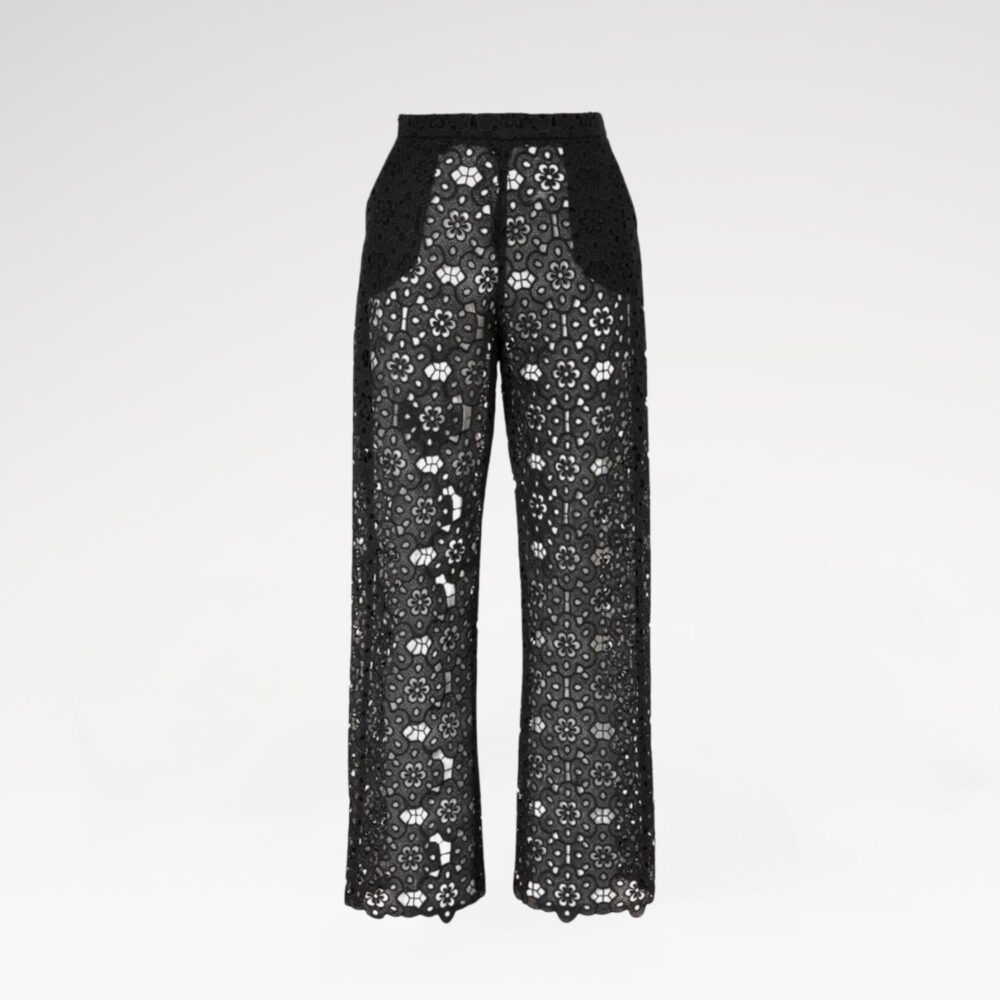
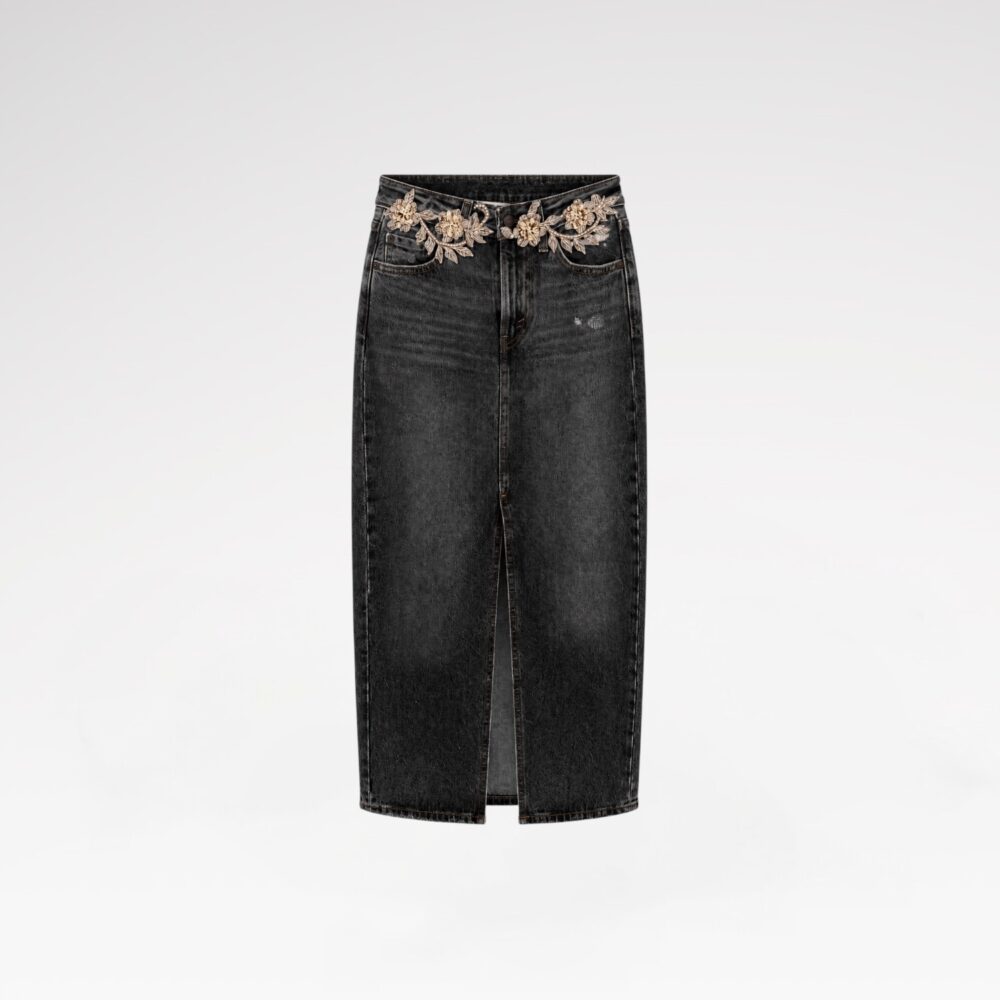
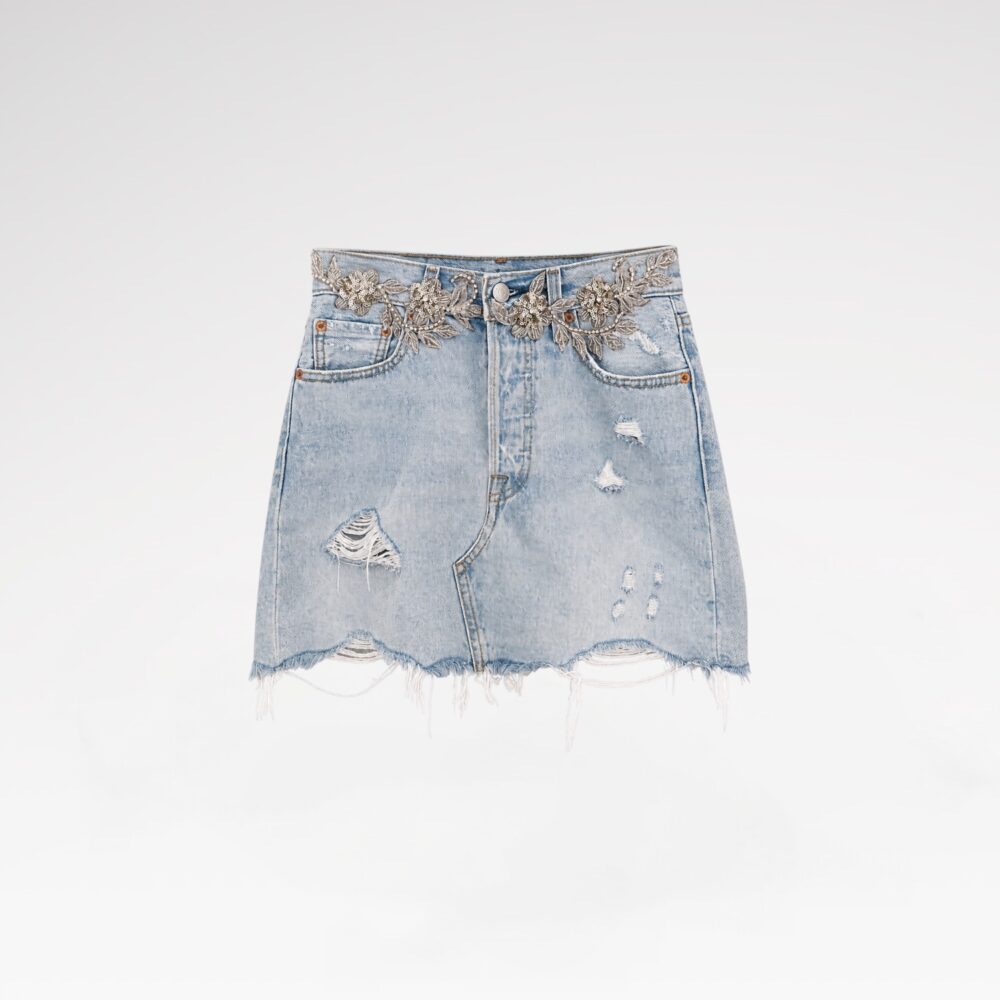
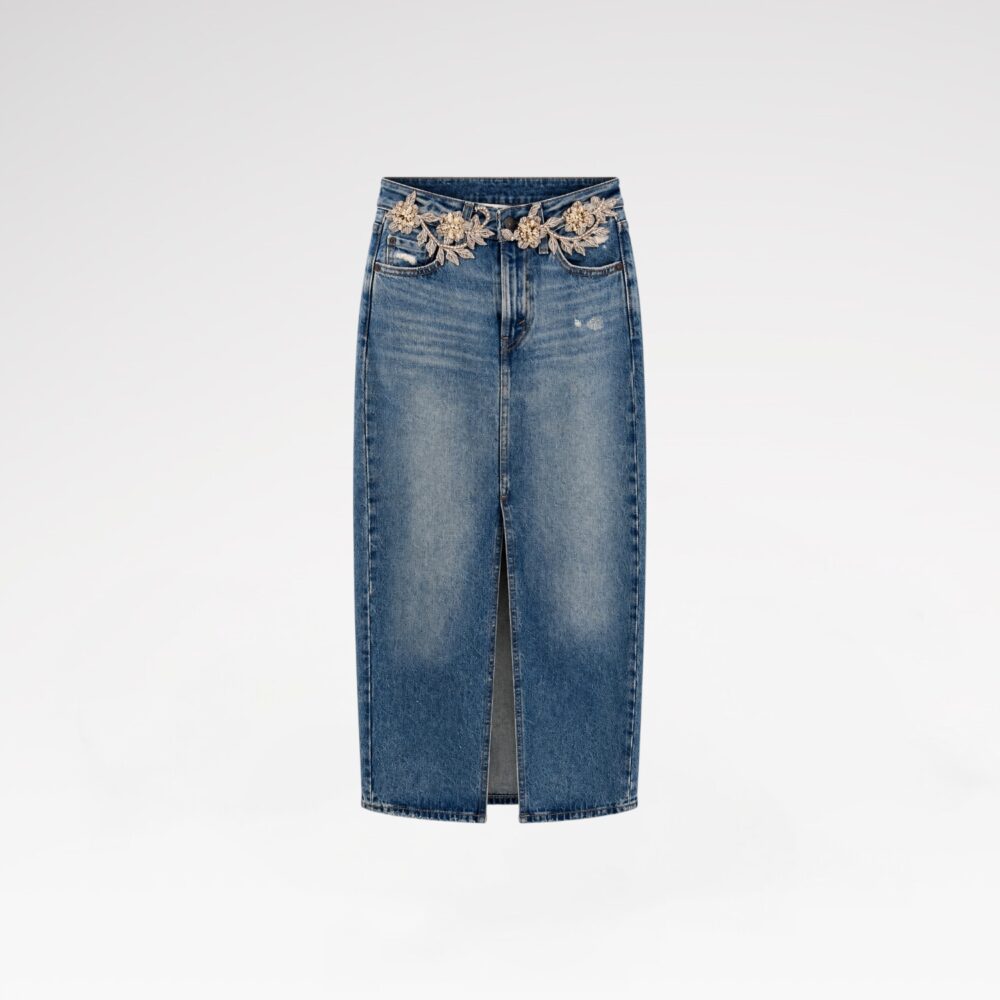
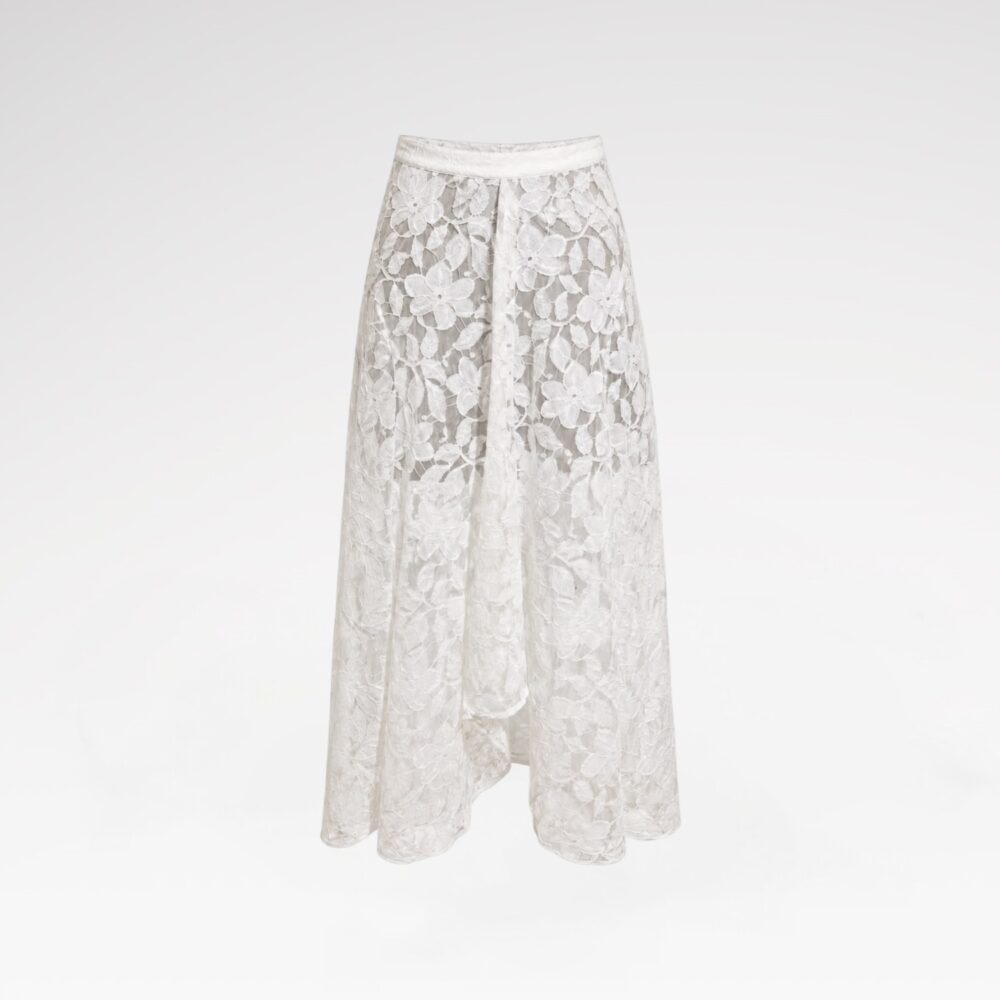
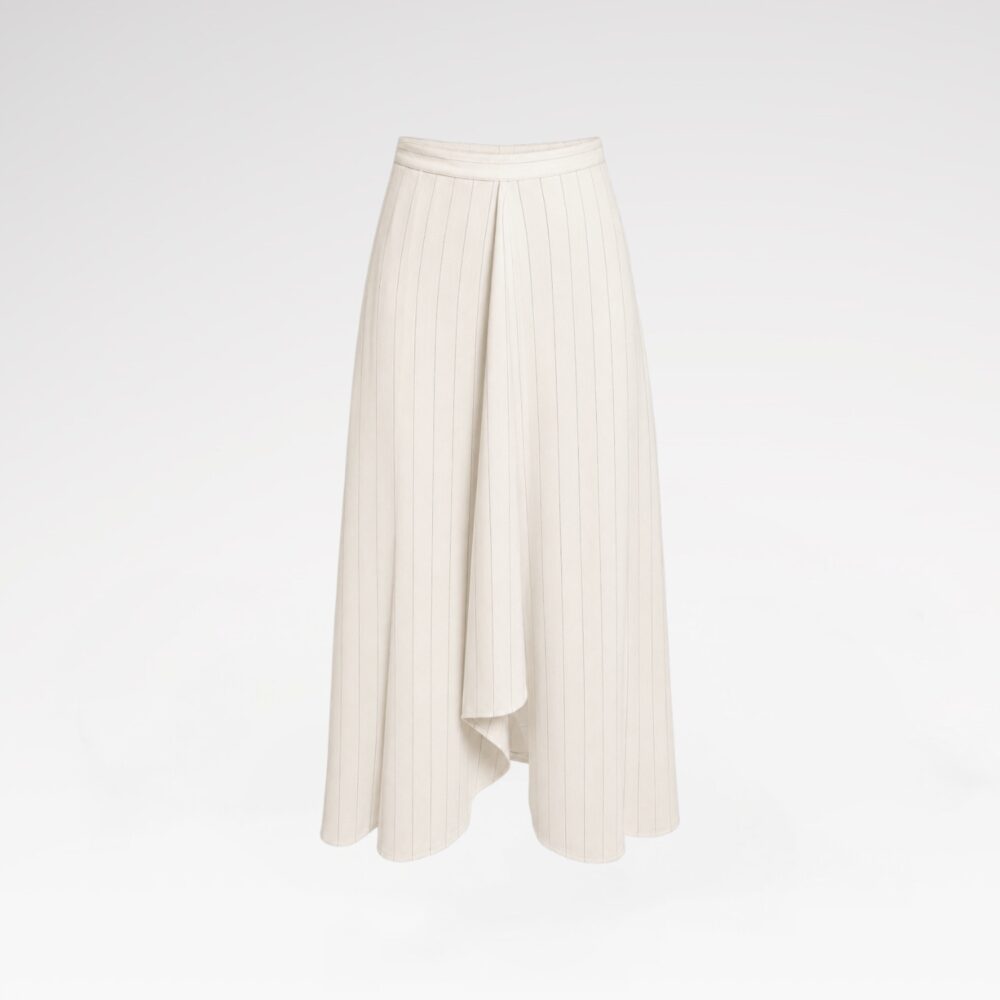
The skirts follow the same principle. Pleated midi cuts and lace panels are built for movement first and decoration second — the order that Anatolian dress has always used, and the order most fashion reverses.
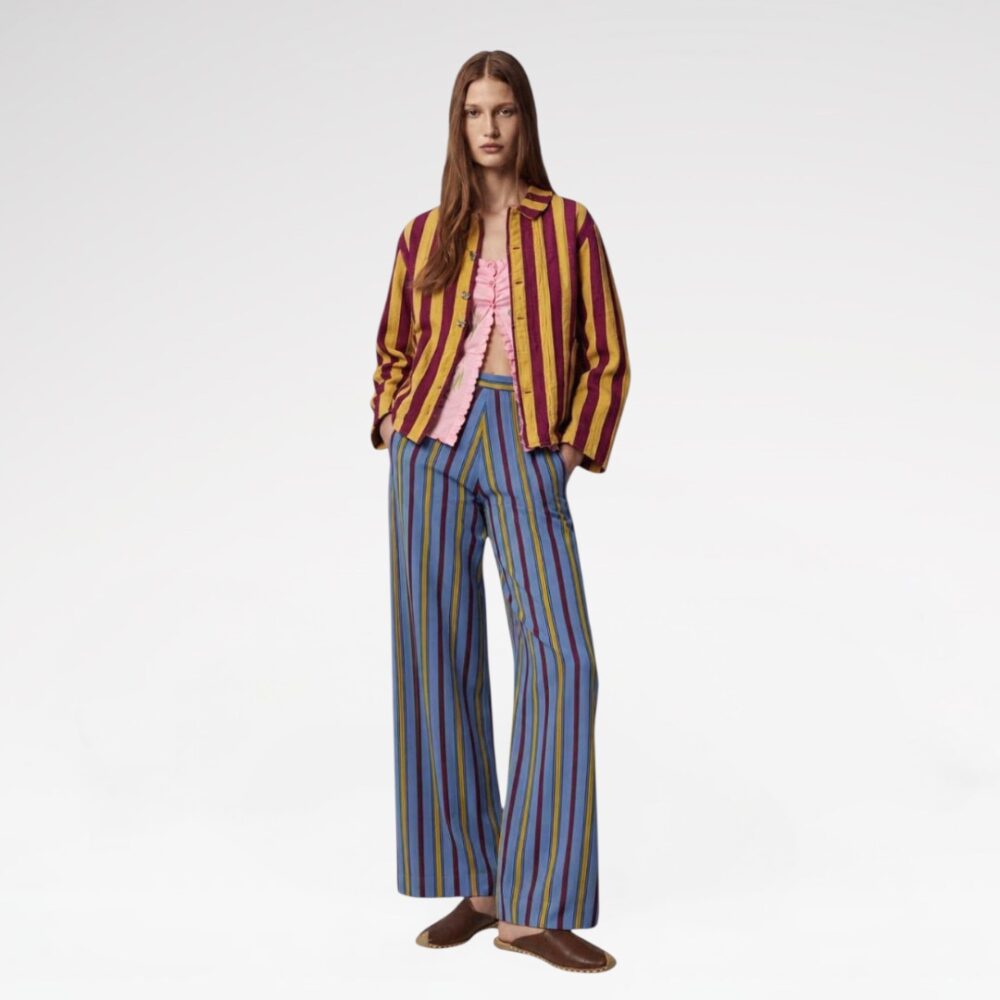
Several pieces here come from remaining fabric stock rather than from new orders, so a colourway may exist in four sizes or in one.
The shalwar is one of Anatolia’s oldest garments and one of its most practical.
Cut wide through the leg, gathered at the waist, dropped at the seat — it was made for sitting on the ground, for working, for heat and for cold, and it was worn by everyone. It shapes nothing. It moves with whoever is inside it.
Most contemporary versions narrow the cut until the logic disappears. These keep the original proportions and add hand embroidery, worked after the trousers are made so the stitching runs along the seams rather than across a printed pattern.
The skirts follow the same principle. Pleated midi cuts and lace panels are built for movement first and decoration second — the order that Anatolian dress has always used, and the order most fashion reverses.
Several pieces here come from remaining fabric stock rather than from new orders, so a colourway may exist in four sizes or in one.