Shoes
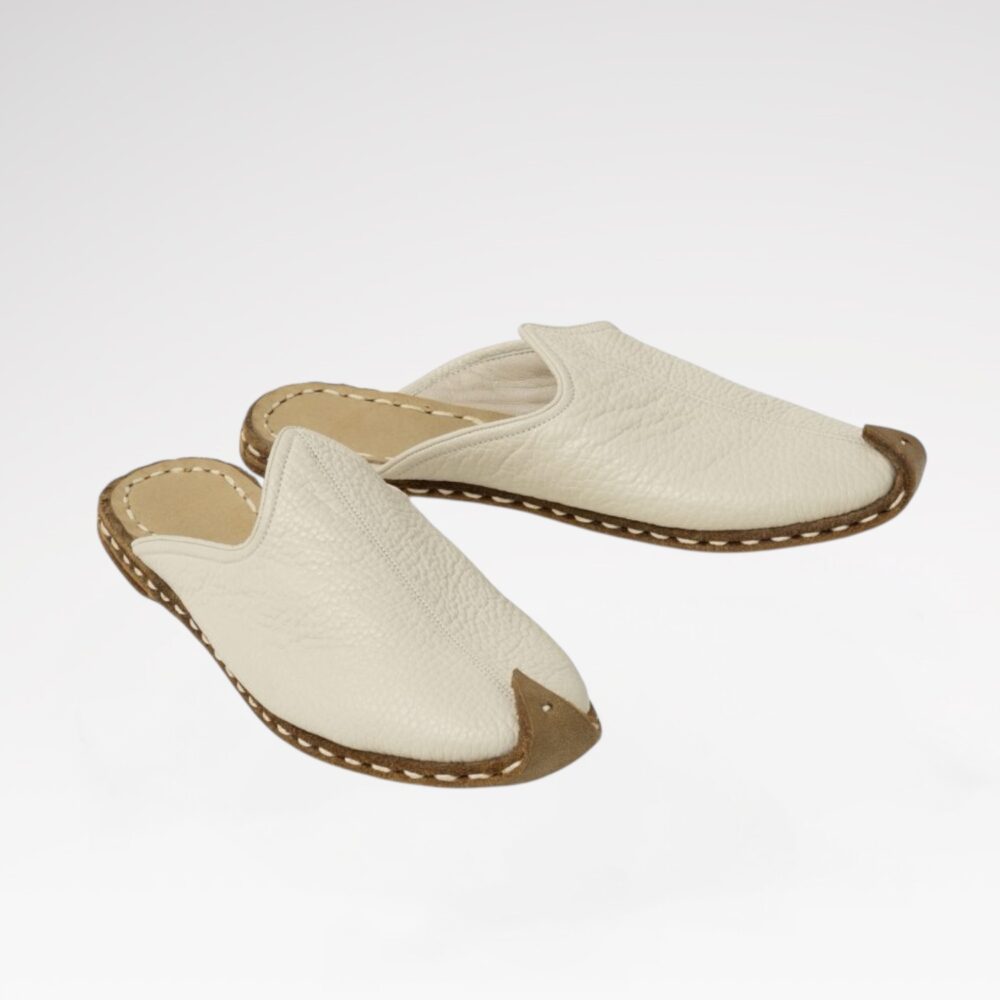
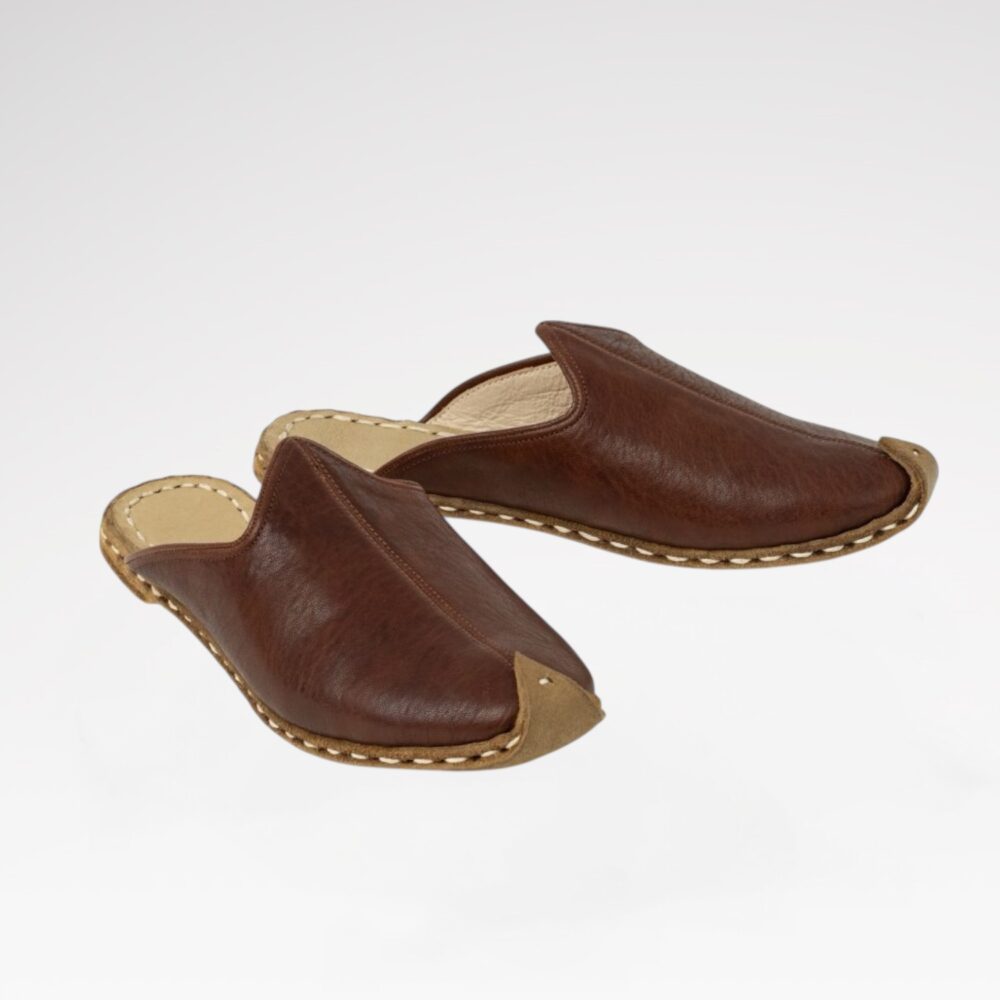
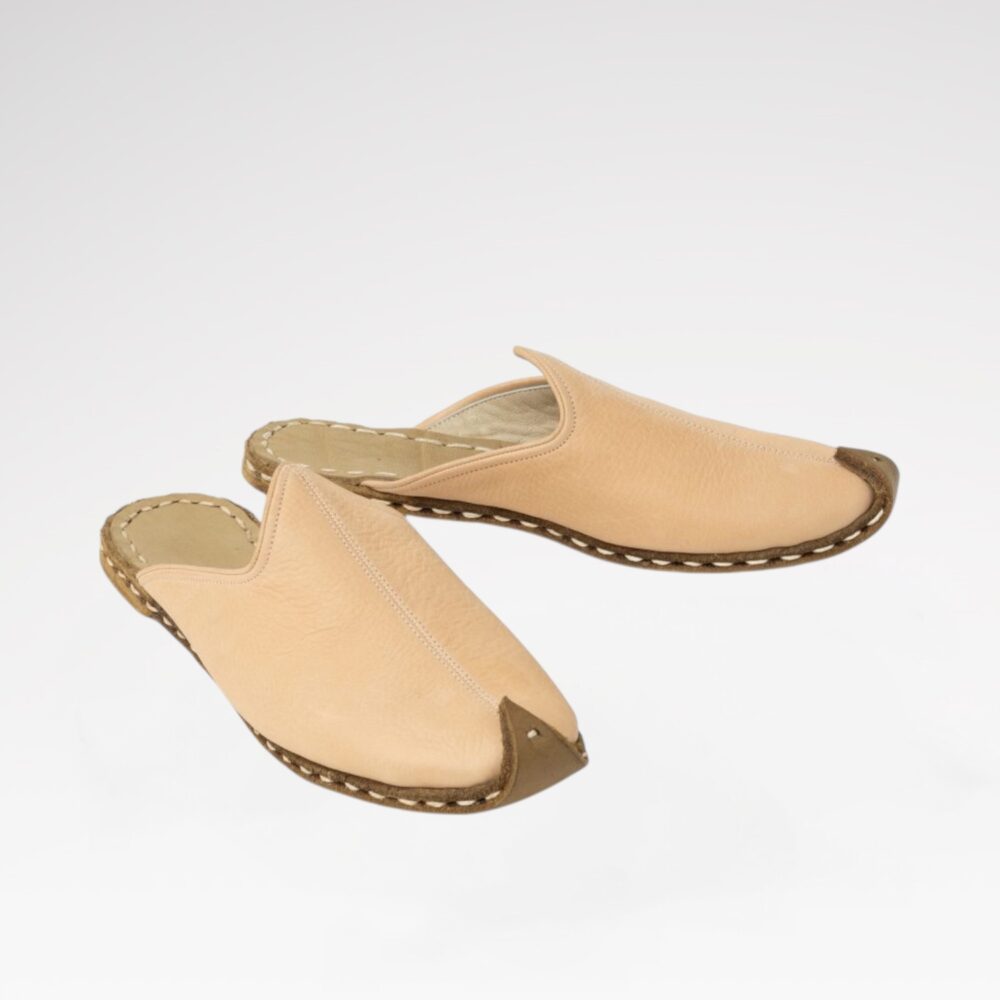
The yemeni is a leather shoe made without nails.
The sole is stitched to the upper by hand, the leather is shaped on a wooden last, and the finished shoe is soft enough to fold. It was worn across Anatolia by farmers, by townspeople, by everyone — cheap, repairable, and made in every town that had a tannery.
Almost none of those workshops remain. Rubber soles arrived, then imported footwear, and the trade collapsed within two generations. The craftsmen still working learned it from their fathers, and most have no one to pass it to.
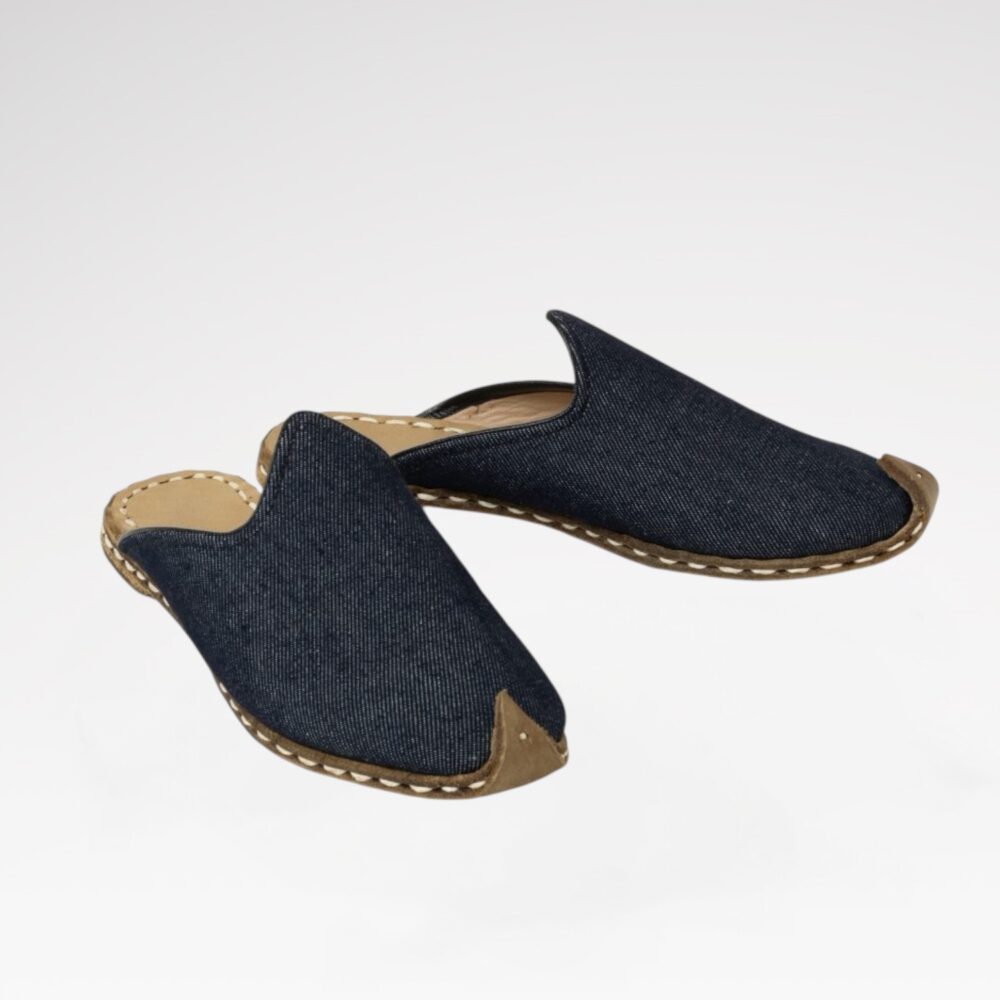
These are made the same way, in leather and in denim. They break in rather than wear out, and they can be resoled — which was always the point of a stitched sole and is the reason the form survived as long as it did.
The yemeni is a leather shoe made without nails.
The sole is stitched to the upper by hand, the leather is shaped on a wooden last, and the finished shoe is soft enough to fold. It was worn across Anatolia by farmers, by townspeople, by everyone — cheap, repairable, and made in every town that had a tannery.
Almost none of those workshops remain. Rubber soles arrived, then imported footwear, and the trade collapsed within two generations. The craftsmen still working learned it from their fathers, and most have no one to pass it to.
These are made the same way, in leather and in denim. They break in rather than wear out, and they can be resoled — which was always the point of a stitched sole and is the reason the form survived as long as it did.