Headpiece
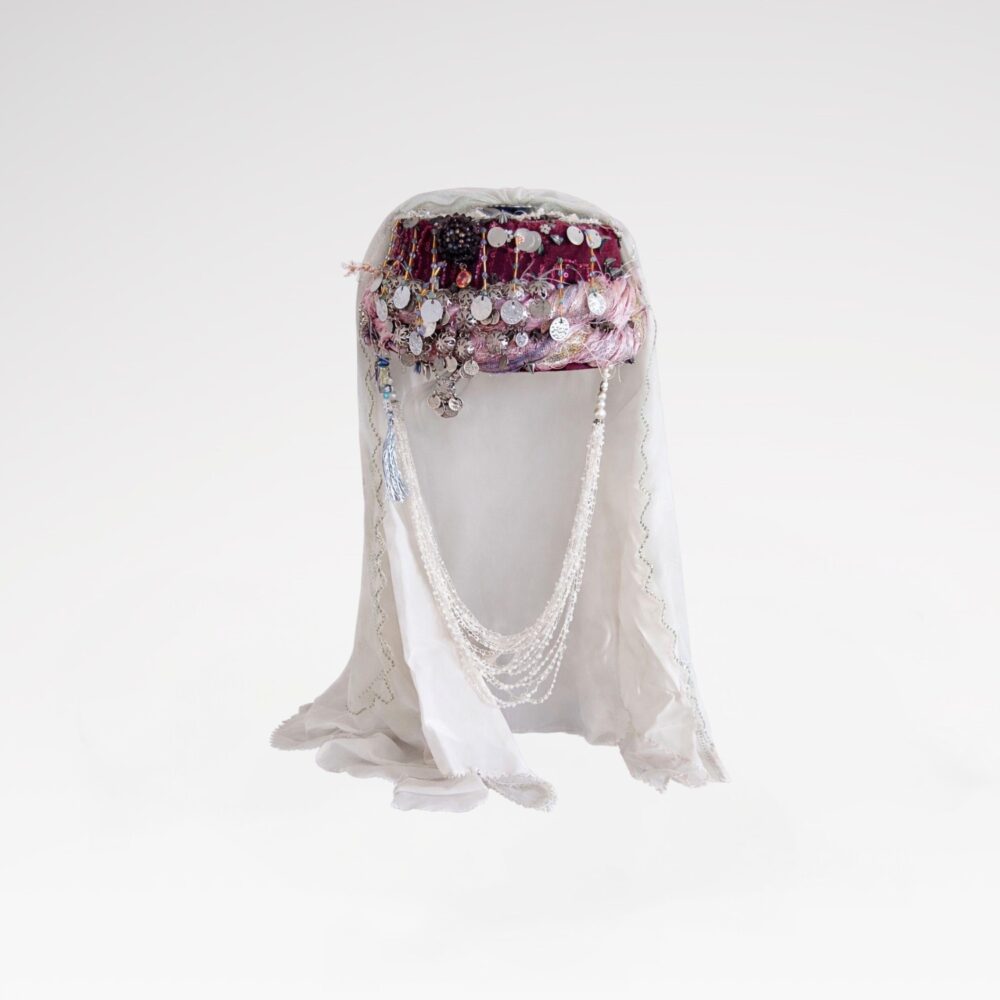
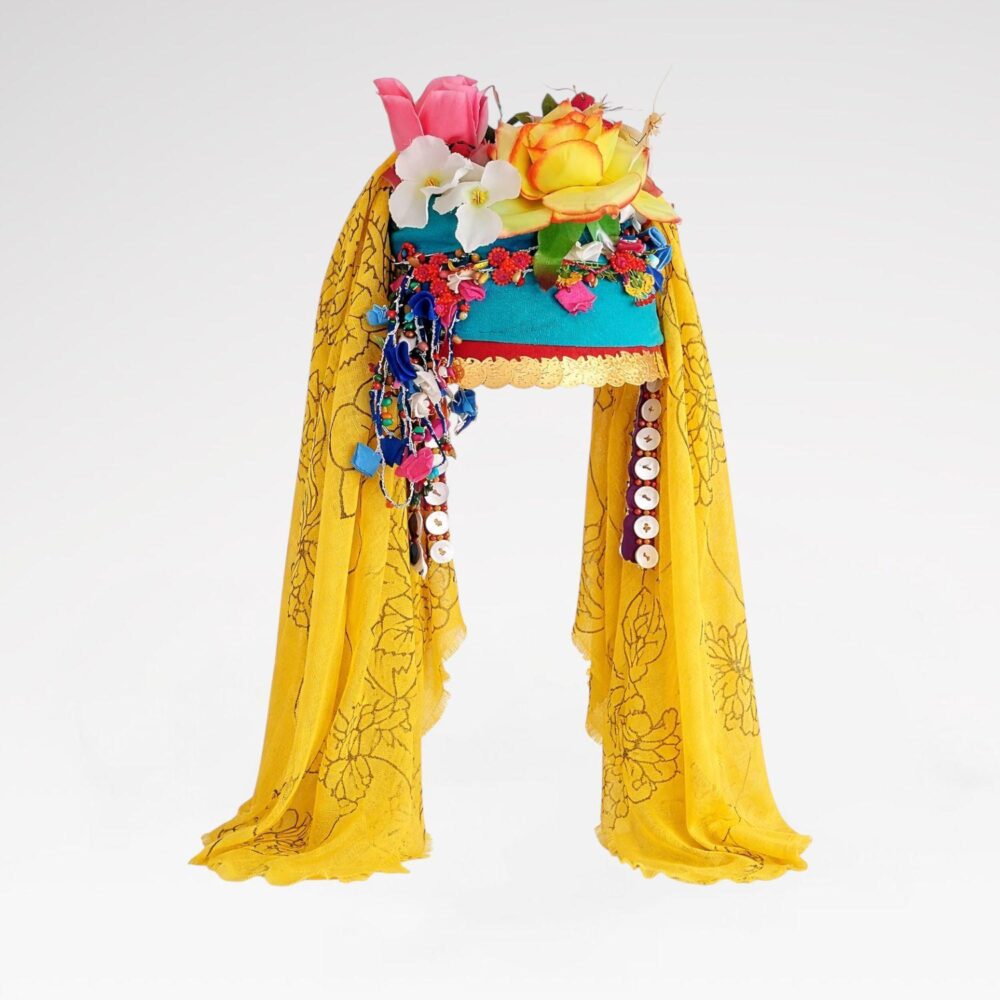
A bride's headpiece was never only ornament.
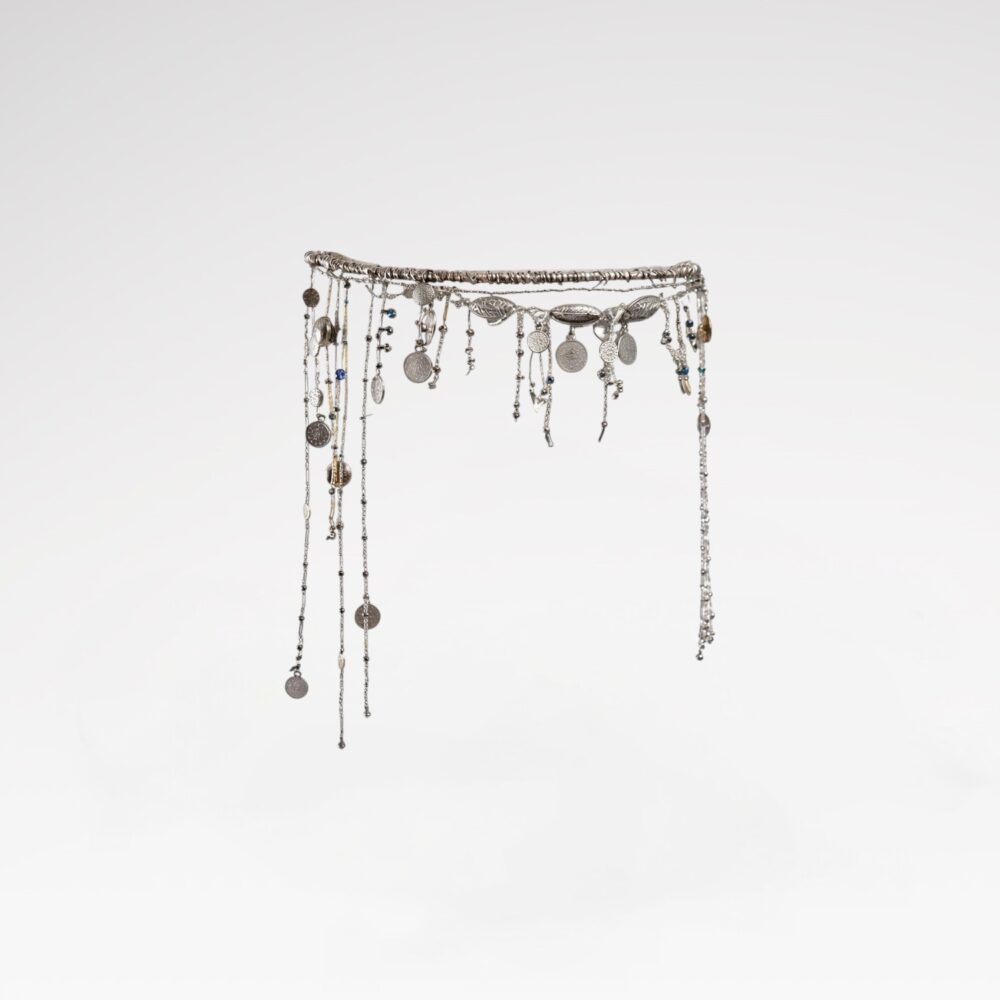
The coins stitched onto it were her own property — not her husband's, not her family's. They were worn on the head where everyone could count them, and they went with her when she left. In much of Anatolia this was the only wealth a woman held outright, and the headdress was the ledger.
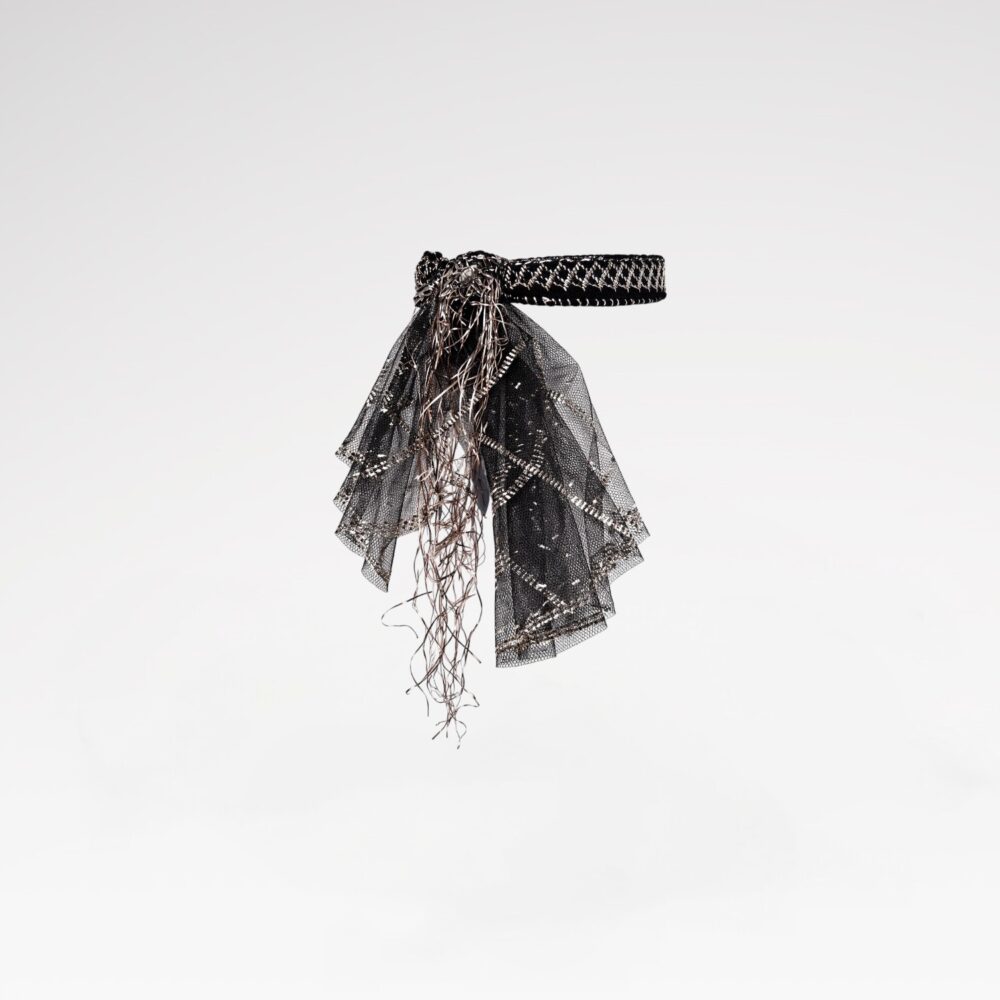
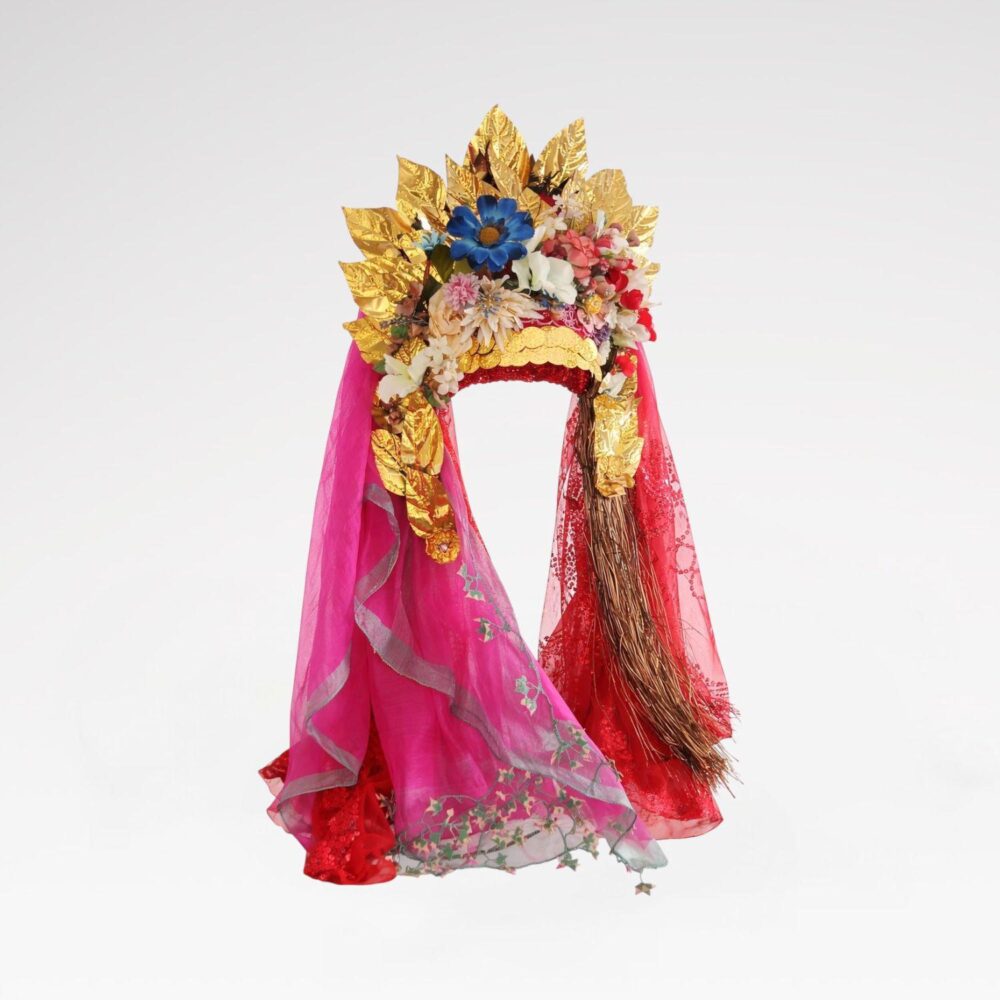
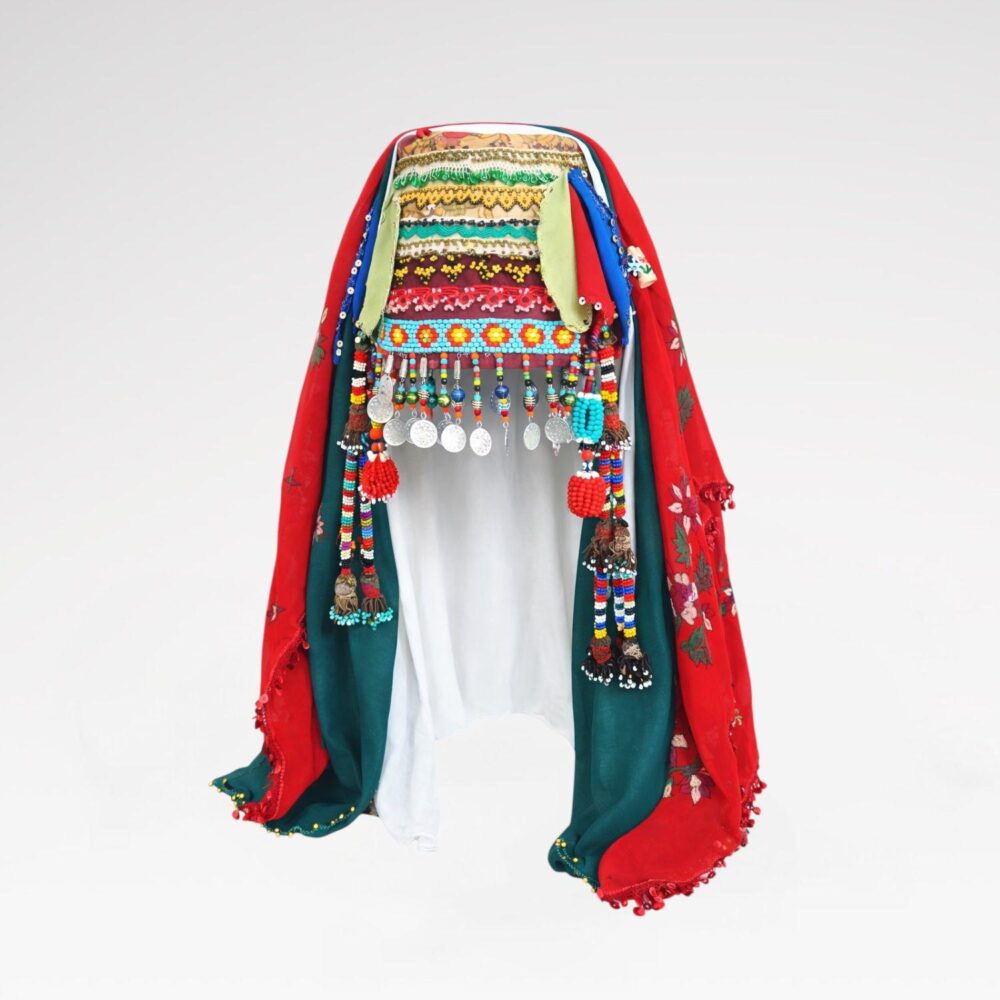
These pieces are built in the same forms: silver wirework over tulle, coin chains, the layered structures of Aegean bridal dress. The work is fine and slow — wire is bent and set by hand, and a single headdress can take days.
The tradition thinned as dowry practice changed and as silverwork moved out of villages. What survives sits mostly in museums and in a few families' chests. Rebuilding the forms is one way of keeping them in circulation rather than in storage.
A bride’s headpiece was never only ornament.
The coins stitched onto it were her own property — not her husband’s, not her family’s. They were worn on the head where everyone could count them, and they went with her when she left. In much of Anatolia this was the only wealth a woman held outright, and the headdress was the ledger.
These pieces are built in the same forms: silver wirework over tulle, coin chains, the layered structures of Aegean bridal dress. The work is fine and slow — wire is bent and set by hand, and a single headdress can take days.
The tradition thinned as dowry practice changed and as silverwork moved out of villages. What survives sits mostly in museums and in a few families’ chests. Rebuilding the forms is one way of keeping them in circulation rather than in storage.