Loungewear
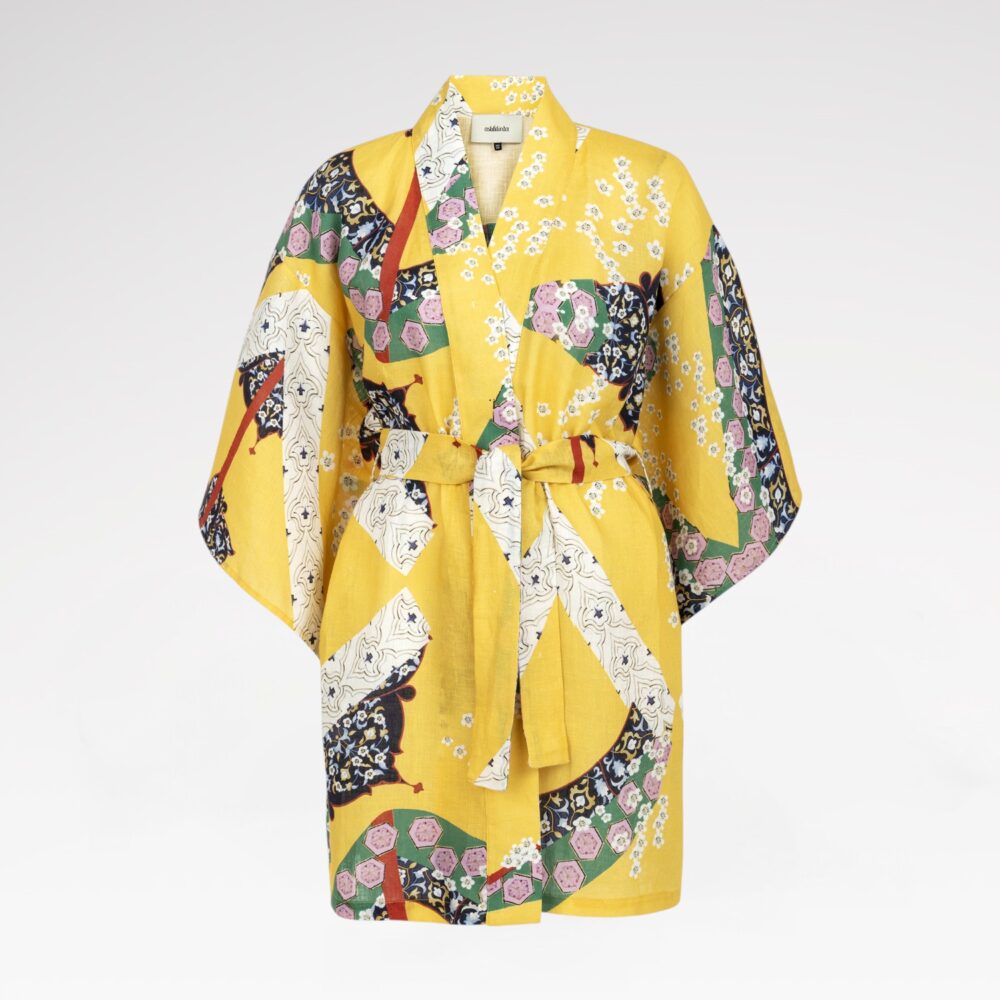
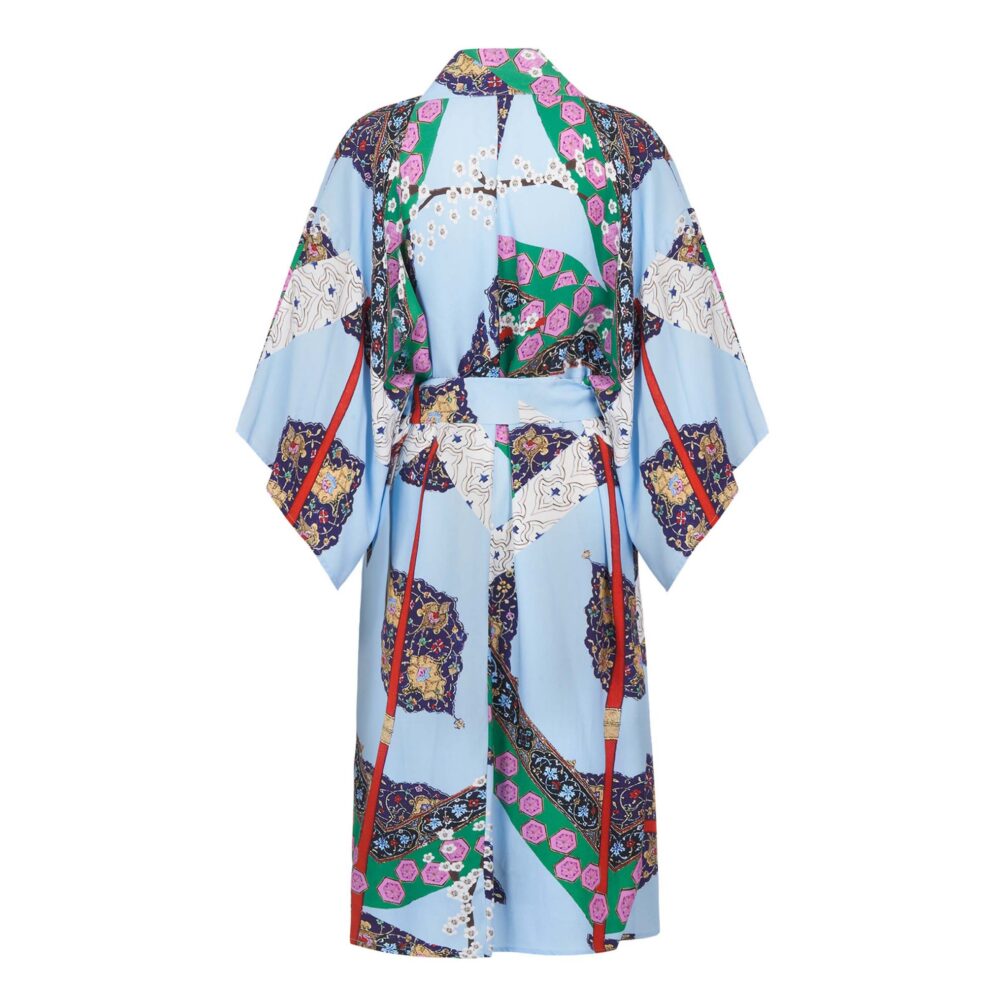
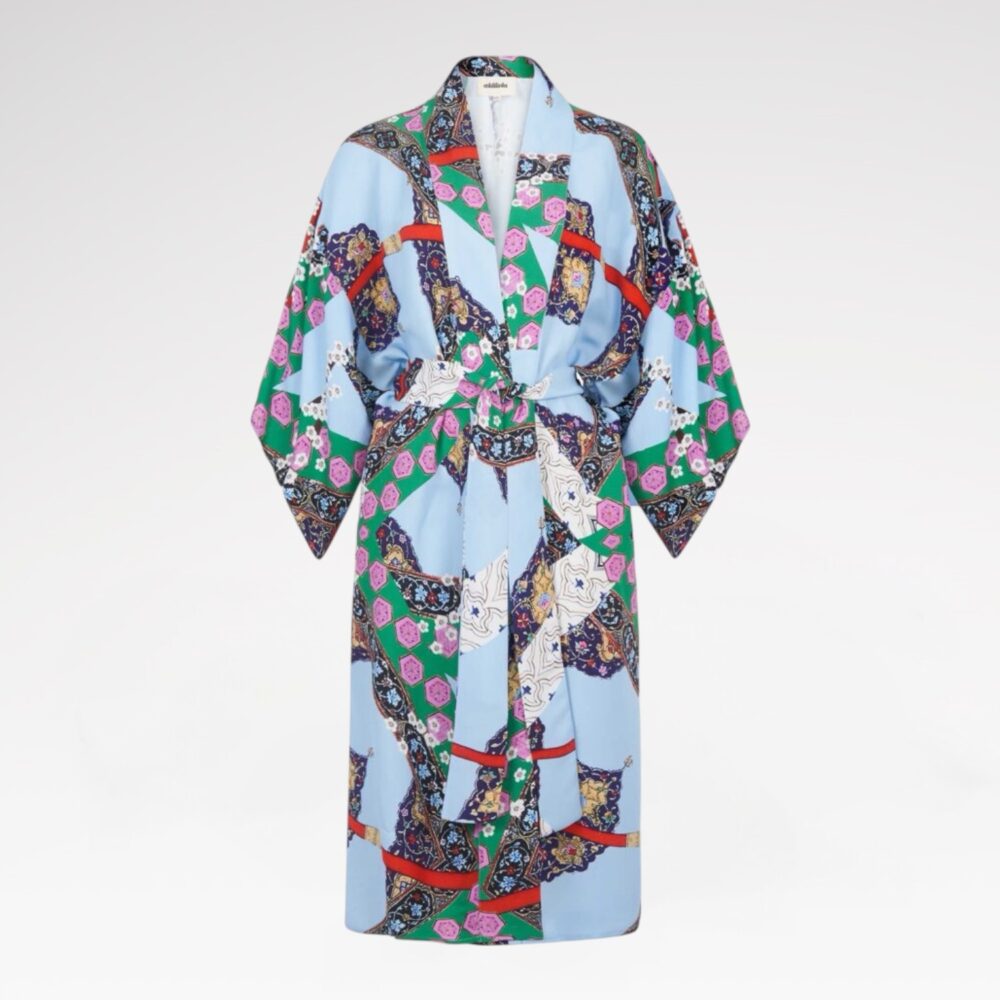
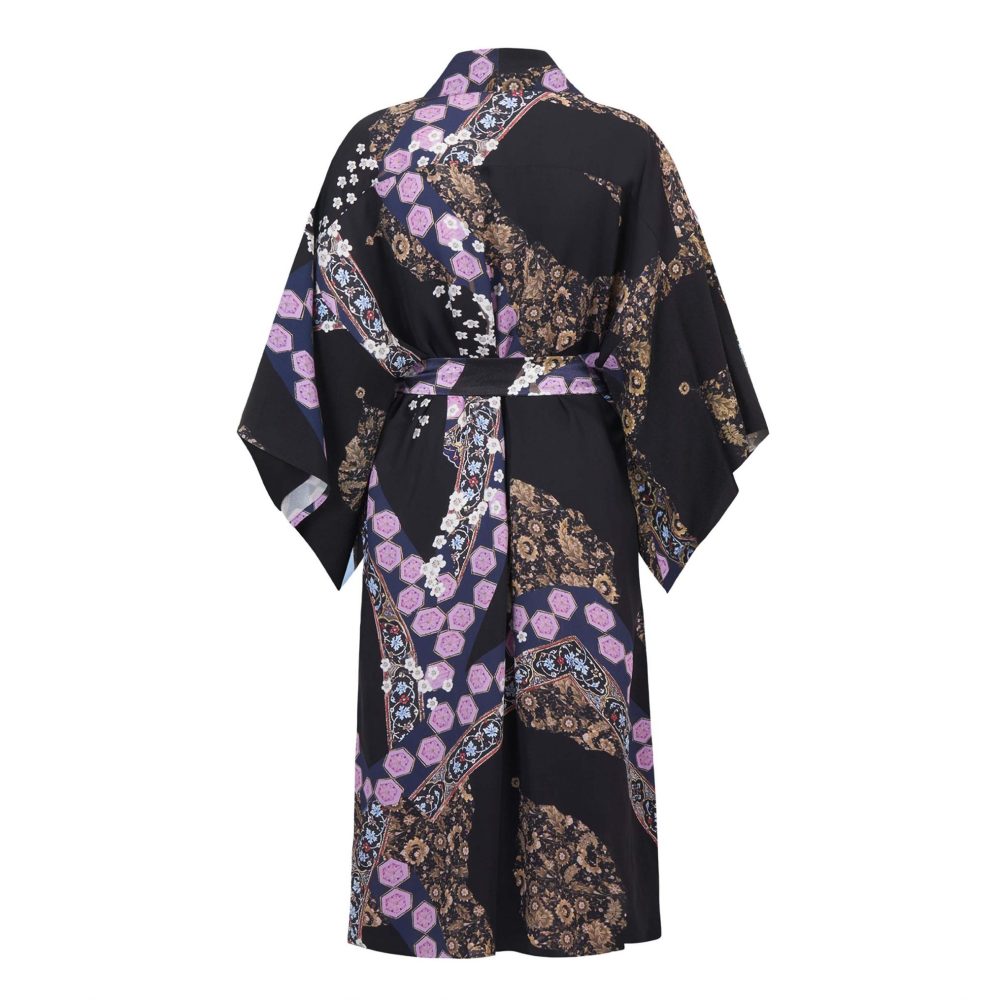
The kaftan was never meant to be tight.
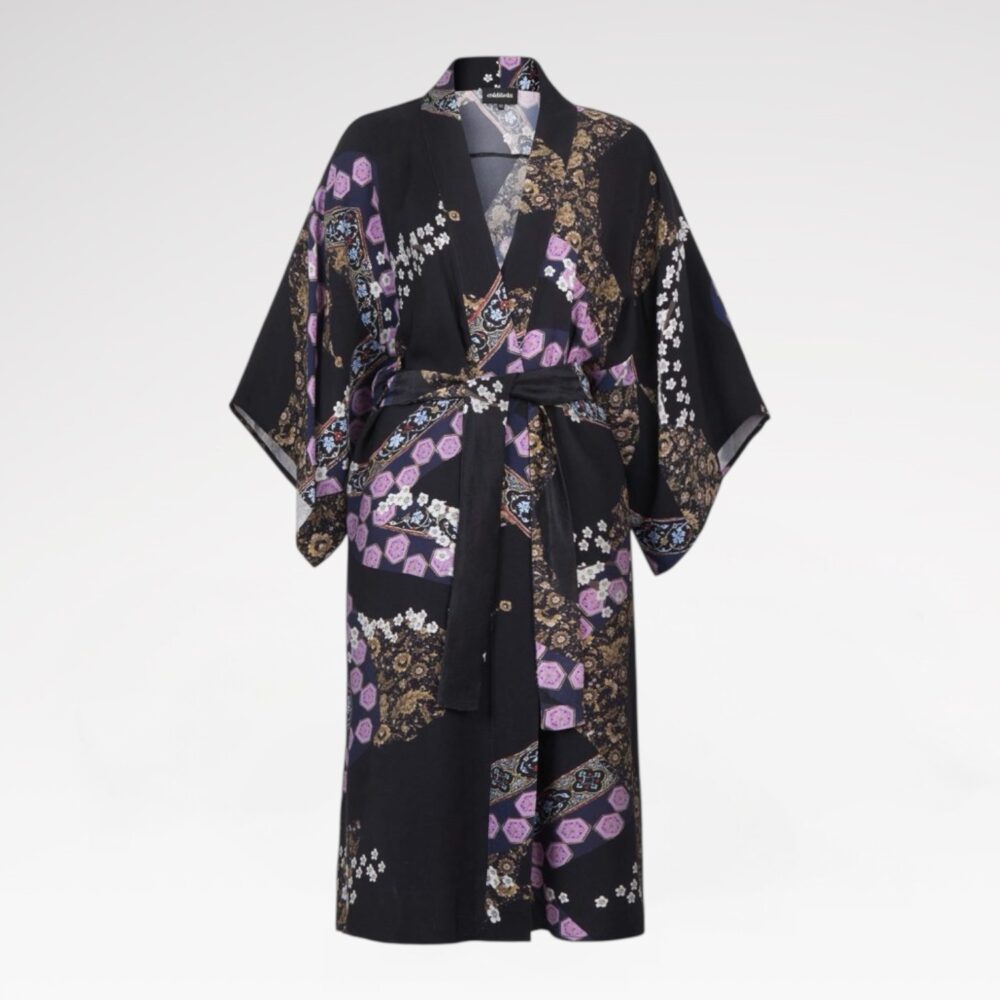
Worn across Anatolia and the wider region for centuries — as a robe for rest, for receiving guests, for ceremony — it is one of the few garments that makes no distinction between being at home and being seen. It does not fit. It hangs, and the body underneath is its own business.
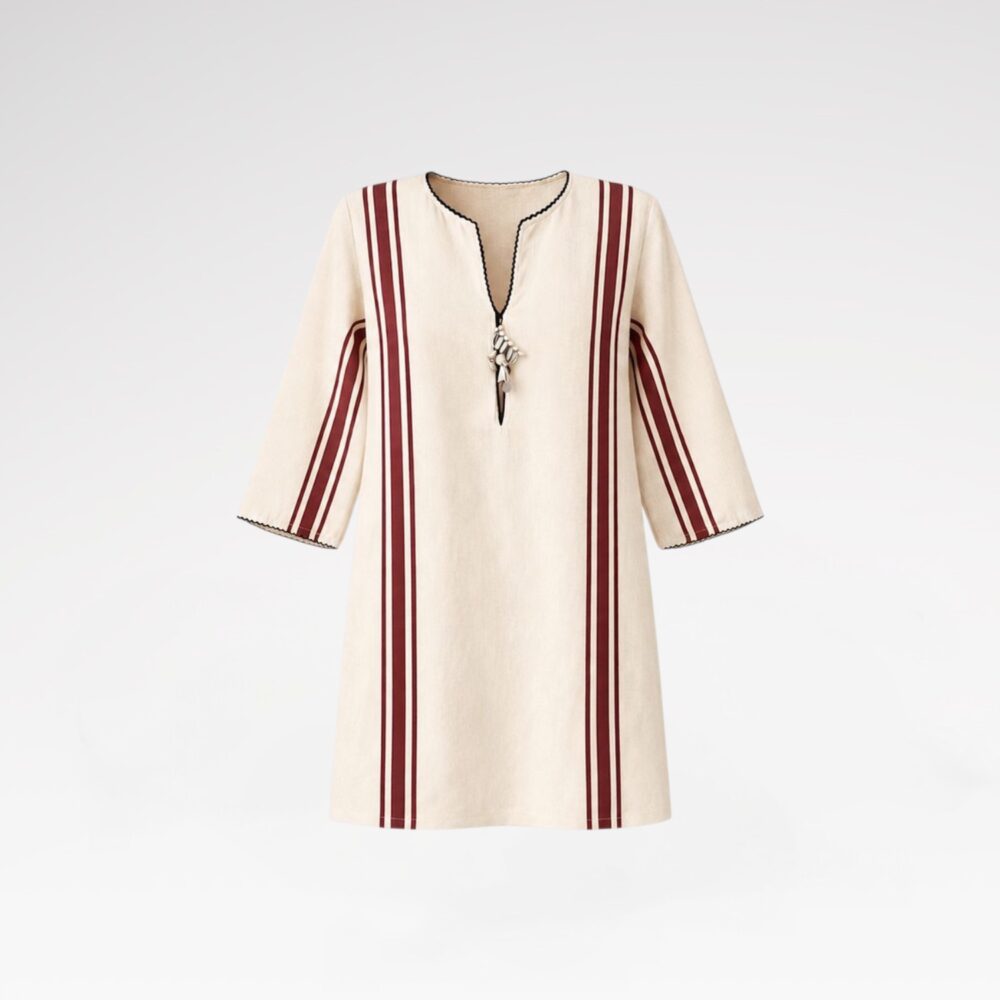
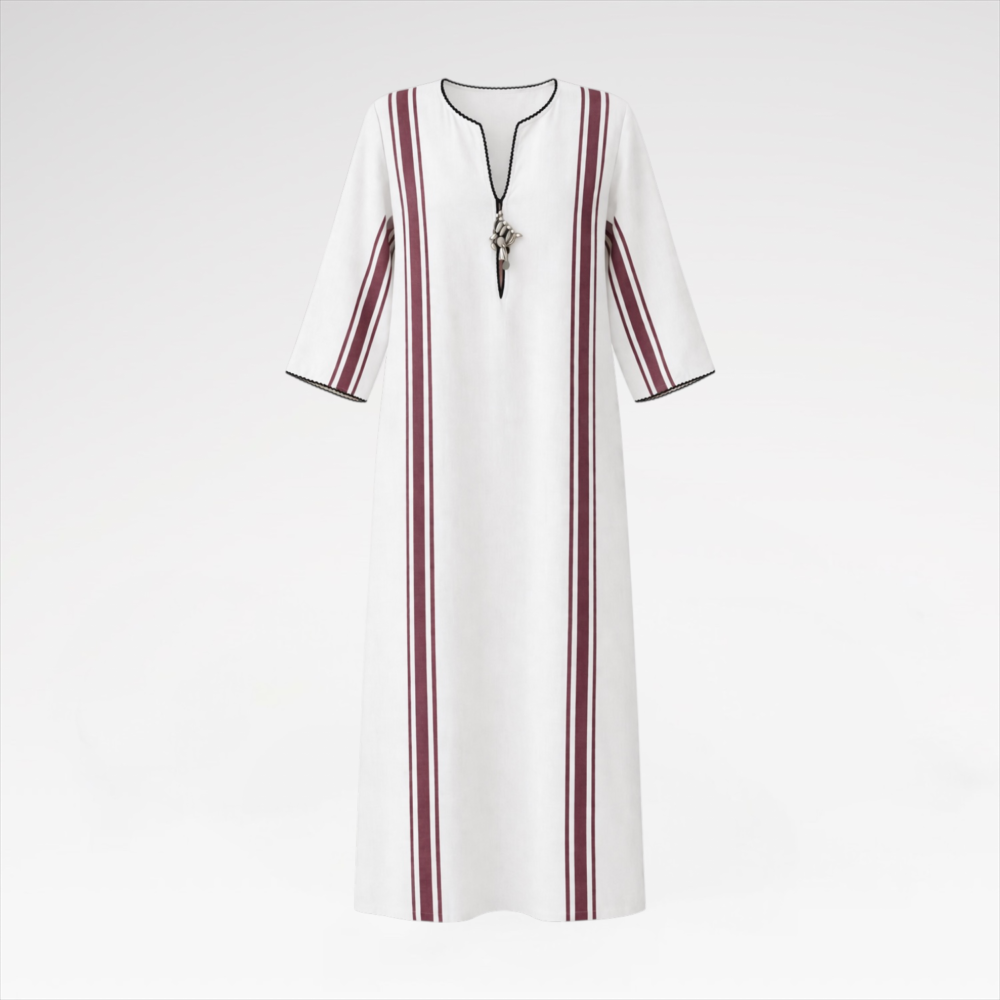
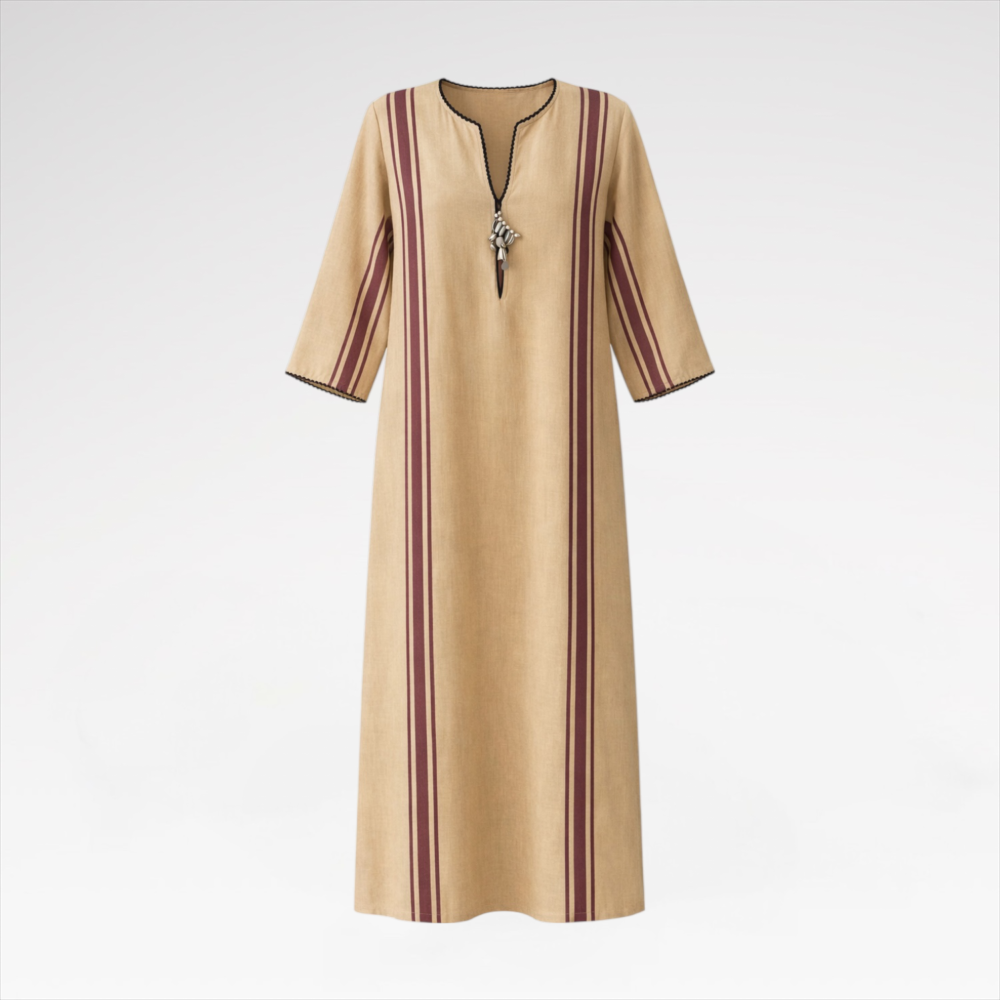
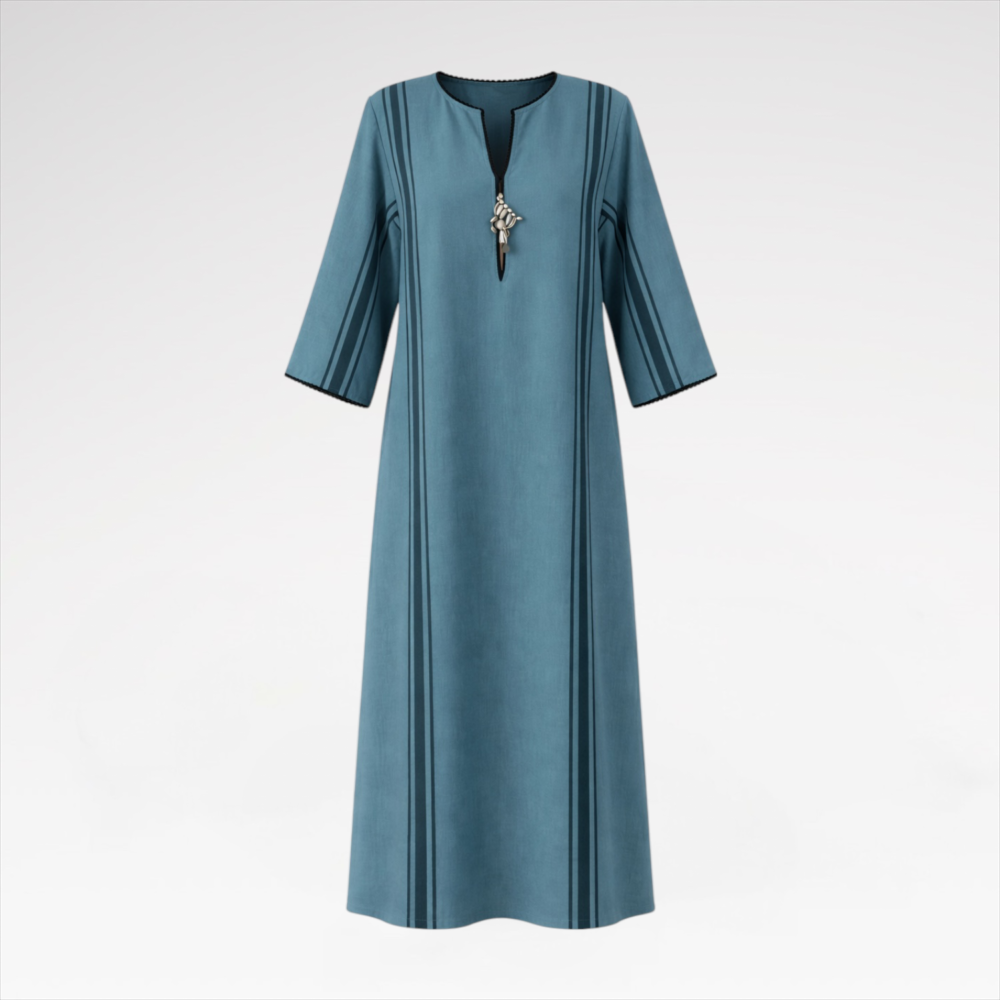
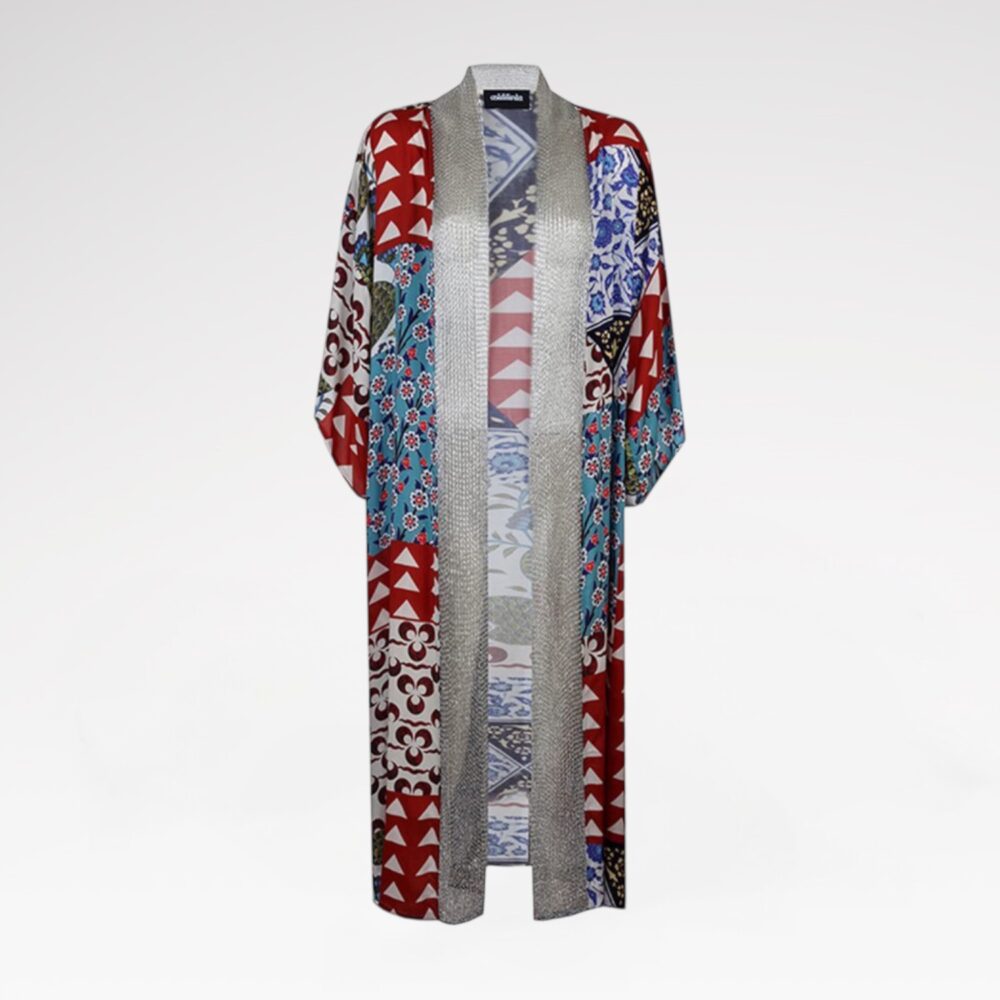
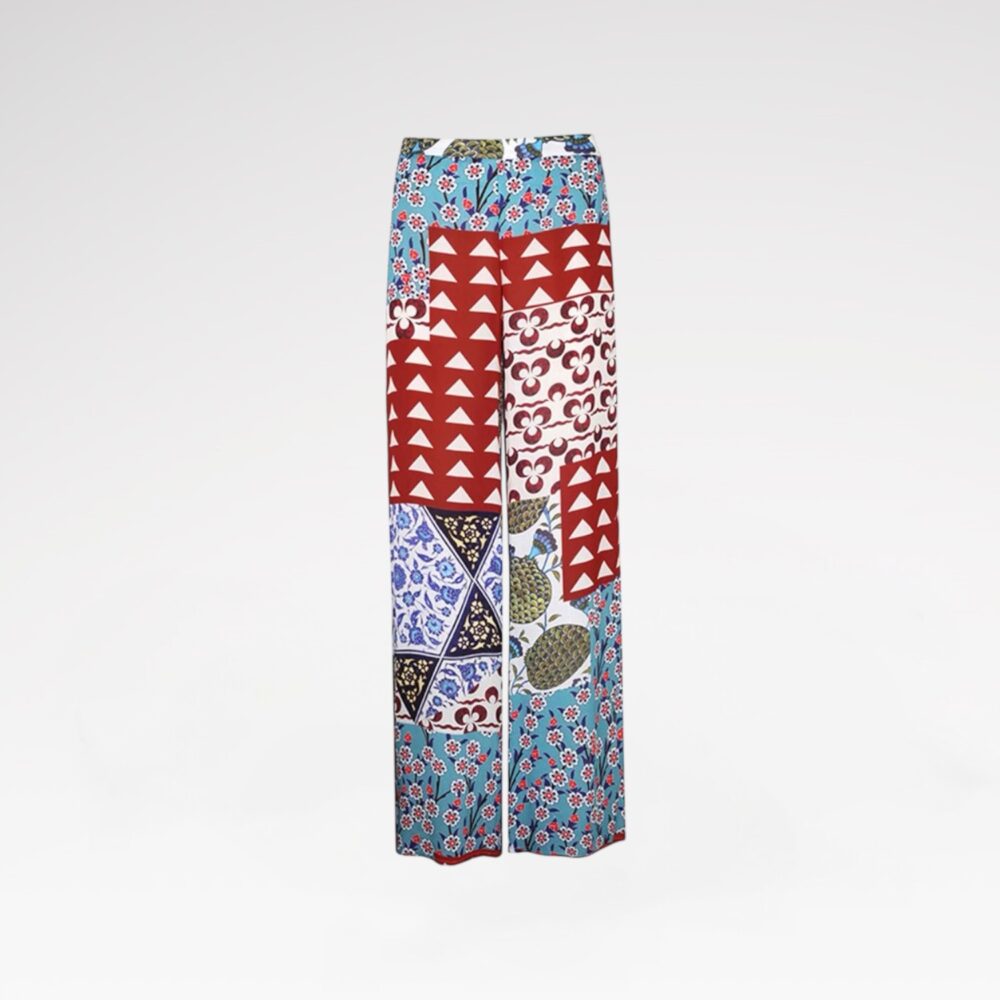
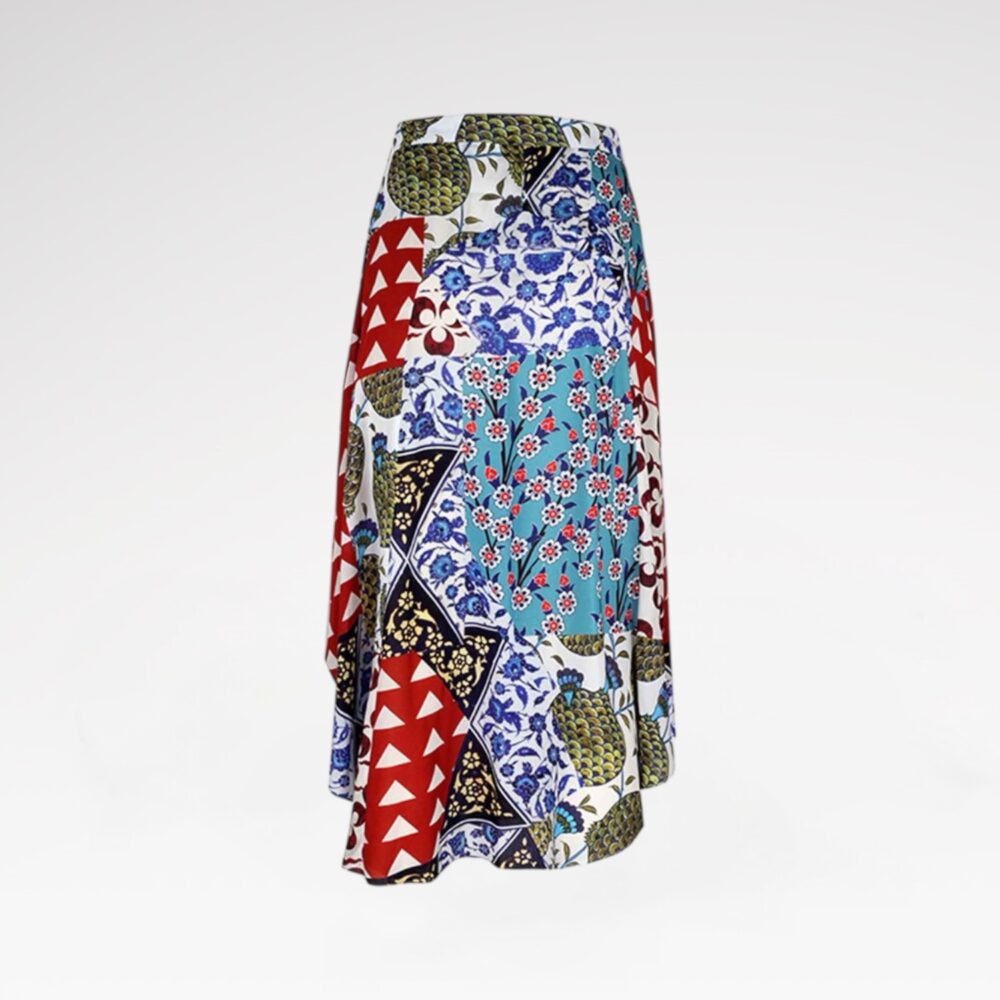
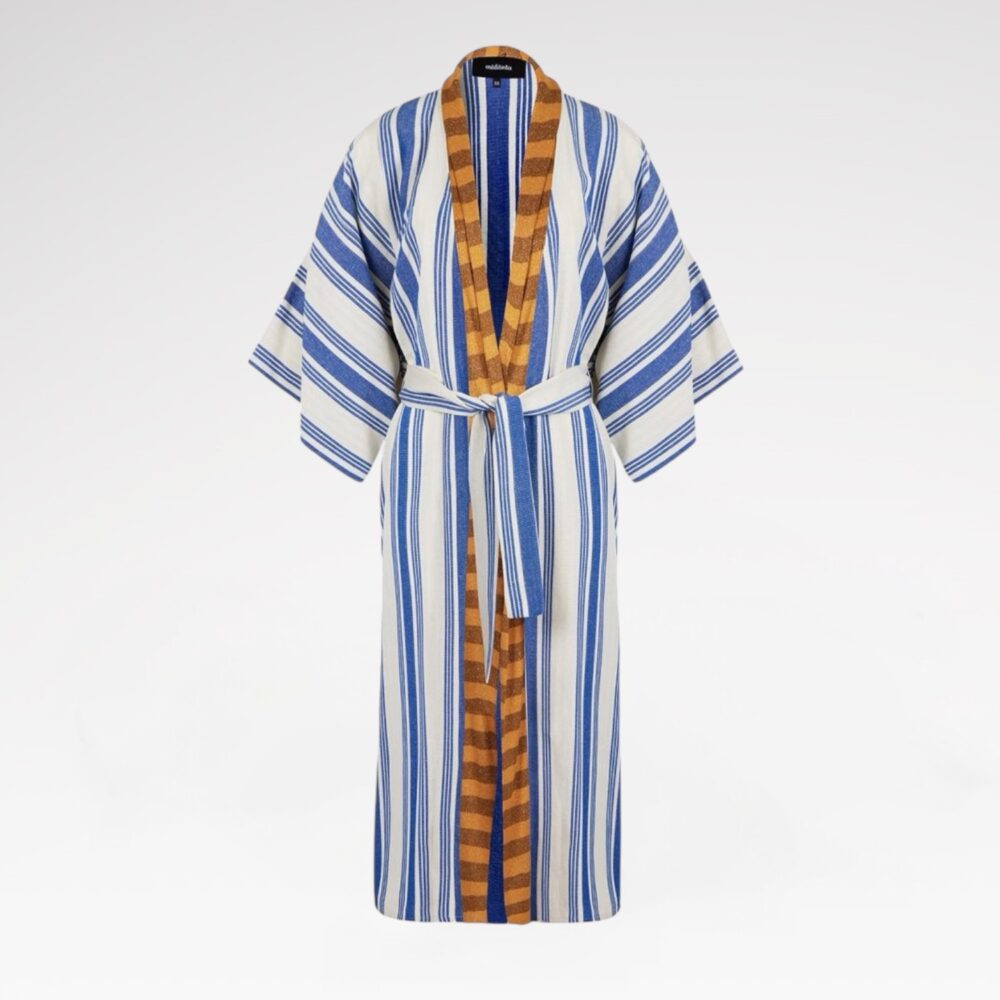
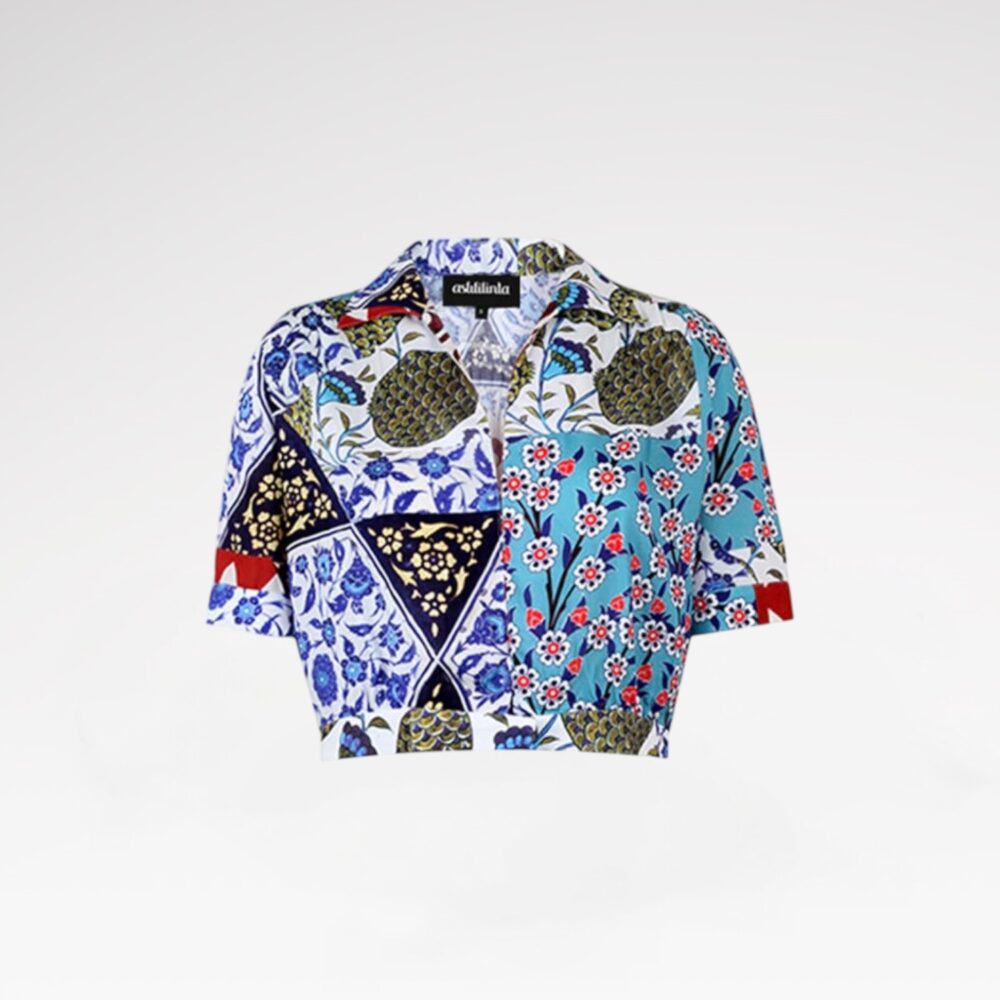
These are cut in cotton and light weaves, short and long, some printed with wooden blocks and some left plain. They are meant to be worn repeatedly rather than kept for an occasion, which is the brand's position on clothing generally: Aslı Filinta has argued since 2016 that the most sustainable garment is the one already in your wardrobe, worn again.
Loungewear is where that argument is easiest to accept. Nobody needs convincing to re-wear something comfortable.
The kaftan was never meant to be tight.
Worn across Anatolia and the wider region for centuries — as a robe for rest, for receiving guests, for ceremony — it is one of the few garments that makes no distinction between being at home and being seen. It does not fit. It hangs, and the body underneath is its own business.
These are cut in cotton and light weaves, short and long, some printed with wooden blocks and some left plain. They are meant to be worn repeatedly rather than kept for an occasion, which is the brand’s position on clothing generally: Aslı Filinta has argued since 2016 that the most sustainable garment is the one already in your wardrobe, worn again.
Loungewear is where that argument is easiest to accept. Nobody needs convincing to re-wear something comfortable.