Shirts
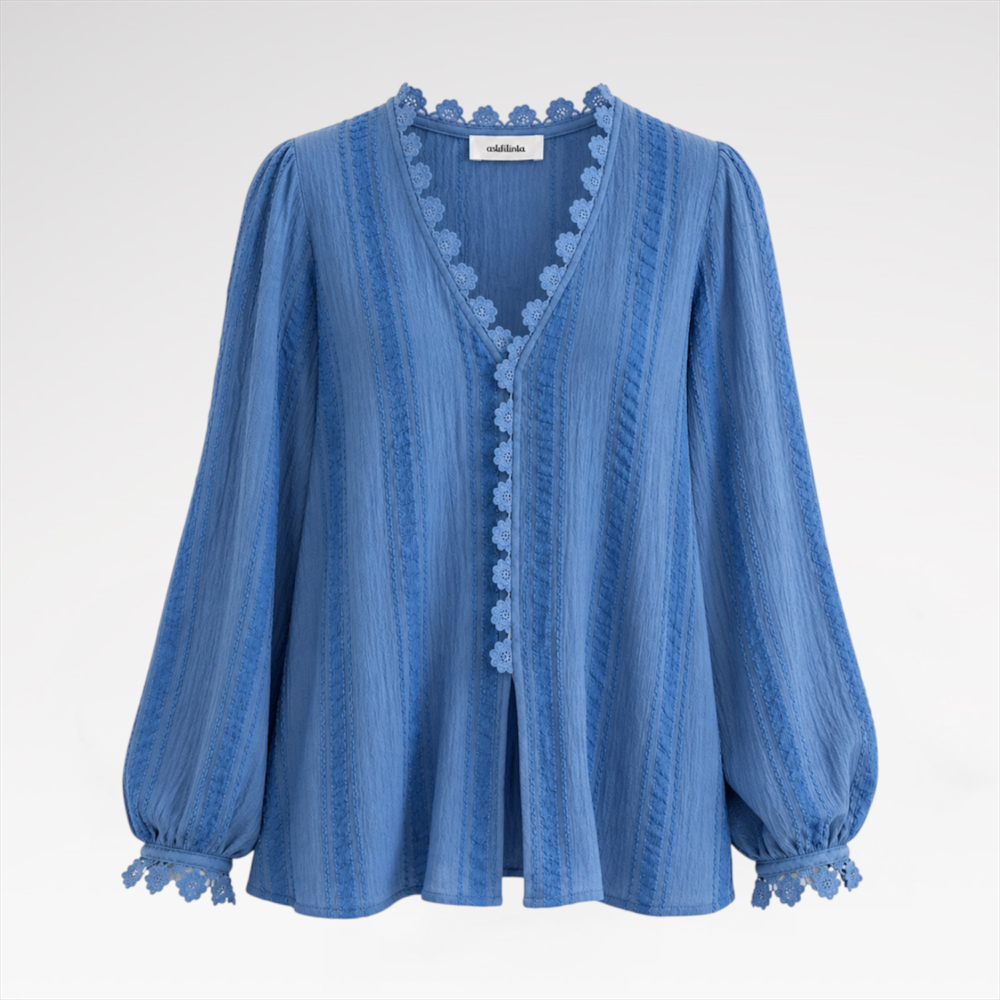
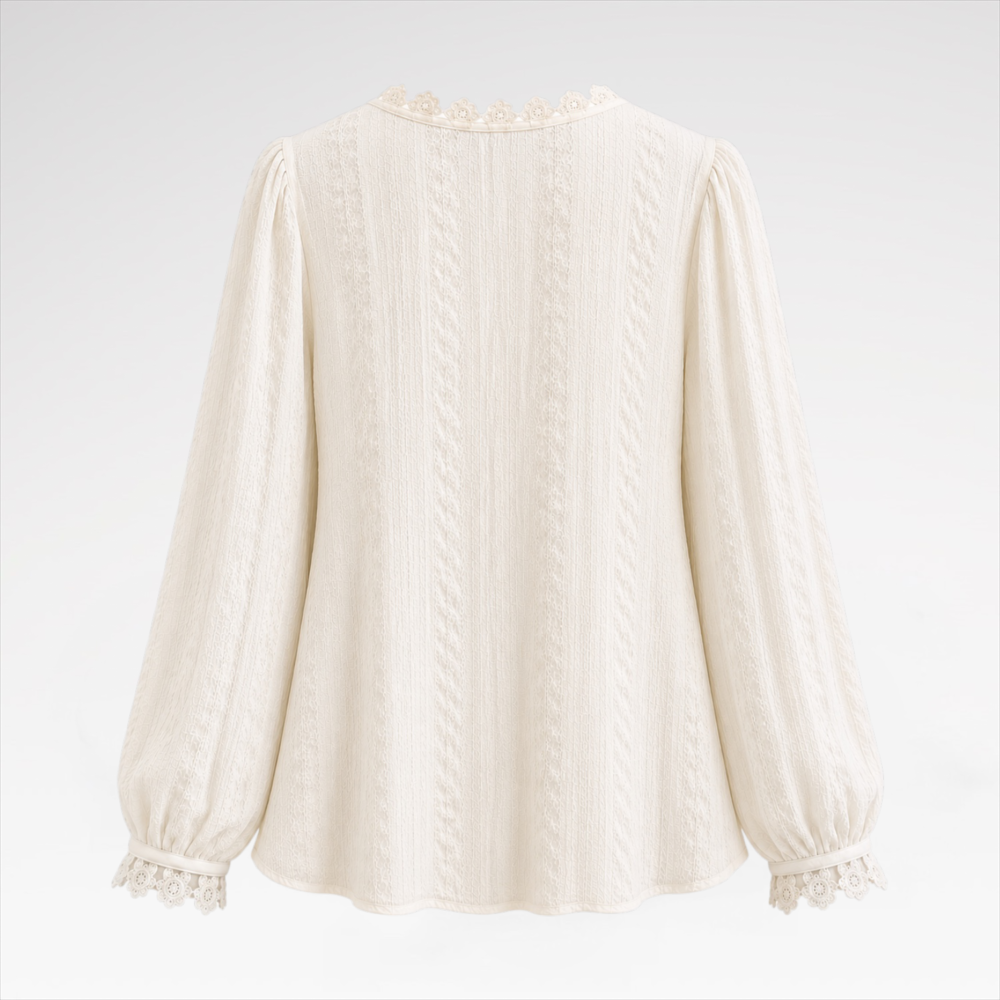
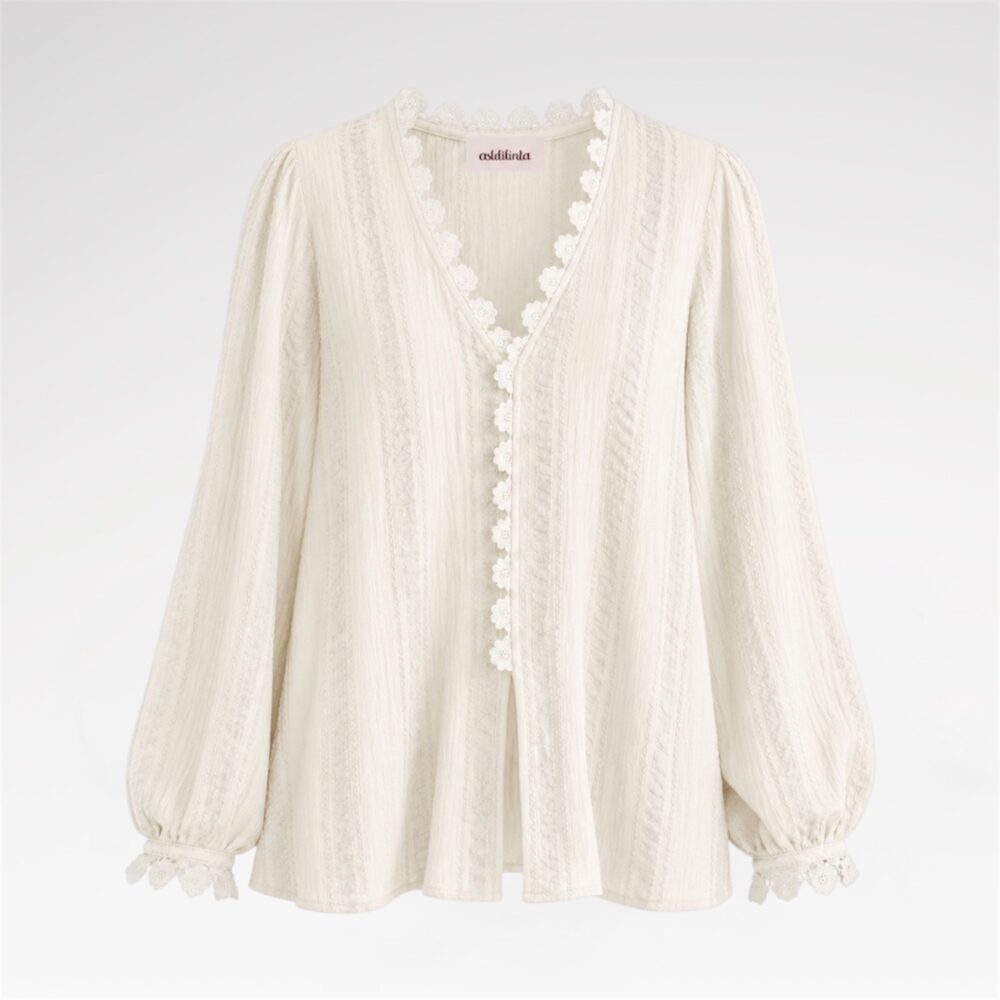
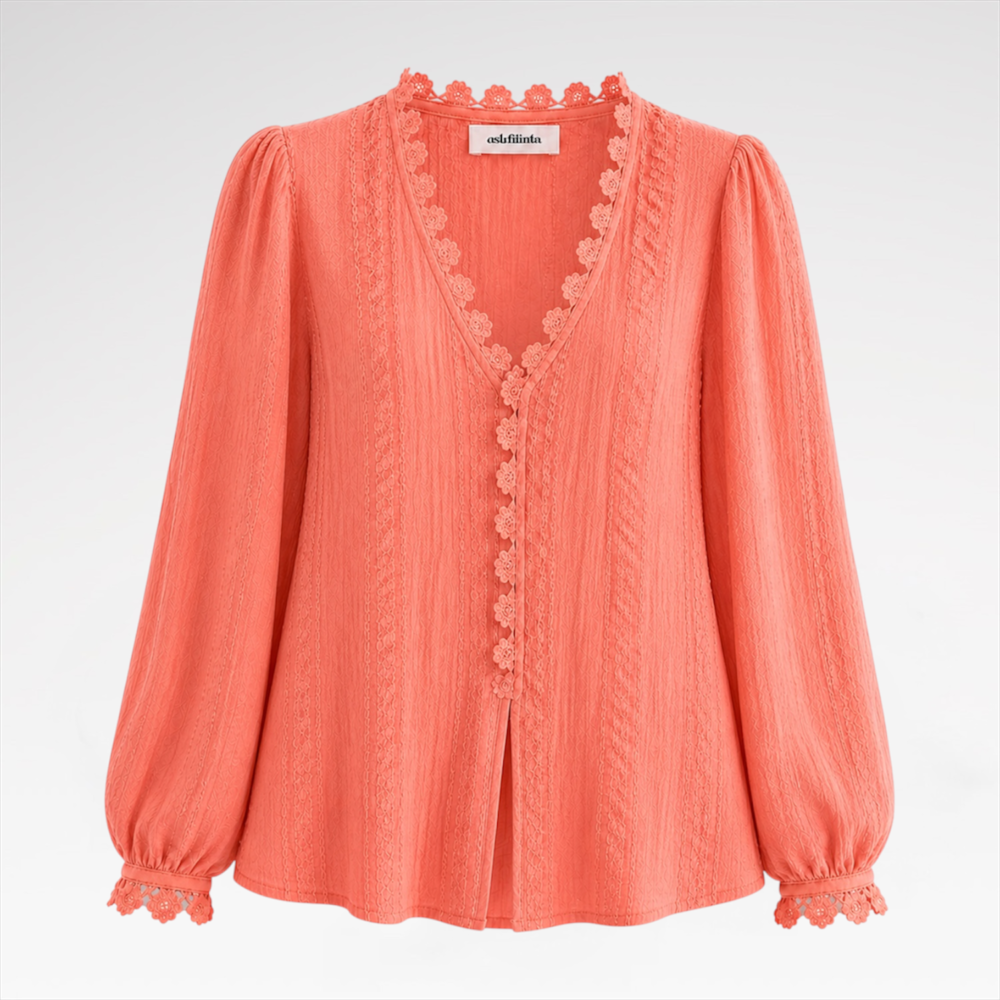
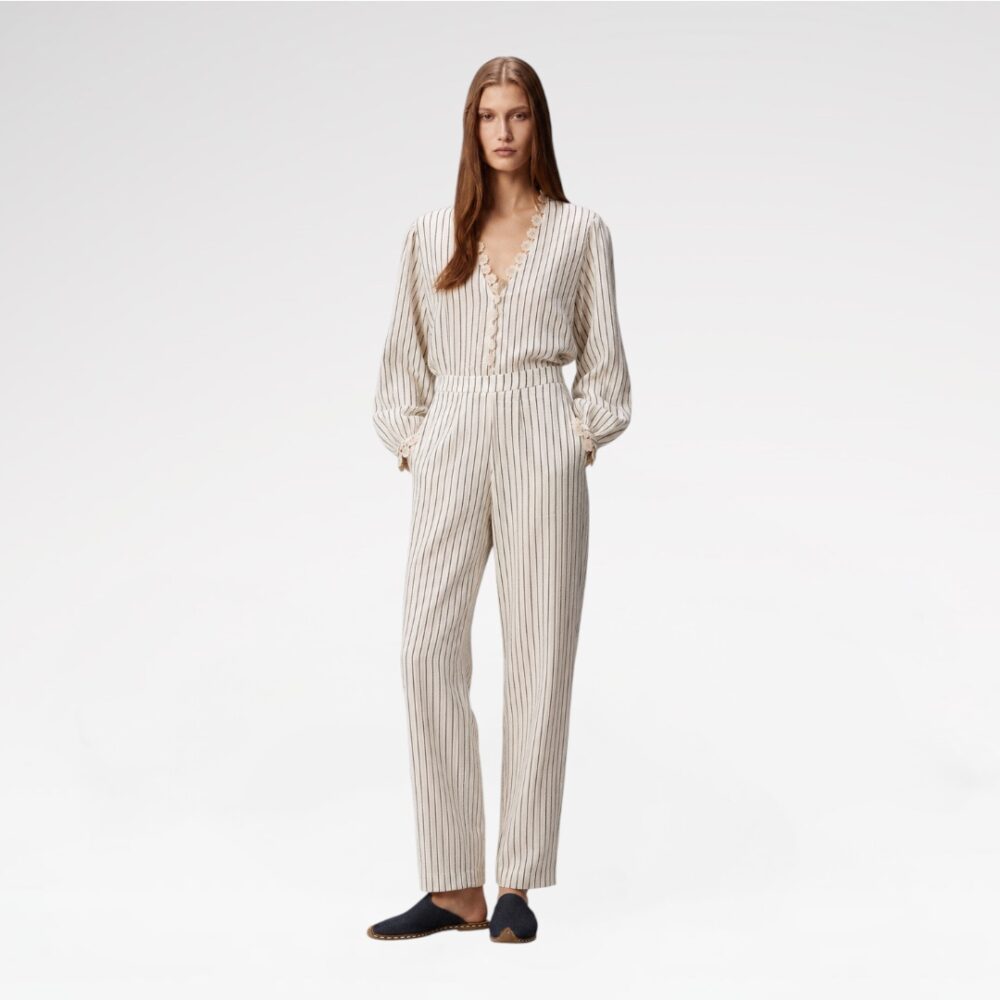
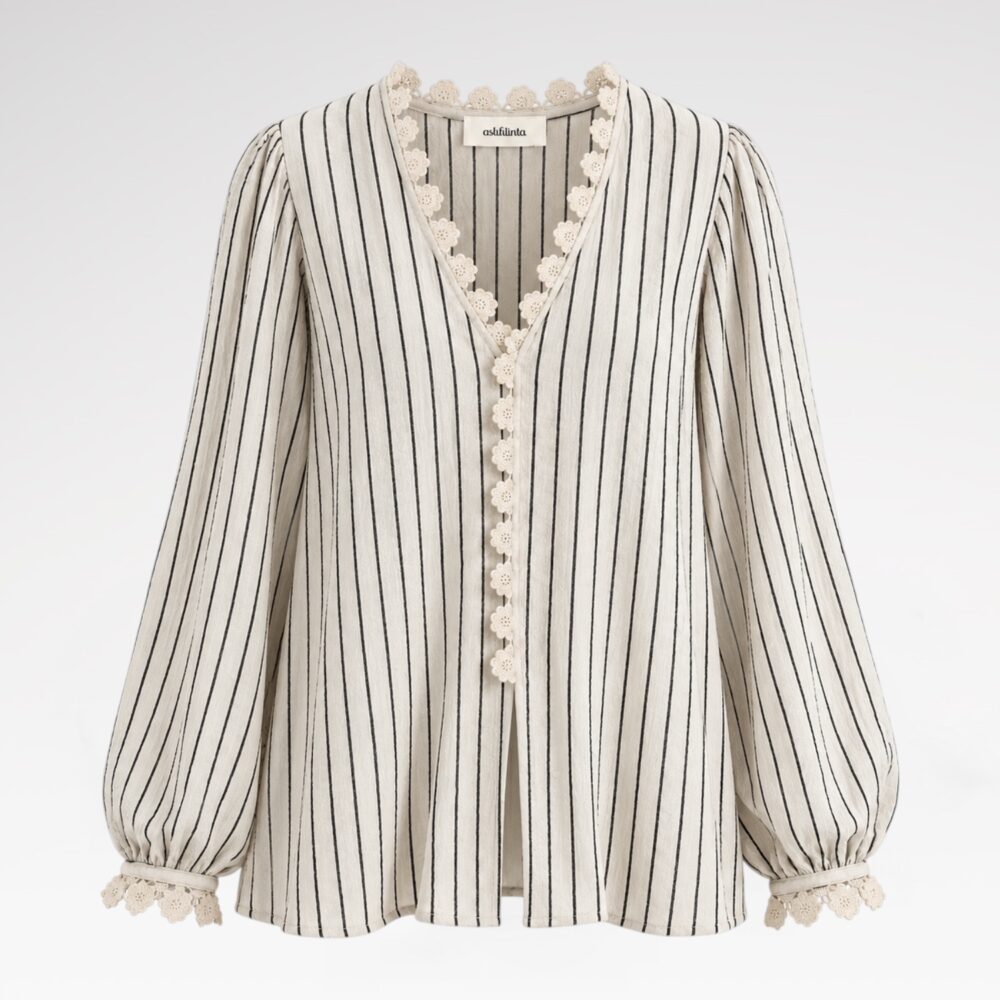
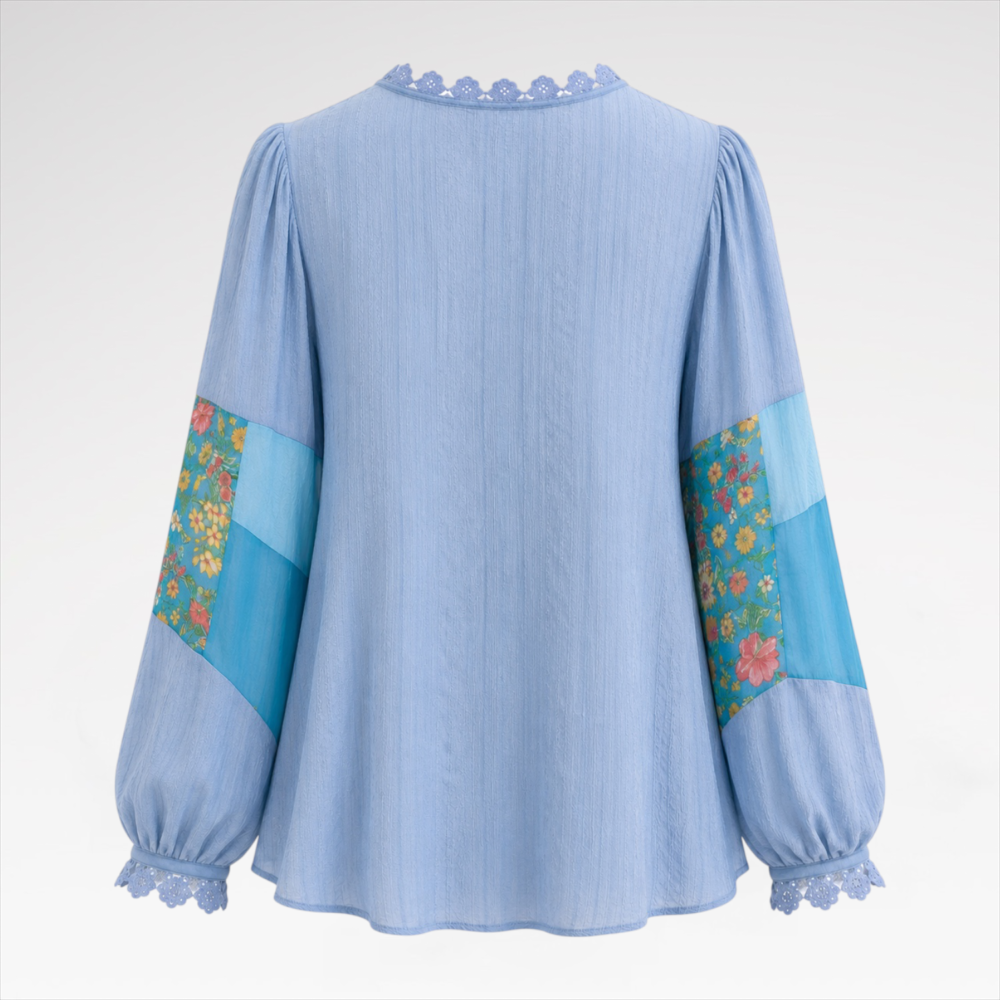
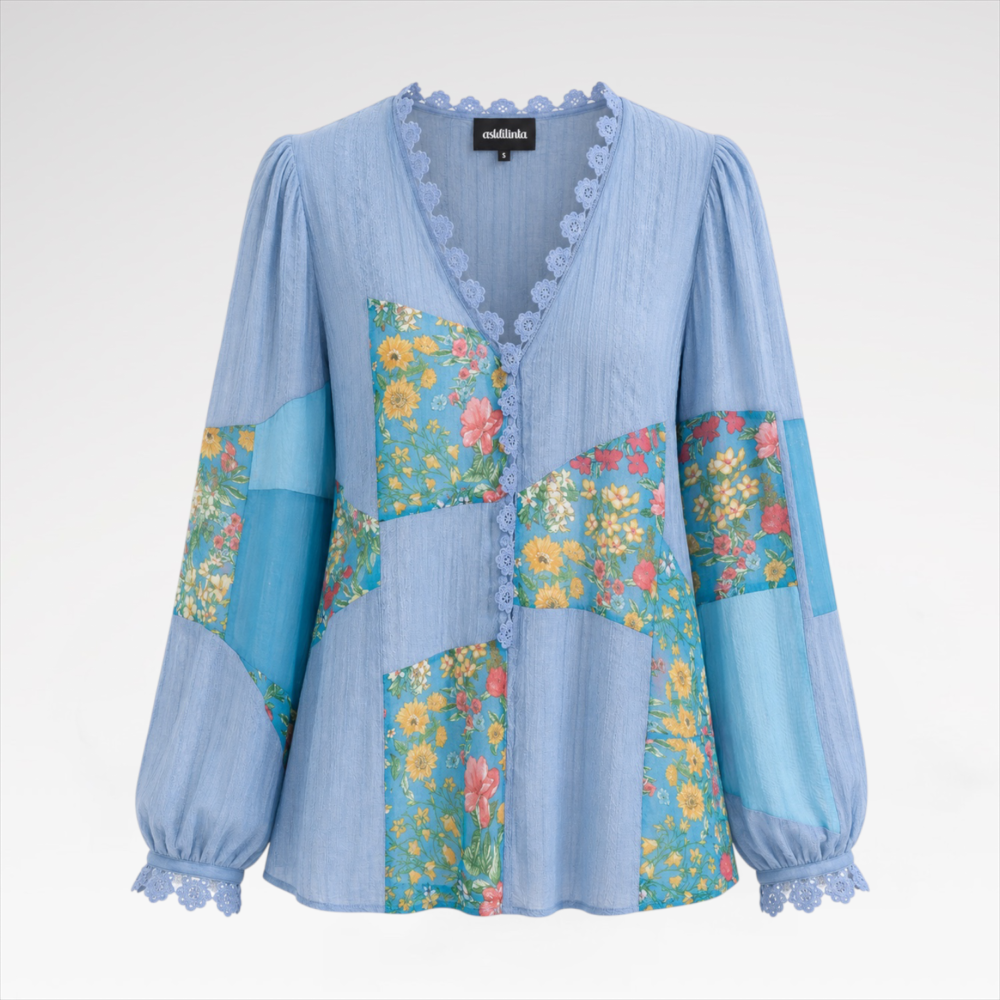
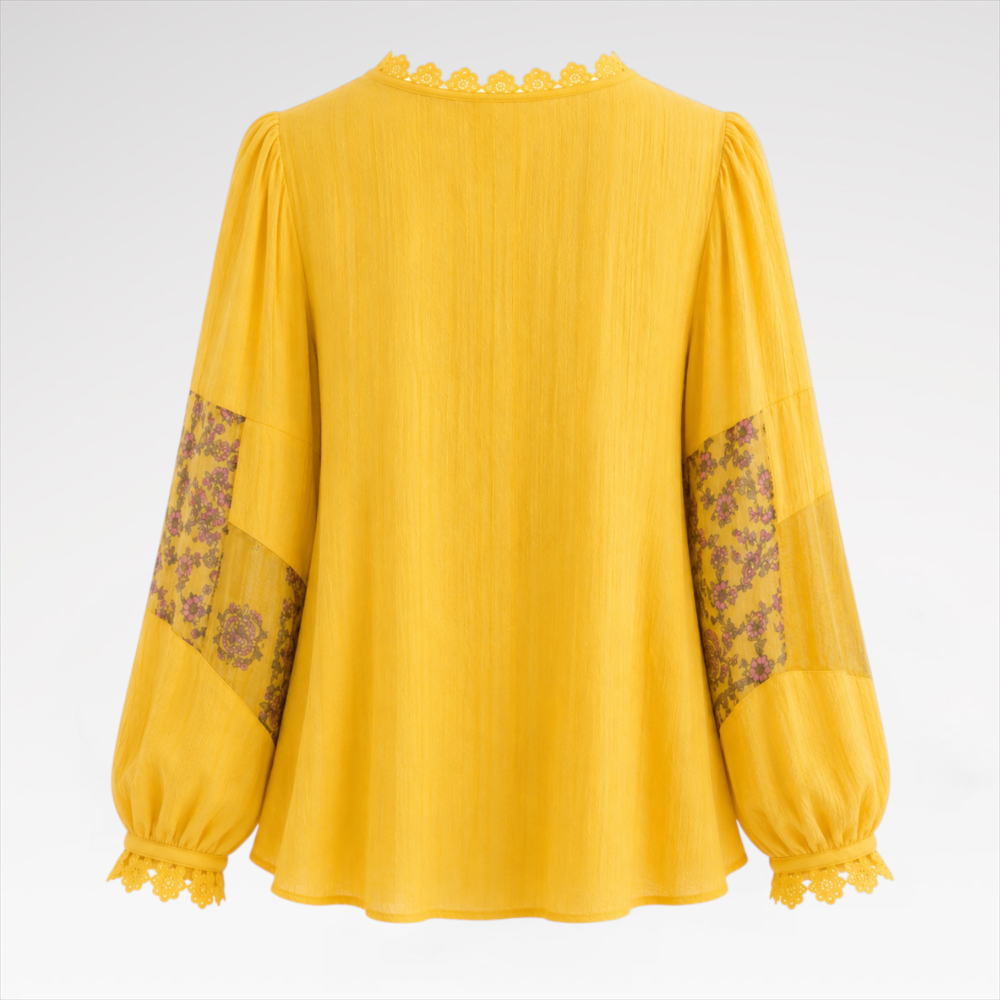
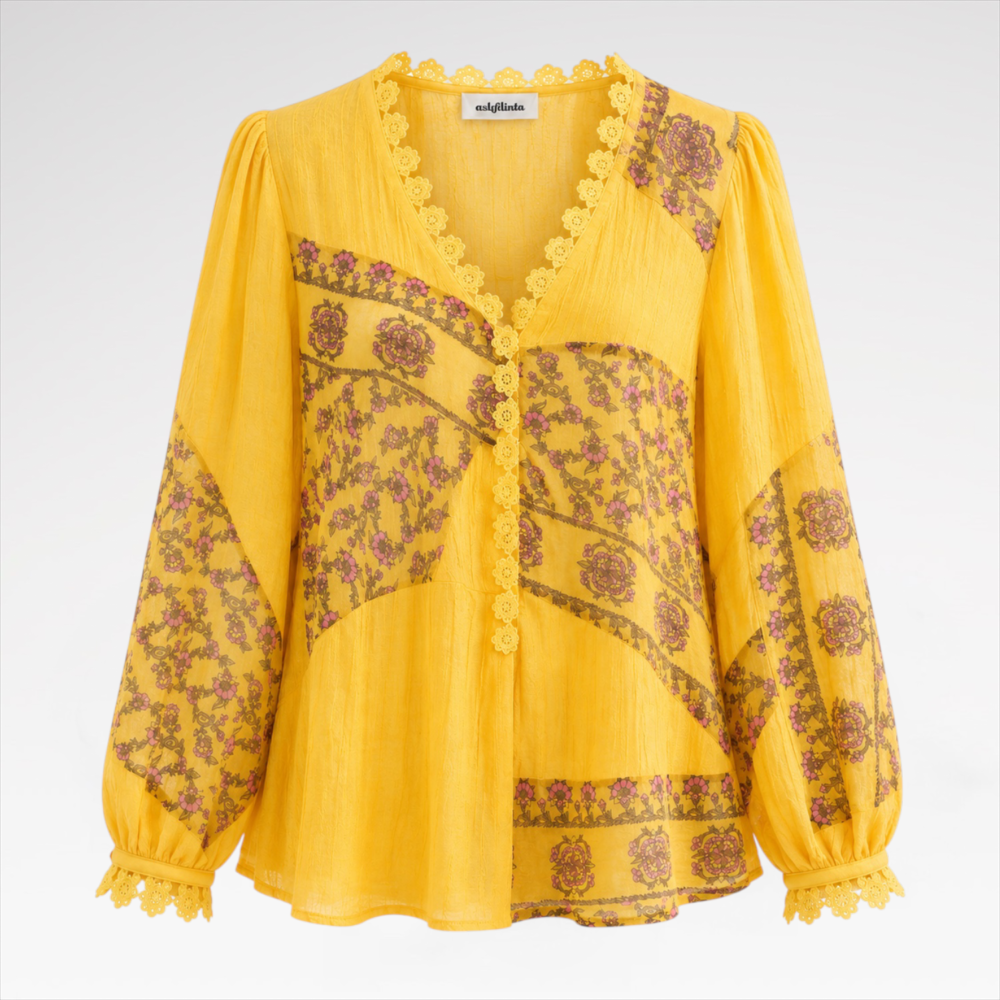
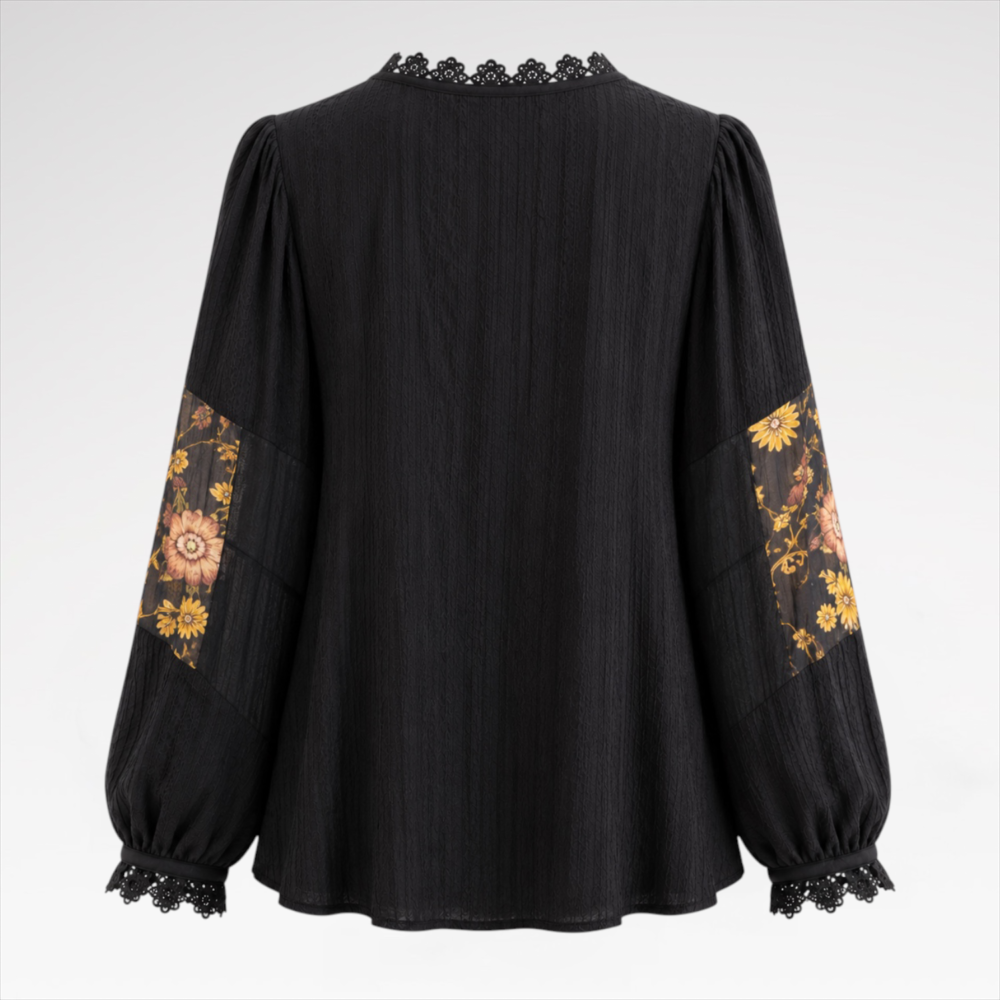
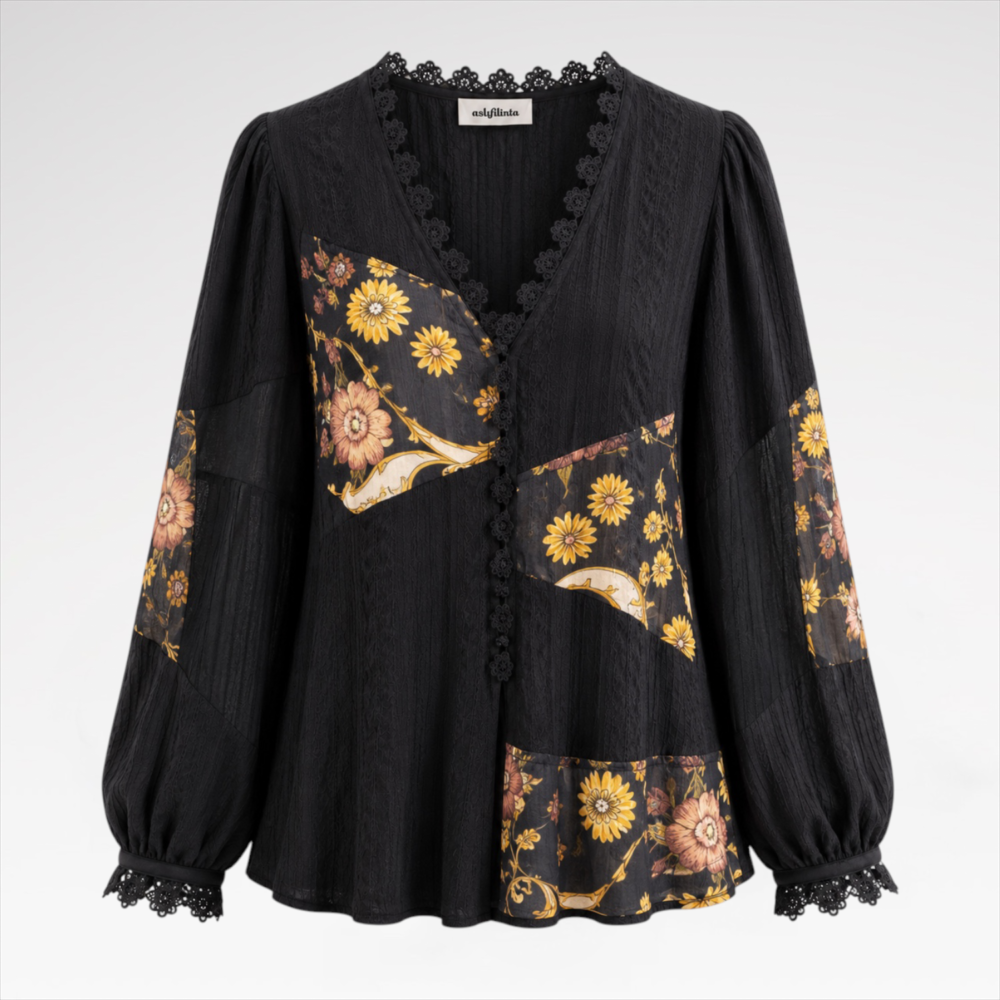
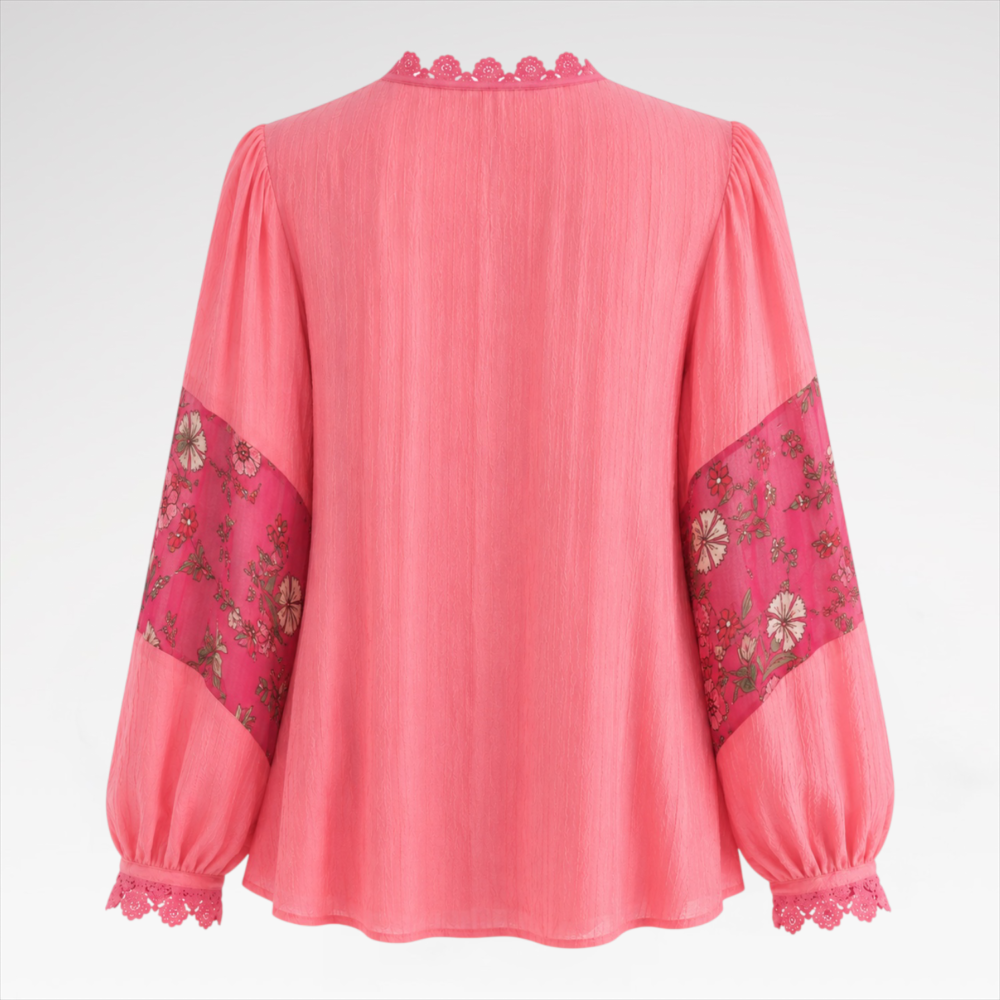
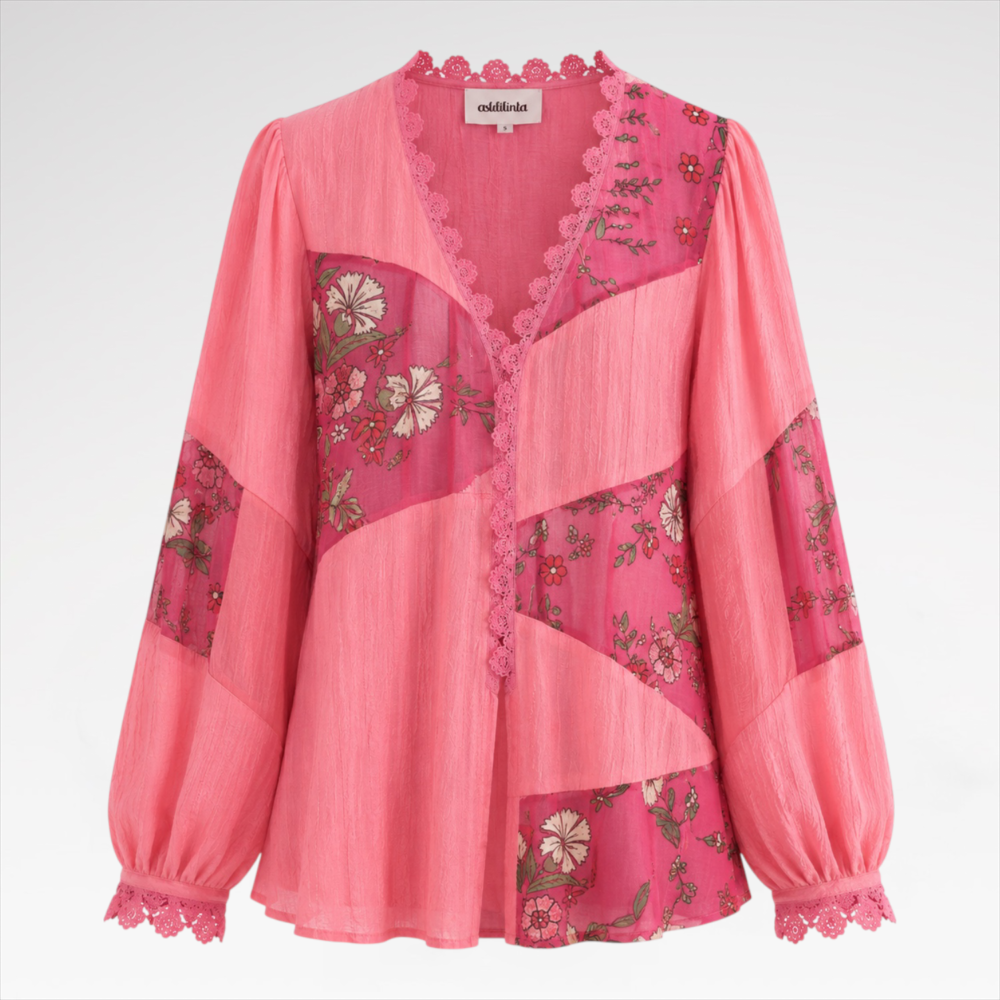
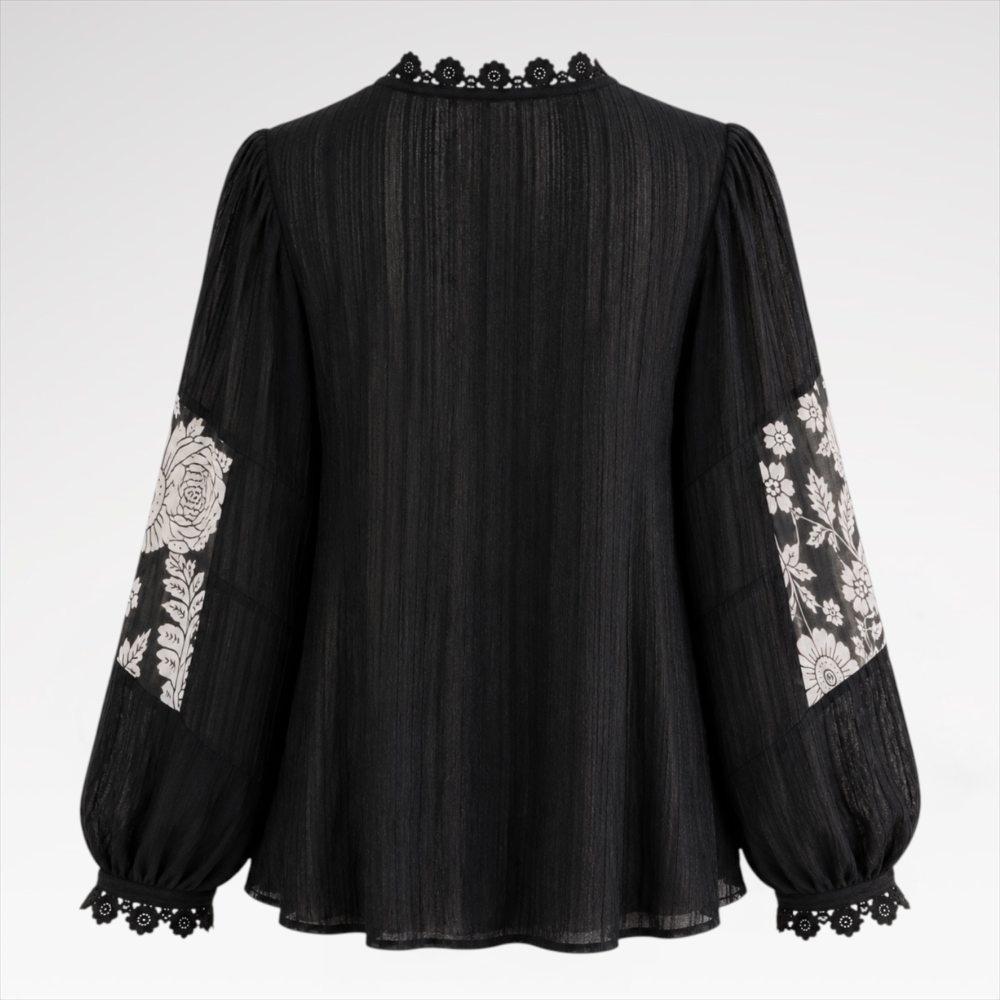
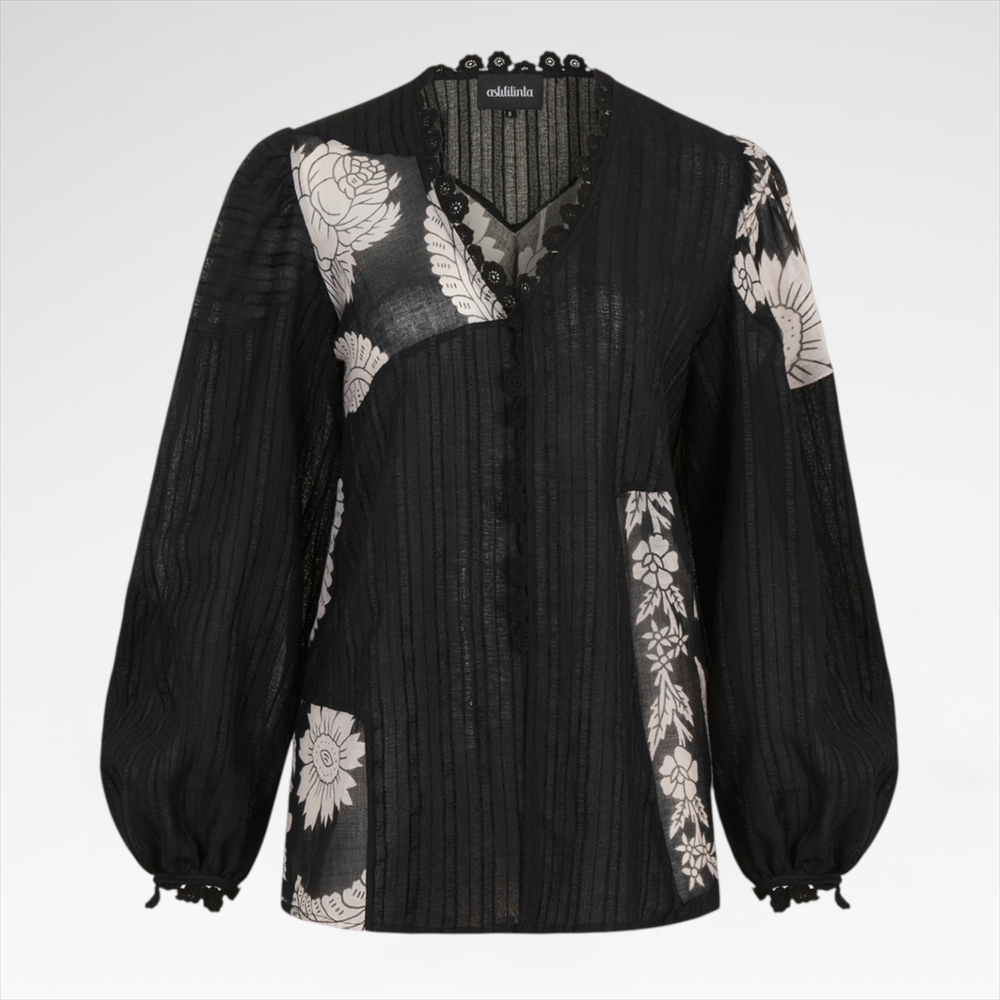
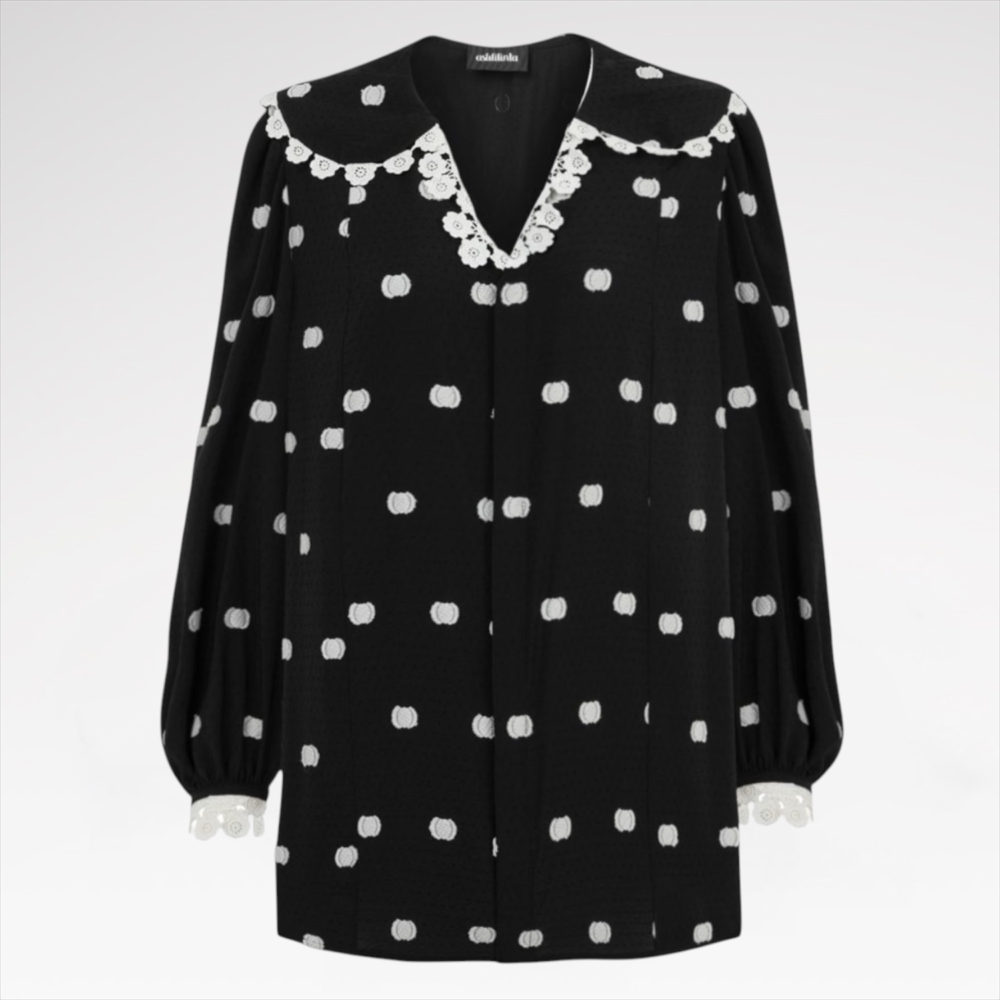
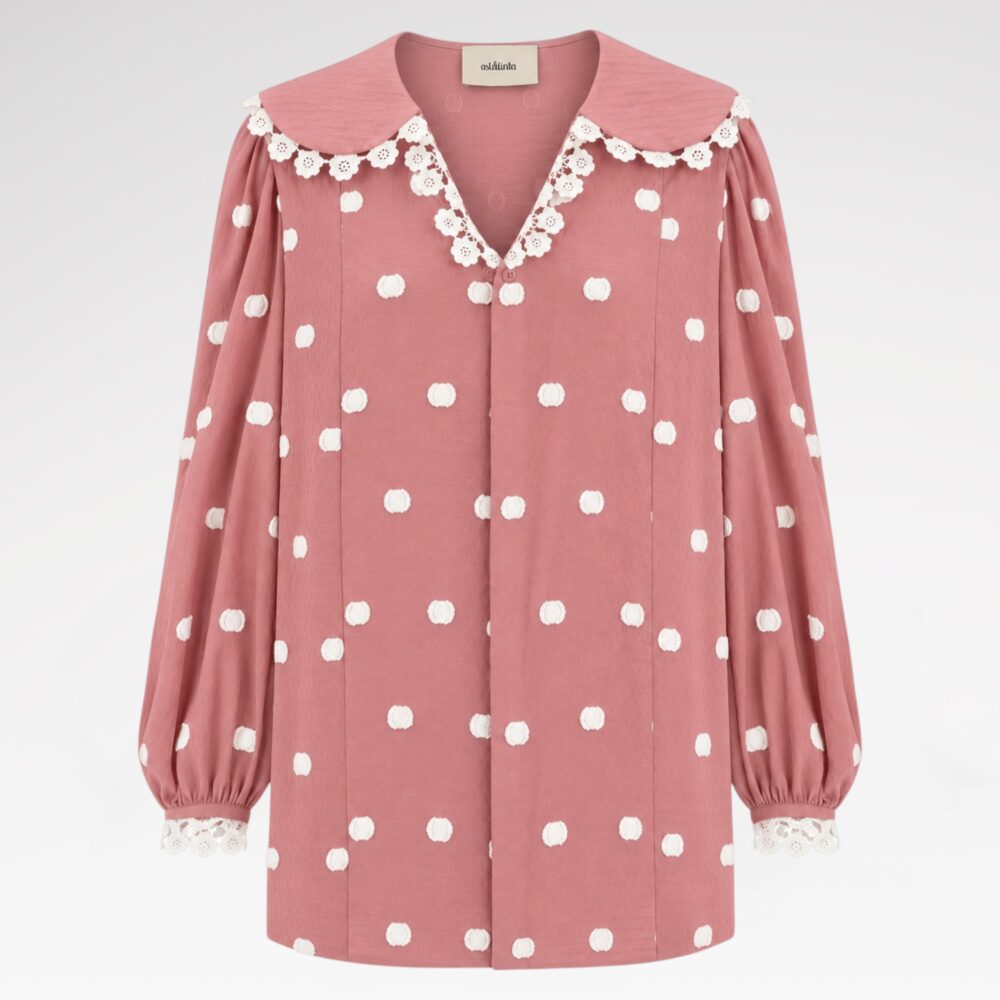
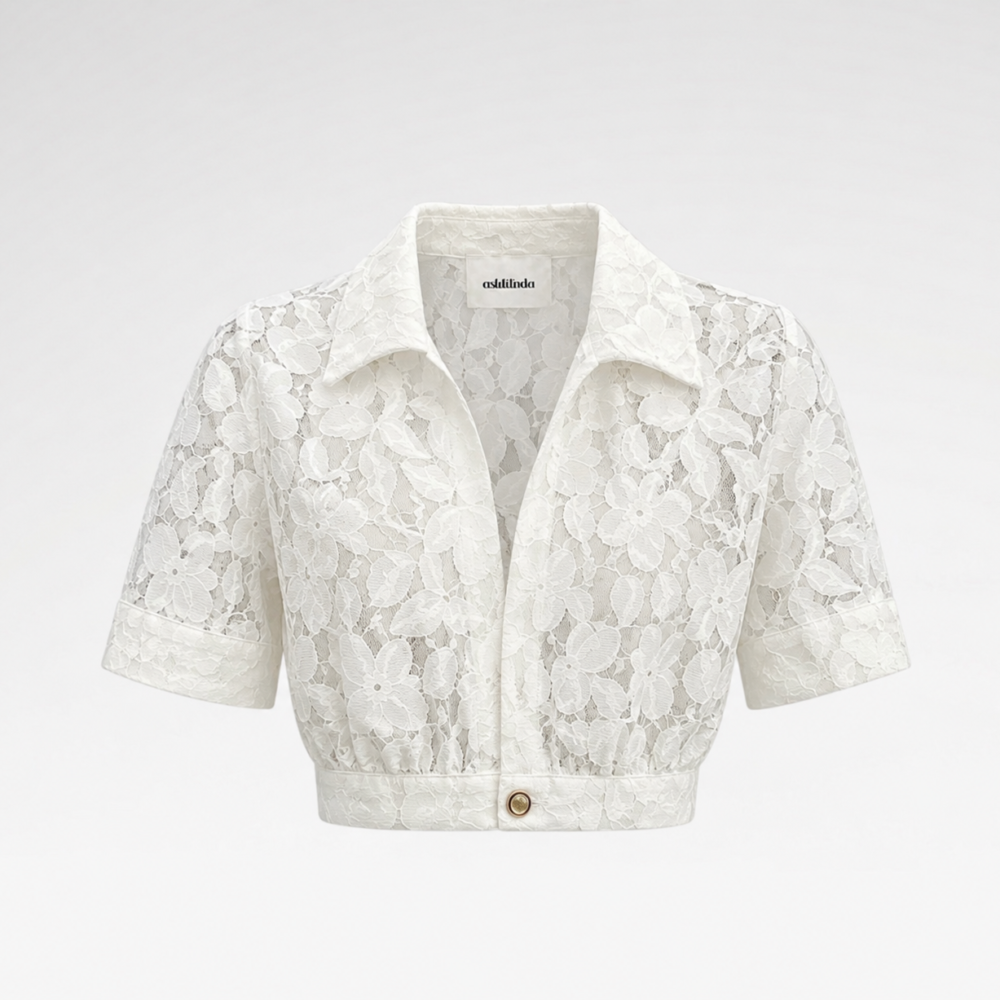
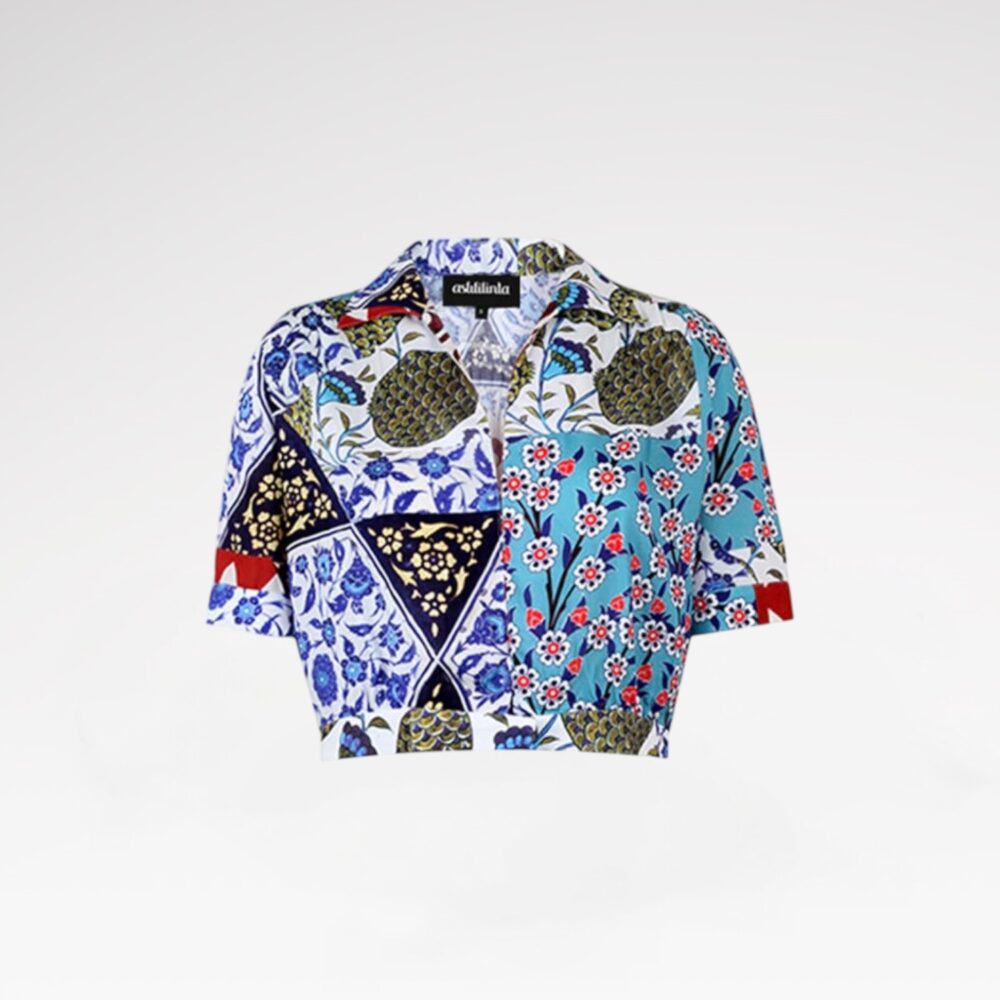
The trim on these shirts is made with a hooked needle, one loop at a time.
Crochet — tığ işi — is among the most widespread handicrafts in Anatolia. It was never studio work: women made it at home, between other tasks, edging scarves, collars, pillowcases and the linens that went into a dowry. The patterns were not written down. They passed from hand to hand, and each region developed its own.
Here the technique is kept where it has always been — on the edge. Collars, cuffs and hems are worked by hand after the shirt is sewn, which means the needlework follows the actual garment rather than a pattern sheet. Two shirts cut from the same cloth will not carry the same edge.
The work is done by women the brand has produced with since 2018, when Aslı Filinta began building production around local women's cooperatives rather than around factories. The trim takes longer than the shirt does.
The trim on these shirts is made with a hooked needle, one loop at a time.
Crochet — tığ işi — is among the most widespread handicrafts in Anatolia. It was never studio work: women made it at home, between other tasks, edging scarves, collars, pillowcases and the linens that went into a dowry. The patterns were not written down. They passed from hand to hand, and each region developed its own.
Here the technique is kept where it has always been — on the edge. Collars, cuffs and hems are worked by hand after the shirt is sewn, which means the needlework follows the actual garment rather than a pattern sheet. Two shirts cut from the same cloth will not carry the same edge.
The work is done by women the brand has produced with since 2018, when Aslı Filinta began building production around local women’s cooperatives rather than around factories. The trim takes longer than the shirt does.